Pharmacists in Emergency Rooms Reduce Medication Errors

Pharmacists in Emergency RoomsMedication errors can happen in all clinical settings. However, the busy environment and fast-paced care offered in the emergency room (ER) in hospitals enhance the probability of errors. No matter how trained and experienced the emergency room physicians may be, they can likely make mistakes resulting in serious injuries that may complicate an existing medical condition or lead to death. Prescription errors account for nearly 7,000 deaths per year in the ER. In most cases, medication errors happen due to poor physician handwriting, doubt over drug names and measurements, and poor packaging designs. With an objective to find a feasible solution for this rising problem, ER physicians are requesting a pharmacist to be present in the room so that they can help to review each medication given and ensure correct dosage.

A new study reports that the Children’s Hospital in Dallas has put in ten pharmacists on staff role in the emergency department who review each medication and ensure that it’s the right one prescribed in the correct dosage. The primary aim of this new initiative is to lessen the risks of adverse events and to reduce costs. Often, the emergency room is a high risk area wherein several medications (different doses) are given to the patients instantaneously. Hence, having a pharmacist to review those medications before they are given to patients ensures additional safety.

The report signifies that this extra review done by pharmacists is crucial for a children’s hospital as they are more on prescription drugs and three times more likely to suffer from drug errors than adults. As part of this new initiative, the pharmacists check about 20,000 prescriptions during any week, and review the child’s weight, allergies, medications and health insurance.

The move on the part of the Children’s Hospital in Dallas has encouraged many other hospitals to appoint a pharmacist in their emergency departments. Moreover, the services of trained and experienced medical transcriptionists are also sought for accurate documentation of medical details.

In addition, automatic spell checkers are integrated into electronic medical records (EMR) systems to prevent errors. As per a study published in the “Annals of Emergency Medicine”, even with an EMR system nearly 25 percent of children’s prescriptions had errors, as did 10 percent of adults. Having a pharmacist in an emergency room is certainly a good option to eliminate prescription drug errors; but it may not be cost-effective for those hospitals having smaller ER. However, experts in this field say that this option helps to reduce long term costs thereby preventing future hospital admissions for prescription errors.

Medical Transcription Services Market Poised for Soaring Growth

Medical Transcription Services MarketAccording to the Transparency Market Research study, the global medical transcription services market expects a soaring growth from 2013 to 2019 at a Compound Annual Growth Rate (CAGR) of 5.6%. The study says the market valued at USD 41.4 million in 2012 will reach an estimated value of USD 60.6 million in 2019. The medical transcription (MT) industry is facing intense transformation owing to a number of factors including the infrastructural initiatives taken by various governments, electronic health record (EHR) implementation in developed nations, automation of healthcare operations and increasing concerns for providing better, safe and quick healthcare services to the patients; and the net result turns out to be the growing demand for accurate documentation.

The global MT landscape is segmented on the basis of service types and how such kinds of services are procured. If we consider service type, MT services are categorized into History and Physical Report (H&P), Discharge Summary (DS), Operative Note or Report (OP), Consultation Report (CONSULTS) and other reports depending upon the specialty including pathology report, radiology report (x rays or radiographs) market. Here are the key findings of the study based on these categories.

  • The market share for consultation report is found to be the largest amongst all reports. It is because these reports need to be prepared repeatedly for patients under treatment when they visit the specialist each time. It is estimated that the global market for consultation report will reach USD 21.1 million with the market growing at a CAGR of 3.3% from 2013 to 2019.
  • The global market share for H&P report has also increased as they are now made for both inpatients and outpatients to reduce reimbursement issues, instead of focusing on only hospitalized patients and patients undergoing treatment that involves many visits to specific clinics or hospitals.

Based on the modes of procuring MT services, the global market can be classified into two main categories, domestic outsourcing and off-shoring. The more preferred mode is found to be outsourcing the transcription job to a domestic third party organization. The market share for this mode of service procurement was 62.2% in 2012. However, large internationally operating healthcare organizations opt for both modes of service procurement due to the following reasons.

  • Ease of operations
  • Rapid turnaround times
  • Easy to allocate monetary resources according to the nature of reports

Asian countries including India and the Philippines capture most of the off-shored business as they get the support of government incentives and subsidies to set up new businesses as well as expand existing business units. The United Arab Emirates (UAE) and Latin America are other emerging markets in the world followed by Qatar.

North America dominates the MT service market and is expected to continue its reign in the future. The market was valued at USD 18 million and is estimated to grow at a CAGR of more than 5% from 2013 to 2019. The most important factors that impel significant growth in the North American market include aging population and the impact of the Patient Protection and Affordable Healthcare Act, 2013.

Though the research predicts massive gains for the MT industry, proliferation of technologies including speech recognition and Google Glass are really challenging for the practice of transcribing text from the dictation recorded using audio recorders. However, the strict HIPAA compliance rules and demand for accurate clinical documentation pave way for a comprehensive approach involving trained medical transcriptionists and the latest technologies.

ADHD Medication Use Rise among Adults, Especially Women

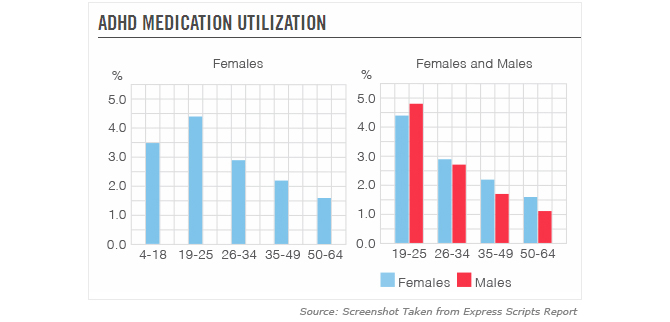
Attention Deficit Hyperactivity Disorder (ADHD) is a psychiatric disorder of the neurodevelopmental type that develops in childhood and often continues into adulthood, making it difficult to get organized, stay focused, make realistic plans and think before acting. As per the CDC (Centers for Disease Control and Prevention), it affects a large number of children and adults in the U.S. and has become a serious public health concern. A recent research conducted by Express Scripts (a company that provides prescriptions to insurance carriers), involving the in-depth analysis of the most current trends in medication use for ADHD treating reveals that the number of Americans who took ADHD medications rose up to 36% (more than 4.8 million privately insured people) in 2012 during the five year study period (2008-2012). The study also found a rapid increase (85%) in medication use among women ages 26 to 34 than men, as opposed to the childhood trends where only half the number of girls took medications compared to boys.

The study examined the pharmacy claims of more than 400,000 individuals that filled at least one prescription for ADHD medication during the five year period and here are the major findings.

  • The number of adults on ADHD medication has been increasing at a faster pace with 53.4% in 2012, up from 18.9% in 2008.
  • While the number of males using ADHD medication plummeted after age 18, the medication use among women ages 19 to 25 was higher than that of girls ages 4 to 18.

ADHD Medication

  • The highest concentration of medication use was found in the South, with South Carolina having the highest prevalence of medication use (5.0% overall) and the lowest rates were found in the Western region of the U.S.
  • There is a higher rate of antipsychotic treatments among patients using ADHD medications compared to non-ADHD medication users. Even so, those high numbers have actually declined since 2009 among all age groups.
  • ADHD medication spending increased up to 14.2% in 2012, which is the largest increase seen in any traditional drug category. It is expected that the spending will increase by about 25% by 2015.

The study suggests the following reasons for the dramatic shift of increased medication use among women compared to their childhood days.

  • As women tend to present inattentive type of ADHD and do not display disruptive behavior in school, their symptoms are often overlooked in childhood. As they grow old, they become more aware of their symptoms and go to see a physician.
  • Less appropriate uses of medication may also be considered as a reason behind the increase in medication use among women. Stimulant medications are known to reduce appetite and are sometimes used as a weight-loss aid.
  • Certain women turn towards ADHD medications to keep up with the multiple demands on their time.

The study highlights the fact that more young women are being diagnosed with ADHD; the effectiveness of medications is still in question. First of all, there are few studies on how ADHD medication treatment affects adults. Though the stimulants prescribed for ADHD are generally safe for majority of patients, they have an addictive nature and may have several safety concerns (for example, increase in blood pressure, heart rate). They can be dangerous for patients having heart problems and may result in serious interactions with other medications and conditions including bipolar disorder. So physicians are required to encourage their patients for routine visits and fully evaluate the entire psychosocial landscape of a patient before prescribing medications. Family practice physicians can maintain accurate transcripts of their patients’ medical reports so that they can have a clear understanding of each patient’s condition and requirements.

Based on the reports, they can refer the patients to a psychiatrist or a neurologist as appropriate, who can prescribe medications suitably if necessary.

Childhood Obesity Programs Reduce Blood Pressure

Child Obesity PreventionA new study reports that obesity prevention programs may help to lower blood pressure in kids (even if they don’t reduce fat). The study conducted by researchers at the University of Buffalo and Johns Hopkins University showed that these programs displayed positive signs of lowering fat and reducing blood pressure levels in children.

Earlier, hypertension was viewed as a serious condition affecting mainly the elder or middle-aged population. However, new reports prove that children can also develop this condition. In fact, the American Heart Association recommends that children must undergo early and routine medical checkups as this will help in early detection of this disease. If the pediatricians maintain medical record transcripts detailing the BMI (body mass index) of their patients, they can study the development of childhood obesity and provide necessary advice to prevent it.

Researchers found that in the United States, about 3.5 percent of children and adolescents suffer from hypertension and another 3.5 percent are at high risk (on account of slightly elevated BP). Moreover, this condition was found more common in obese children.

As part of the study, data from 23 studies of obesity interventions was analyzed (including 19,000 kids in total). The interventions were largely based on physical activity, targeted diet or both and continued for about 6 months to 1 year for school based programs. A close comparison of children who received a specific intervention was made with those who did not receive the same. The major findings of the survey are as follows –

  • About four of the interventions showed a positive result on both blood pressure and body fat
  • About eleven reported an effect only on the BP level and not for body fat
  • Obesity reduction programs helped to reduce BP in children by an average of 1.64 millimeters of mercury (mm Hg) in systolic BP and 1.44 mm Hg in diastolic BP
  • Moreover, reduction was more witnessed in those studies that followed a combined approach (that included both diet and physical activity interventions)

The study signifies that pediatric obesity may increase the blood pressure rates. Recently, the American Medical Association declared that people who are overweight can develop several disorders such as cardiovascular disease, hypertension and metabolic symptoms.

In the US, measuring BP has become an important component of children’s medical care. Researchers claim that deciding a normal and high BP rate in children is often a complicated task. The assessments in children are generally based on how their blood pressure compares to other children of their age, height and gender.

Unhealthy lifestyle, wrong eating habits and less physical activity are some of the main reasons for obesity in kids. Family practice physicians play a prominent role in preventing and reducing the same. They can educate the parents about the potential risks of this disease and recommend practical steps to deal with weight management problems. Parents should focus on making gradual changes in their family’s physical activity and eating habits.

Research Reveals Children Living on Farms Have Low Allergy Prevalence Rates

Allergic SensitizationSeveral studies have revealed that the prevalence of allergies is low in children who live in farms. In a study published in the official journal of American Academy of Allergy, Asthma & Immunology (AAAAI), the researchers had compared the prevalence of allergic sensitization in a population of Amish children in the age group of 6 to 12 years with both children living on Swiss farms and non-farm children. The results showed a very low prevalence of allergic sensitization in Amish children who reside in northern Indiana where most people follow an agrarian lifestyle. Research in an alpine area of Austria also found differences (18.8% vs 32.7%) in atopic sensitization in farm and non-farm children.

According to the author of the study, the early exposure to dirty environments and a variety of dust and germs in farm life may be the reason why farm children have lower rates of allergic reactions. Children who live on farms work with animals, are in the barn, and drink raw milk (though author does not recommend the intake of raw milk as it contains many dangerous bacteria). Other studies have also revealed the protective effect of rural life. As per a study on three Chinese cities, the prevalence of atopy in the children who live in the Westernized city of Hong Kong was twice that of children in Beijing. The prevalence of wheezing in the children who reside in Hong Kong was also very high. The protective factors noted by this study noted are exposure to cotton quilts, raw fruits and vegetables. However, the researchers do not know exactly how rural living helps in improving the immune system.

Data released by the Centers for Disease Control (CDC) in 2013 revealed that allergies caused by food or the environment have risen sharply in U.S. children in recent years. Food allergies among the children age 18 was found to have increased from 3.4 percent in 1997 to 5.1 percent in 2011 whereas skin allergies in the same group of children increased from 7.4 percent to 12.5 percent during the same period. The major finding of CDC data is that the children from more affluent families had higher prevalence of allergies. In this case too, CDC statisticians could not explain how affluence is related to allergies in children.

Research studies such as these have a great significance in allergy prevention and treatment in children. Recent research is focused on identifying the reasons for food allergy such as peanut allergy in children and adults and how to prevent it. As allergy doctors deal with the rising cases of food and environment related allergies, their documentation needs via EMR or regular transcription would also increase significantly.

Addressing Medical Transcription Mistakes caused by Content Errors

Medical Transcription MistakesQuality is the most important concern in medical transcription. High error rates put patient safety at risk. Moreover, physicians would have to spend a lot of time and money to correct errors. In some cases, there are chances of transcription errors, while in others, they could be attributable to the author, that is, the healthcare provider. In a professional medical transcription company, the focus is always on improving physician documentation using better tools and techniques. The American Health Information Management Association (AHIMA), the Association for Healthcare Documentation Integrity (AHDI) and the Medical Transcription Industry Association (MTIA) have laid down the following guidelines to address medical transcription errors attributable to content errors.

  • Regular, practical feedback such as references cited and supplementary resources is provided whenever possible. Extracts of the transcribed version and the modified version with adequate surrounding context is included in the feedback. For proper understanding of corrected information, the sound file is also recommended. Special care is taken to see that the feedback is received and acknowledged.
  • New medical transcriptionsts (MTs) who are unfamiliar with the job could be assigned mentors to help them to reach the expected levels.
  • Sample reports should be distributed among difficult authors. Templates are provided if necessary.
  • Policies and strategies for disciplinary action are developed to ensure that MTs meet quality expectations.
  • Transcribers are assigned according to their knowledge in each specialty. A transcriber who has done chiropractic transcriptions may be able to handle physicial therapy transcription or orthopedic transcriptions. While asking them to do Neurological or cardiothoracic might have a longer learning curve.

Errors could be critical and non-critical. Errors which affect patient safety, care, or treatment can be put under critical errors and mostly involve the use of incorrect terminology, insertion of non-dictated information, omission of dictated information, or incorrect patient identification. Errors which affect the integrity of the documentation but do not alter the dictation meaning or affecting patient care or safety could be put under non-critical errors. Top medical transcription companies have multiple quality checks in place to ensure 99% accuracy in documentation.

Medical Transcription Increasingly Becoming a Home Based Job

With exciting advancements in the technology arena, the nature of work itself is changing for knowledge workers. New technologies such as telepresence are making telecommuting more feasible. Technology has impacted medical transcription just as it has other industries. Today’s medical transcriptionist represents a growing section of the U.S. workforce typified by a technology-enabled, knowledge worker employed from home. Medical transcription is becoming increasingly popular as a work-from-home profession. In fact, a fair number of medical transcription jobs are telecommuting positions obtained through an independent contractor arrangement. The convenience of working at home and flexible working hours make the job highly appealing for workers moving to home-based transcription.

Many medical transcriptionists (MTs) choose to be independent contractors or subcontractors, thereby performing the work from home, others work in doctors’ offices, hospitals, medical transcription businesses and rehabilitation centers. The clinician or medical facility supplies the dictation and the independent contractor transcribes the material, working conveniently from home.

An article in Forbes.com refers to the finding of Telework Research Network that one in five Americans work from home. Medical transcriptionists are always in high demand because many physicians are used to dictating their notes and would like to continue doing so. This will in turn naturally increase the demand for transcriptionists.

Crowdsourcing is yet another reason for the increase in home-based transcription jobs. Crowdsourcing has created a wider base of transcriptionists, where they are easily trained at home via online courses and thereby perform the work on a more cost-effective basis.

More and more transcription companies are also allowing their experienced MTs to work from home. Latest technologies such as Cisco Telepresence and Skype make it possible for employers to stay connected with their employees and access them anywhere in the world. With these advancements, location is no longer a barrier for successful completion of a job. With independent contractors, companies save on overhead operating costs as well as taxes.

Electronic medical records and speech-recognition software have changed the landscape of healthcare. Voice recognition software can automate and reduce the time required to transform medical dictation into medical transcription. Dragon Medical 360/ Network Edition 2.0 is the latest version of voice recognition software for medical professionals.

No matter how sophisticated the software, trained transcriptionists are still in demand especially in documenting complex information on procedures and medications that enter the market daily.

However, speech recognition technology has made the job easier for medical transcriptionists. Unlike in the traditional transcription method, they don’t have to type each and every word listening to the dictation. Now they just have to edit the documents, which is less time consuming. Dragon Medical 360 is offering up to 98 percent or higher accuracy out of the box, with no voice training needed. With this latest version, clinicians also experienced 20% fewer errors than the previous version.

The Other Side of the Coin

With all the advantages, individual home-based medical transcription may have its own disadvantages.

  • Security issues: Probably, the major problem with working from home is lack in health information security. The documents the physician or a contracting company provides for transcription may include discharge summaries, history and physical examination reports, operating room reports, consultation reports, autopsy reports, diagnostic imaging studies and referral letters. Secure file servers are crucial to stay compliant with HIPAA guidelines. HIPAA requires all patient information to be kept confidential unless a release is signed, so you will have to have a secure connection to prevent data theft. A reliable medical transcription company implements the best security systems and has always adopted elaborate security measures to ensure that patient information is not compromised in any manner. They also use “encryption” to send/receive medical records through e-mail. Encryption is a process that uses special encryption software to protect the medical records during transfer
  • Technical issues: Similar to any other technology-based job, medical transcription is also vulnerable to various technical issues such as server failures, breakdown in communications or software errors. Such technical difficulties cannot in many cases be corrected without assistance from a system admin or a technical support desk.
  • Missing the general trend in the industry: As individual home-based jobs lack oral communication at job between colleagues, chances are more to miss the current trends in the industry. To stay competitive, it is crucial to stay abreast with the updates in the field.
  • Backup action plans: To meet the turnaround time obligations, MTs should have a backup plan of the entire operations – such as a fully loaded second computer, a foot pedal, a headphone, a broadband connection and a power backup. All these increase the infrastructure cost, and home-based workers may find it quite challenging to implement all this.

Physicians and healthcare facilities can rely on medical transcription companies experienced in providing customized medical transcription service according to client requirements. The major advantage is that reputable firms will have a professional transcription team that is provided periodic training to stay updated with industry requirements. They will ensure that all data entrusted remains confidential by adhering to HIPAA norms. Healthcare providers also benefit from the service of a dedicated team assigned particularly to them to meet individual specialty and turnaround time requirements.

Experts Finds Reasons Why Breast Cancer Often Spread to the Lungs

Breast CancerBreast cancer is the number one diagnosed cancer and the number two cause of cancer-related deaths among women in North America. If detected early, traditional chemotherapy and radiation have a high success rate, but once the disease spreads beyond the breast, many conventional treatments fail. In particular, the lung is one of the most common and deadly sites of breast cancer metastasis and this has a significant impact on patient quality of life and survival. Breast cancer that is detected early can be treated successfully via chemotherapy and radiation. Breast cancer most commonly spreads to the bones, but can also spread to the liver, lungs, and brain. As the cancer progresses, it may affect any organ. It can also metastasize to the skin of the chest (near where the cancer started).

According to the American Cancer Society, the chance of a woman having invasive breast cancer during her life is about 1 in 8. The chance of dying from breast cancer is about 1 in 36. Right now there are more than 2.8 million breast cancer survivors in the United States.

The lung is one of the most common and deadly sites of breast cancer metastasis and this has a significant impact on the patient’s quality of life and survival. A new research report published by experts at Western University and the Lawson Health Research Institute helps to explain why breast cancer often spreads or metastasizes to the lung.

Previous work by this research team has found that a specific type of breast cancer cell, the breast cancer stem cell (CSC), is responsible for metastasis in animal models, particularly to the lung.

With the current study, researchers observed that breast cancer stem cells (CSC) have a particular propensity to migrate towards the lung and grow there. They also identified specific interactions between breast CSCs and lung-derived proteins that could be disrupted to reduce the metastatic behavior of breast cancer.

The American Cancer Society explains that even when the cancer has spread to a new area, it’s still named after the part of the body where it started. Breast cancer that has spread to the lungs is still breast cancer, not lung cancer, and is treated as metastatic breast cancer.

Recommended treatment options for the condition include surgery, radiation therapy, anti-estrogen treatment, chemotherapy, herceptin, and hormonal therapies, like tamoxifen or arimidex.

Cancer researchers engaged in studies such as the above would have to depend on oncology transcription provided for various relevant medical reports. Research transcripts containing the new insights gained into a particular aspect of the cancer is of great importance with regard to developing improved treatment options for breast cancer. Moreover, the results of cancer research studies will form the basis for future clinical studies that will help in early detection and successful treatment.

Can Google Glass Become a Game Changer for Surgeons?

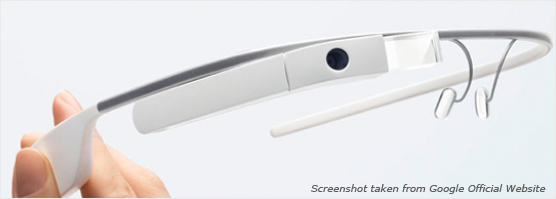
Google Glass, the wearable mobile technology from Google is creating an impact in healthcare space. The most recent development is that surgeons are experimenting with Glass to improve their efficiency. Can Google Glass become a game changer for surgeons? With a pair of eye glasses and a thumbnail-size transparent display above the right eye, and similar to a smartphone, can run applications and features camera and audio capabilities. Hands-free interactive data provided is ideal for surgeons who work in sterile environment and have to retrieve data quickly while performing surgery. The device can also be used hands-free to stream live feeds of the operation, and record and archive surgery which would also make the transcription of operative reports easier.

Google Glass

There are several reports on how Google Glass is being used in different surgical specialties such as orthopedic surgery, cardiothoracic surgery, emergency care, and more. In 2013, Dr. Pierre Theodore of the University of California, San Francisco (UCSF) was reported as the first surgeon to obtain permission from a local Institutional Review Board (an independent ethical review board designated to approve, monitor and review biomedical research that involves human subjects) for the use of Google Glass as an auxiliary surgical tool in the operating room. According to him, the key benefit of using Google Glass is that it makes information more accessible to surgeons, which helps in critical decision making. Earlier, surgeons needed to look at the TV screen mounted in the back of the operating room or check the office computer to see X-ray images. Glass provides them with these radiographic images right in front of their eyes. Here are some of the ways surgeons are making use of the device:

  • With this hands-free device, surgeons need not turn away from their patients during a procedure. Since it is possible to control the information displayed on the screen with voice commands and head movements, there would be no concerns about germs. The surgeon can enter into a conversation with their colleagues, specialists or students without desterilizing their hands
  • Google Glass allows surgeons to access vital sign readings, x-rays, imaging scans, operative checklists and help notes intraoperatively
  • Since the application can be controlled using action words such as ‘look up’, ‘find records’ and so on, there would be less confusion caused by a long string of words. This will reduce transcription errors substantially, which can be really helpful as, in surgery, there is no time to trace erroneous technology
  • Google Glass allows surgeons to verbally query an EHR (Electronic Health Record) system and put information into it. This will help them to pull up critical information from patient’s medical record to address a complexity during surgical procedure. For example, they can get information on which drugs the patient is allergic to in time to prevent a brain hemorrhage
  • Instead of point-to-point transmission between an in-house computer and the device, Glass relies on wireless Internet connectivity which is ideal for operating room setting
  • Glass allows surgeons to transmit real-time operation videos to their counterparts in other parts of the world

A study evaluating the clinical applicability of Google Glass in pediatric surgery reveals staffs, families and patients had responded positively to the use of Glass. However, though the study found a wide range of useful applications for Glass, it pointed our several drawbacks as well such as low-battery endurance, poor audio quality, long transmission latency with interruptions and cut-offs during videoconferencing. Although the device supports text-to-speech technology, these challenges hint that the services of transcriptionists are still important when it comes to documenting medical reports.

Privacy with Glass, particularly HIPAA compliance, is still in question. Since Glass is equipped with flash memory, users can store data on the hardware. Lack of password protection makes the device vulnerable to privacy issues. As the device is connected to the Internet, there is the risk of patient data and images being automatically uploaded to the cloud. So the surgeons need to scrub personal patient information from the images or data before use, which can be a tedious task. However, Google officials confirm that they are working on ‘lock solutions’ to determine the type of security measures that would work best for Glass to overcome privacy challenges.

Peanut Allergies on the Rise Among Children in the U.S.

Peanut AllergiesA study conducted by a group of New York researchers found that 1.4% of children in the U.S. had peanut allergy in 2010, up from 0.4% in 1997. The study also showed that the percentage of children with allergies to peanuts or tree nuts increased to 2.1% in 2008 from 0.6% in 1997, while it remained at 1.3% in case of adults. The researchers surveyed around 5,300 households and discovered more than three million Americans report to allergy to peanuts and tree nuts and that it was increasingly reported among children during the decade ending in 2010.

Allergy to peanuts can prove fatal and everything that the child eats needs to be closely monitored. The child’s first contact with peanuts can cause itchiness, swelling of the tongue and throat, constraint of the airway, an abrupt drop in blood pressure, rapid heart rate, fainting, nausea and vomiting. Even inhaling peanut dust can have a grave reaction.

The above-mentioned study emphasizes that better treatment and prevention strategies are needed to deal with the increasing incidence of peanut allergies. This seems to suggest that clean living and intake of more medications make the immune systems more prone to attack harmless proteins in foods, pollens and animal dander. The lead author of the study has also opined that the increase in peanut allergies can be related to the way peanuts are processed. Roasting peanuts in peanut butter will change the sugar and make the harmless protein more stable for digestion and increase its susceptibility to attack by the immune system.

A recent study conducted by a group of Cambridge based researchers revealed that oral immunotherapy is very effective for peanut allergies in children. The study found up to 91 percent of children aged 7 to 16 were able to safely ingest around five peanuts a day after six months of oral immunotherapy, far more than they could prior to the treatment. However, it has not been proved how long the protection will last without continued immunotherapy and further studies are needed before clinical application. Previous studies showed that early exposure of infants to peanut allergies could sensitize them and lead to serious allergy and pregnant and nursing women were advised to avoid taking peanuts. However a recent study published in JAMA Journal reported that highest consumption of peanuts or tree nuts or both by nonallergic mothers during pregnancy can lower the risk of the child developing a nut allergy.

With peanut allergies on rise, pediatricians and allergists have their hands full. In addition to providing quality care, they need manage their documentation tasks. In this context, allergy and immunology transcription services can be of great assistance, allowing these specialists to devote more time to treatment.

  • KEY FEATURES

    • 3 Levels of Quality Assurance
    • Accuracy Level of 99%
    • All Specialties Covered
    • Competitive Pricing
    • Digital Recorder Dictation
    • Electronic Signatures
    • Feeds for EHR or EPM
    • HIPAA Compliant Service
    • Quick Turnaround Time
    • Toll Free Phone Dictation
    • Transcription Management Software
    • Volume Rates Available
  • RECENT BLOGS

  • Categories

  • Quick Contact


    • Infographics