
What Should You Check When Hiring a Medical Transcriptionist?

Medical Transcriptionist

Medical transcription involves the creation of accurate transcripts from audio recordings of physician dictation. The transcription process is critical to maintain clear records of a patient’s medical history. These reports help the doctor review the patient’s condition as well as provide further treatment.

Medical transcription may be done in-house or outsourced to a third party. Outsourcing offers a number of advantages. The doctor can record his dictation on a digital recorder or into a dedicated toll number provided by the medical transcription company. This recording is converted by the medical transcriptionist into text format, and integrated into the electronic health record (EHR). When outsourcing, evaluating the qualifications of a medical transcriptionist is crucial for documentation accuracy, compliance and timeliness.

How Medical Transcription Works

Medical transcription is a process where trained professionals listen to audio recordings made by healthcare providers and convert them into written documents. These recordings typically include patient histories, medical reports, discharge summaries, and other healthcare-related information. The transcriptionist types out these details accurately, ensuring proper medical terminology, grammar, and formatting.

Specialists in speech-to-text for healthcare may work in hospitals, clinics, or remotely, and often use specialized software and tools to assist with transcription. In addition to transcribing, medical transcriptionists may also edit and proofread documents for clarity and correctness. Their work is essential for maintaining accurate patient records and supporting the healthcare system.

Here are some crucial factors to consider when hiring a medical transcription service provider:

  • The ability of the company to meet deadlines.
  • The security measures they have in place to protect patient data.
  • The qualifications, experience, and skill of the transcriptionists.
  • They should be fluent in English and well-versed in required documentation standards to deliver error-free, professional transcripts.
  • Use of advanced technologies that promote accuracy and fast turnaround time.
  • Workload fluctuations, like seasonal patient volume changes, can impact transcription turnaround times. It’s essential to ensure scalable transcription support to handle volume surges efficiently.
Medical Transcription

Advantages of Choosing a Reliable Transcription Vendor

Outsourcing medical transcription to a reliable service provider offers significant advantages over hiring in-house transcriptionists. It eliminates the need for recruitment, training, and maintaining full-time staff, thereby reducing operational costs. External services provide access to highly skilled professionals who are already equipped with the expertise and tools needed to provide voice-to-text services for doctors. Outsourcing transcription services can be more cost-effective than maintaining an in-house team. During periods of heavy workload, such as seasonal patient surges, transcriptionists can scale their efforts, providing the necessary expertise to manage increased demands without compromising turnaround time or accuracy. They also ensure HIPAA-compliant transcription services, ensuring patient data confidentiality and security.

Choose the Right Provider

There are many companies and individuals that provide medical dictation-to-text support. However, it is important to carefully choose reliable third-party transcription services. Errors in medical transcripts can prove fatal for patients. Many transcription companies provide free trials to help prospective clients evaluate their efficiency. During this free trial you should consider the following:

  • Infrastructure and technology used
  • Quality assurance
  • Turnaround time
  • Dedication to customer service
  • Measures to maintain confidentiality of patient health information (PHI)
  • EHR-integrated transcription company

Selecting the right medical transcriptionist is essential for maintaining the integrity and efficiency of your medical records. Reliable outsourced medical transcription support can provide access to skilled transcriptionists, ensuring seamless and high-quality documentation tailored to your specific requirements. Investing in the right expertise is a step toward improved patient care and more efficient operations.

Partner with us today for high-quality, secure, and timely transcription solutions tailored to your needs!

Contact us

Federal Prisons to Adopt Advanced EHR System

EHR SystemThe Bureau of Prisons (BOP) is planning to replace the basic electronic healthcare records of its inmates with a new electronic health record system. The main purpose behind the initiative is having an advanced system with capabilities such as clinical decision-making, mobility, infectious disease outbreak management, and compliance with user guidelines, set forward by the government and industry.

Since 2006, the federal prison system has a basic EHR — the Bureau Electronic Medical Record. It has been handling inmates’ medical, social, psychological history, prescription drug information, and other ongoing data. According to a recent report published in fcw.com, the new advanced system is also looking for improved capabilities such as acute and sub-acute care, allied health services, patient accounting and management, ambulatory care, and many more.

Specifications for BOP’s New Electronic Medical Record System

Apart from federal offenders, the BOP maintains around 245 primary care or internal medicine physicians, with an additional 165 physicians and 460 beds at seven advanced care facilities. To manage all these facilities and ensure proper flow of operations, it is essential to have a new electronic medical record system that can address the following requirements.

  • Advanced patient identification abilities, with facility to integrate the BOP’s own inmate identification system
  • Implement a hardware for ensuring security
  • It should contain an integrated system for :
    • Bed management
    • Dentistry management
    • Overall practice management
    • PACS
    • Radiology
    • Surgery management

Security — the Major Concern When Outsourcing

Security remains the prime concern while transferring the responsibility for creating and maintaining a medical record system to a vendor partner. According to RFI (Request for Information), the vendors offering medical transcription services should recognize the secure environment in which the solution will be deployed. Moreover, they should be checked for having a 128-bit encryption and an audit trail for record access and use.

The BOP’s Bureau Electronic Medical Records System (BEMR) can be accessed only by those persons who are authorized to review the information for official purposes. The system is password protected and all transmissions of data are encrypted using 128-bit SSL encryption. Information available in the records is safeguarded in accordance with bureau rules and policies. However, RFI didn’t mention anything regarding the portability of inmates’ health records. But they are interested to learn whether, commercial EHR systems are interoperable with existing third-party systems.

The RFI makes no mention of whether an inmate’s health record should be portable and can follow an inmate into the private or government healthcare system upon his or her release from custody. But the bureau is interested in learning from vendors whether their commercial EHR systems are interoperable with existing third-party systems.

Accurate Documentation Crucial When Treating Summer Allergies

Summer AllergiesIt’s summer season and both allergists and primary care physicians may be busy treating allergy symptoms caused by pollen, mold or insect stings. With allergy skin test, they can identify the exact allergen that causes the symptoms and decide on the treatment that controls the symptoms effectively. However, unless they are accurately documenting the allergic conditions and other details of each patient, the protective measures can bring adverse effects on patients rather than relief. Let’s see how accurate documentation is important for physicians treating summer allergies.

According to experts, symptoms of summer allergies can be easily mistaken for colds, food intolerances or other ailments. If the allergic conditions are not described correctly or the test results are documented wrongly, physicians may not be clear regarding whether the patient symptoms are related to summer allergy or some other cause. The need for accurate records is important when prescribing medications to the patients as well. The selection of appropriate medications and their dosage depends upon patient-specific clinical information including factors such as age, weight, allergies, diagnosis and laboratory values. If this kind of information is not sufficiently available or inaccurate, medication errors may happen which will result in poor patient care, loss of revenue or even lawsuits.

Allergy immunotherapy or allergy shots are considered as an effective option, if medications and other protective measures fail. Studies have shown that it helps cut down the total healthcare costs and prescription costs in children with allergic rhinitis or hay fever. Though this therapy is safe, the potential for an adverse reaction is always there. This therapy is not recommended for patients having medical conditions that reduce their ability to endure systemic allergic reactions (for example, chronic lung disease). This is also not recommended for patients who would have difficulty in reporting signs and symptoms of a systemic reaction (for example, children less than three or four years). Unless the history or consultation reports document this kind of information accurately, the physician may wrongly recommend this option and result in poor patient outcomes. It is required to assess patients during each injection to find out newly acquired risks that may not have been present at the beginning of the therapy, which should be documented as well for better care provision.

Electronic health records (EHRs) provide an easy and effective way to document all the information related to allergies and streamline physician workflow. However, a disadvantage is that there is more chance for making inadvertent errors such as missing information, wrong information and duplication while copy-pasting lots of information at a single stretch to save time. Moreover, the pre-defined templates limit the narrative description. Transcribing physician dictations with the help of transcriptionists and populating EHR fields with appropriate information through discrete readable transcription (DRT) technology is a more effective option.

Antipsychotic Medications Reduce the Rate of Violent Crime by Patients with Psychiatric Disorders, Suggests Study

Antipsychotic MedicationsAntipsychotic medications and mood stabilizing drugs are typically prescribed for patients with psychiatric disorders to ameliorate symptoms, decrease the potential for a relapse and avoid the need for hospitalization. Now, a group of researchers in the UK and Sweden have found that antipsychotic and mood stabilizing medications can reduce the rates of violent crimes by patients with psychiatric problems. According to them, people who administered antipsychotic medications such as clozapine or risperidone to treat psychiatric illness are nearly half as likely to commit a violent crime as compared to if they are not using such drugs.
The researchers studied the psychiatric diagnoses and any subsequent criminal convictions in more than 80,000 patients including 40,937 men and 41,710 women who were prescribed antipsychotic or mood stabilizing medication during the period 2006 to 2009. During the three-year period of the study, 2,657 (6.5%) men and 604 (1.4%) women were convicted for a violent crime. Compared to the periods when the participants did not have the medication, it was found the rate of violent crime fell by 45 per cent in people receiving antipsychotic medication, and by 24 per cent in people who were prescribed mood stabilizing drugs.

The major findings of this study are as follows:

  • There was a reduced rate of violent crime by men with bipolar disorder who took mood stabilizing drugs, though there were no such associations with mood stabilizing drugs in patients having schizophrenia and related disorders. So antipsychotics could have beneficial effects on violent crime outcomes.
  • Addition of antipsychotic medications to mood stabilizing drugs found to be more effective than using the latter drugs alone. But, addition of a mood stabilizing drug to an antipsychotic medication does not have any effect. But if there are concerns about the risk of violence in patients with bipolar disorder, addition of an antipsychotic medication can be considered.
  • Reductions in rates of violence are linked to the use of depot antipsychotic drugs and this association is as strong as for orally administered antipsychotic.

However, the researchers point out that their study has some limitations:

  • As it does not investigate how the associations are mediated, it is not possible to assert casual effects from the findings.
  • The study data is not enough to examine disease phase, which is important for future work.
  • Confounding by indication can occur between classes of psychotropic medications. For instance, changes from antipsychotic medications to mood stabilizing drugs and vice versa can occur according to clinical severity, individual response to treatment, and comorbidity.
  • Violent convictions are used as primary outcome for this study. Therefore, the study does not capture the violence that less often leads to arrest (for example, minor violence towards family members).

The researchers admit more clinical trials and experimental studies are needed to confirm their findings, though their research can help in decision-making on treatment options for patients with psychiatric disorders. Thus, this study paves the way for medical researchers to further explore the uses of antipsychotic medications.

According to the study, the potential effects of antipsychotic medications and mood stabilizing drugs should be taken into consideration while suggesting treatment options for patients with psychiatric disorders. This also underlines the importance of error-free and timely psychiatry transcription services to document clinical notes, consultation notes, psychiatric evaluations, referral letters and discharge summaries to help psychiatrists take proper decisions on treatment.

Second MERS Case Reported in Florida

MERSThe officials from the US Centers of Disease Control and Prevention and the Florida Department of Health have confirmed on May 12, 2014, the second imported case of Middle East Respiratory Syndrome (MERS) in the United States. The second U.S. incidence of Middle East Respiratory Syndrome (MERS) was reported in a hospital in Orlando, Florida.
In a statement released on May 12, 2014, the Director of CDC said the new reports were unwelcome but not unexpected. The first case of MERS was reported earlier this month in Indiana. The patient was an American healthcare provider who had been working in Saudi Arabia. As per state health officials, that patient was released from hospital into home isolation.

The second MERS patient reported is also a healthcare provider who lives and works in Saudi Arabia. The 44-year-old Florida patient was travelling from Saudi Arabia on May 1, 2014 to Orlando. The man began feeling unwell on the flight with symptoms including fever, chills and slight cough. On May 8, the patient visited Orlando’s Dr. P. Phillips Hospital and was admitted in the emergency department. According to hospital authorities, the man is in good condition and is continuing to improve.

Transcribing emergency room reports for infectious diseases is very crucial as it helps to maintain well-organized patient records that are absolutely vital for ensuring better quality care for patients in hospitals and medical emergency centers.

Middle East Respiratory Syndrome (MERS) is a member of the same family of viruses (corona viruses) responsible for the SARS (Severe Acute Respiratory Syndrome) and common cold which had infected around 8,000 people globally in the year 2003-2004. MERS was identified first in Saudi Arabia in the year 2012 and has been consequently observed throughout the Middle East but in Europe and Asia as well.

Since MERS virus identification in 2012, there have been more than 530 confirmed cases worldwide including 174 deaths (as per the reports of the WHO). One fifth of those cases were detected in healthcare providers. The main symptoms of MERS include fever, cough, gastrointestinal symptoms and respiratory distress along with development of pneumonia and kidney failure in certain cases. However, those persons who have died were more likely to have suffered from other chronic diseases such as diabetes and pre-existing kidney disease.

Greater surveillance and tracking of the virus is essential for identifying large number of cases. Besides, more number of milder cases of MERS is being identified now which in a way helps to reduce the high mortality rate. In most of the cases, the data collected confirm that patients detected with this infectious disease would usually have been in prolonged and close contact, as opposed to casual contact. In fact, more than 20 percent of the total cases reported included healthcare workers who were in close contact and proximity to the infected patients.

The bottom line is that no evidence implicating the origination of MERS virus is known. But, in a recently published study in mBio, researchers claim that they separated live MERS virus from two single-humped camels, known as dromedaries. Researchers spotted multiple substrains in the camel viruses, including one that perfectly matches a substrain found from a human patient.

Currently, CDC recommends frequent hand washing (for at least 20 seconds with soap and warm water or an alcohol based hand sanitizer) to control the spreading of MERS virus. Also, people are advised not to touch their eyes, nose or mouth with unwashed hands and to disinfect frequently touched surfaces.

FDA Nod for the Use of Omidria During Cataract Surgery

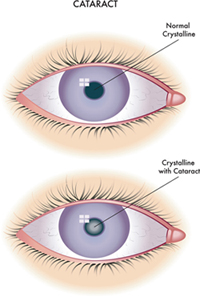
Cataract SurgeryIn May 2014, the U.S. Food and Drug Administration (FDA) approved the use of Omidria™ (phenylephrine and ketorolac injection) 1%/0.3%, a product from Omeros Corporation during cataract surgery or intraocular lens replacement (ILR) in order to maintain pupil size by preventing intraoperative miosis (pupil constriction) and to reduce postoperative pain. With this, Omidria became the only FDA-approved product for intraocular use which prevents intraoperative miosis and reduce postoperative pain. This will also improve the efficacy of cataract surgery, which is one of the most common and successful (98% success rate as per CDC 2013 data) surgeries performed in the U.S. Since Medicare covers cataract surgery, ophthalmic surgeons can receive appropriate medical reimbursement by submitting error-free medical claims. To ensure clean claims, they need to maintain accurately transcribed records of cataract procedures.

Omeros claims that Omidria has shown statistically significant and clinically meaningful improvement in preventing miosis and reducing postoperative pain relative to placebo during pivotal trials in which all patients received standard pupil-dilating and anesthetic agents before surgery. Certain healthcare experts also opine thet Omidria is an important advancement in cataract and lens replacement surgery. They gave the following reasons for that.

  • The occurrence of miosis and postoperative pain can make surgical procedures more difficult for surgeons and create an unpleasant postoperative experience for patients. The use of Omidria will allow ophthalmic surgeons to have better control of the operative experience while not changing their surgical routine. This will in turn improve the surgical outcomes.
  • With more restrictive regulations around compounding, ophthalmic surgeons are looking for a safe and effective FDA-approved product that can improve surgical outcomes by maintaining pupil dilation during lens replacement surgery and that quickly resolves postoperatively allowing faster recovery of vision. In this aspect, Omidria is a better solution.
  • The anti-inflammatory ketorolac in Omidria could reduce the requirement of preoperative NSAIDs.

Even so, some health experts point out the risks associated with Omidria such as systemic exposure of phenylephrine can cause elevations in blood pressure and adverse reactions. The most common reactions reported in clinical trials at two to 24 percent were eye irritation, anterior chamber inflammation, posterior capsule opacification and increased intraocular pressure. It is required to dilute Omidria before use; this product is not approved for use in children.

According to the 2013 Centers for Disease Control (CDC) data, 50% of Americans aged 80 years and older have cataracts and 20.5 million Americans aged 40 and older were affected by cataracts. A 2013 study shows there has been a significant increase in cataract surgery for the past 32 years among all age groups except those aged 90 and older. So, we can say that once Omidria is launched, the demand for cataract surgery will increase further due to the improved efficiency. Alongside, there would also be an increased demand among ophthalmologists for the transcription of operative reports.

The Chief Executive Officer of Omeros says that they are working on obtaining European approval for Omidria, securing Medicare pass-through reimbursement and the successful launch of Omridia in the U.S. later this year.

Infectious Diseases Still a Threat to U.S. Public Health

Infectious DiseasesA recent report published by the Centers for Disease Control and Prevention (CDC) reveals that infectious diseases (ID) still remain a threat to U.S. public health despite the control measures taken. Several measures were taken by the CDC as a part of infection control in healthcare facilities including prevention strategies for seasonal influenza, tuberculosis infection control program, safe use of single use medications and much more. However, the report says that these types of diseases continue to demand a substantial toll on both health care and health care resources.

Infectious illnesses are typically acute and unambiguous in nature and their onset in a healthy host can be abrupt and unmistakable. With the absence of therapy, acute diseases cause the host to either die quickly or recover spontaneously often with lifelong immunity to the infecting pathogen. Not only that, some kind of infectious illnesses are transmissible to others, but their transmission mechanisms are comparatively less understood. Due to these reasons, IDs pose substantial challenges to public health. The following priority areas are described in the report.

  • Endemic Diseases – Millions of Americans are diagnosed with endemic diseases including chronic hepatitis, HIV and other sexually transmitted infections, with racial and ethnic minorities disproportionately affected. If 75% of chronic hepatitis C virus cases and hepatitis C virus deaths occur in baby boomers, about half of the sexually transmitted infections occur in young people. Even though tuberculosis records are low, foreign-born individuals, minorities, drug users, and the homeless are disproportionately affected with an estimated 11 million cases of latent tuberculosis.
  • HealthCare-Associated Infections – It is estimated that one in five patients deal with healthcare-associated infections in hospitals which amounts to nearly 99,000 deaths (excluding the consequences of infections in non-hospital settings) and causes involve unsafe medical practices and contaminated products. If the rates of blood line infections, surgical site infections, and catheter-associated urinary tract infections lowered, the rates of clostridium difficile infections went up with gram-negative drug-resistant bacterial infections adding concerns.
  • Food borne Infections – It is estimated that around 48 million food borne infections lead to 128,000 hospital admissions and 3000 deaths every year. Though the rates of Escherichia coli 0157 illness declined, the rates of Salmonella illness still remains stable.
  • Vaccine-preventable Diseases – Even though substantial reduction has been made in the burden of vaccine-preventable diseases, several cases and outbreaks persist owing to many factors such as vaccine uptake for papillomavirus being slow, outbreaks linked to travel increasing and more. Parental decision against immunization plays a crucial role as well.
  • Emerging and Reemerging Diseases – If West Nile Virus is behind the majority of arboviral diseases in the United States, Lyme disease is the most common vector-borne disease. Sin Nombre Virus, Middle East Respiratory Syndrome (MERS) coronavirus, swine flu variants, Dengue fever, Chikungunya fever and Rocky Mountain Spotted fever are the notable pathogens. A recent report shows that Chikungunya virus is spreading in America at an alarming rate.

Antimicrobial resistance still remains a global health crisis which requires immediate action. However, CDC report says that in order to control infectious illnesses, major priority will be given to the integration of scientific and technological advances in molecular diagnostics and bioinformatics into public health. Better co-ordination between governments, health care experts, the industry and public are necessary to effectively reduce the burden of these diseases.

Primary care physicians also play a vital role in preventing infectious illnesses as they can treat the most common infections. It is their responsibility to refer the patient to an ID specialist if complicated or rare infections are present or suspected and work closely with them. The physicians should also transcribe the consultation reports of patients accurately so that the ID specialists can review the medical data correctly and determine the cause of the problem. With Obamacare, physicians will see more patients with ID symptoms as more people are getting insured. This will obviously increase the medical documentation and transcription needs in physician offices.

Decoding and Recording Facial Expressions

Facial ExpressionsCan the vast range of our facial expressions be recorded for the computer to understand? Well, researchers are trying for sure and they could be nearly there. A Ohio State University research team has apparently managed to teach computers to understand 21 various human emotions from corresponding facial expressions.
Experts have always sought to decode the mechanisms behind facial expressions that denote emotions, even back in the period of the early Babylonian civilization and Classical Greece. The Physiognomonics treatise, which some attribute to Aristotle and others to an author sometime in 300 BC, is a major work on physiognomy which is the attribution of a person’s character from his facial, and also his overall physical, appearance.

The World of Physiognomy

While this branch of ancient study was considered more an art or pseudoscience, it has seen more dedicated and scientific research in the 20th and 21st centuries with cognitive scientists now tracing facial expressions to chemicals, neural pathways – that cause the brain to go through emotion, and genes. However their studies have been restricted to only six primary emotions which are happiness, sadness, anger, fear, disgust and surprise since these facial expressions were thought to clearly indicate the respective emotions behind them.

Twenty-one Facial Expressions Recorded

The Ohio State University experts have, however, managed to document 21 emotions by blending various combinations of emotions. The corresponding facial expressions were then coded resulting in 21 emotions which the computer can now understand. Prof. Aleix Martinez led the research.

For the study, Dr. Martinez and his team had to photograph 230 volunteers of whom 100 were male and the rest female. They were told to provide the appropriate facial expressions for various verbal cues. The resultant 5000 photographs were tagged based on Paul Ekman’s FACS (Facial Action Coding System).

How Facial Action Coding System Helped

The FACS data enabled researchers to carry out cross-referencing of similarities as well as dissimilarities in expressions among the 230 individuals. Martinez and his team were able to record 21 emotions in total, many of which found similar expression in all the people. The expression that was similar in almost all the people was happiness. Around 99% of the individuals studied smiled by stretching their mouths to denote happiness.

According to Prof. Martinez, research such as this has massive therapeutic applications as this model could be used for treating conditions such as post-traumatic stress disorder (PTDS) and autism. PTSD is a really difficult disorder to treat. It can be reflect in an individual in different ways and Psychiatrists who treat these patients can have better ways of documenting. While working with patients with PTSD, billing of the services are difficult and studies such as this with proper documentation via good transcribed notes or psychiatric transcriptions is critical in managing the reimbursements.

Childhood TB is Preventable and Curable

Childhood TBAccording to the World Health Organization (WHO) childhood tuberculosis (TB) constitutes 6% to 10% of all TB cases in the world every year. It is also estimated that more than 74,000 children die due to this disease in each year. As per the statistics of the Center for Disease Control and Prevention (CDC), out of the 9,945 TB cases were reported in the U.S., 486 (4.9%) were pediatric. Childhood TB is preventable and curable if it is identified and treated appropriately.

CDC’s epidemiology statistics of childhood TB in the United States during 1993-2012 shows TB case rates slightly fell or stayed same for all pediatric age groups in 2012 while comparing with the rates in 2011, age less than 1 (1.5% from 1.8%), age 1-4 (1.3% from 1.7%), age 5-9 (0.5%), age 10-14 (0.5% from 0.7%). TB rates were slightly down for all U.S. born age group except those between 5 and 9 (0.4% from 0.3) and significantly higher for foreign age group comprising age less than 1 (22.4% from 5.6%) and age 5-9 (6.7% from 4.5%).

Though children can develop TB at any age, serious cases are most common among those between 1 and 4 years of age. Also, the children get sick with TB very quickly when infected with TB bacteria. It is possible to identify the risk of developing this infectious disease in children using simple methods and screening. CDC puts forward the following strategies to prevent and treat childhood TB:

  • Contact Tracing – A multidisciplinary TB team works to identify people infected with TB but show no clinical evidence, identifying BCG vaccination candidates, and detecting the source patient. Usually, adults pass tuberculosis on to the children rather than other children.
  • TB Screening – TB screening tests involve a tuberculin skin test and blood test. The American Academy of Pediatrics (AAP) recommends conducting an immediate tuberculin skin test on children only if:
    • They have been in contact with someone having active or suspected TB
    • They have immigrated from a TB endemic country
    • A clinical finding or a chest radiograph indicates TB
  • Preventive Therapy – BCG vaccine is usually given to infants and small children as part of preventive therapy if they are living in countries where TB is common. However, BCG is not generally recommended in the U.S. owing to the low risk of infection.

Once the child is diagnosed with TB using screening and contact tracing, physicians can either give advice or treatment or refer the child to a pediatrician. Pediatric TB experts provide services to treat TB in children and manage the condition in infants and young children. It is important that healthcare providers – nurses and physicians – understand how to properly administer and interpret the results of a TB skin test to ensure accurate documentation. This is crucial to improve the quality of care as well as reimbursement.

New Study – EHR Access Could Influence Care

EHRRecent healthcare reforms including the Affordable Care Act (ACA) and the American Recovery and Reinvestment Act (ARRA), has brought in several new effects in the exam room – especially the way in which physicians, patients and allied healthcare professionals interact.

The recent regulations from the ARRA particularly, federal incentive programs to healthcare providers for the “meaningful use” of electronic health records (EHRs) and penalties (for those failing to comply with the same) have generated widespread and strong responses from several practicing physicians. When compared to medical records maintained as paper charts, electronic medical recordscan be more easily accessed by physicians to evaluate a patient’s medical history. This system allows hospitals to store and retrieve comprehensive patient information to be used by healthcare providers or sometimes patients (during a patient hospitalization across settings). Additionally, these can also help hospitals monitor, improve and report data on healthcare quality and safety. The Centers for Medicare and Medicaid Services (CMS) calls EHRs, “the next step in continued progress of health care”.

A new study reports that access to EHR in acute care situations may influence the care given to that patient and in certain other cases, failure to review the same could negatively impact the medical management. The study was conducted by three neuroradiologists at Froedtert& the Medical College Froedtert Hospital and the key findings were reported in the May 2014 edition of Health Affairs.

As part of the study, 2,000 head CT scans that had been ordered by emergency department physicians were analyzed. For each exam, the neuroradiologists analyzed the key medical information generated by the emergency department physicians against the additional details retrieved by interpreting radiologists. The key findings of the study are mentioned below –

  • In several cases, the additional information in the EHR would have a considerable impact on the interpretations of the head CT scans.
  • For about 9% of cases, the neuroradiologists predicted that the interpretation would have “very likely been adversely effected (if the EMR data were not available).
  • For about 22% of cases, the additional clinical data found in the EHR was “possibly” having a major impact on the interpretation of the head CT scans.

The above study represents the role of EHRs in delivering quality patient care and physician professional satisfaction.

Even though electronic health records possess numerous benefits, actual implementation may involve certain problems. There are reports showing that with the use of this system physicians are not able to dedicate adequate care and attention to patients as they need to devote extra time in entering patient data in to this system. Moreover, the implementation of this system is significantly expensive and requires constant updating of software. Hence, as a possible solution many medical practices opt for EMR – medical transcription integration. This approach enables physicians to upload the dictation to medical transcription company’s server and these notes are directly entered into EMR by the skilled transcriptionists.

  • KEY FEATURES

    • 3 Levels of Quality Assurance
    • Accuracy Level of 99%
    • All Specialties Covered
    • Competitive Pricing
    • Digital Recorder Dictation
    • Electronic Signatures
    • Feeds for EHR or EPM
    • HIPAA Compliant Service
    • Quick Turnaround Time
    • Toll Free Phone Dictation
    • Transcription Management Software
    • Volume Rates Available
  • RECENT BLOGS

  • Categories

  • Quick Contact


    • Infographics