
Doctors Finding EHR Changeover Laborious and Inefficient

EHR-Data-EntryThe conversion of paper documents into Electronic Health Records (EHRs) or Electronic Medical Records (EMRs) picked up pace when the Affordable Care Act With EHR, wherever the patient goes, physicians can access the information they need to treat the patient. Though it is really helpful for data collection, many physicians find it a cumbersome task to enter data into the EHR. According to a study conducted by the RAND Corporation, a California research group, electronic conversion is a stress factor contributing to physician professional satisfaction. Doctors often enter data when the patient is sitting in front of them and this result in the patients not receiving the attention they expect. Dr. Daniel Heinemann, president of the South Dakota State Medical Association says that they have got complaints from patients about less eye contact during office visits as doctors turned away while typing on their keyboard. It seems that the relevance of medical transcription is increasing in this context. Let’s see how.

Difficulties Caused by EHR

  • Though it is possible to access patient healthcare information wherever they go using the EHR system implemented in each healthcare system they visit, none of the systems communicate with each other and this is really trying for doctors. There is also the problem of lack of portability when a patient with a doctor in one system requires help from another.
  • As per the South Dakota State Medical Association, the electronic systems hinder face-to-face conversation and doctors would need to spend more time for clerical work if they want to avoid this. Moreover, the accuracy of medical records is reduced due to template-generated notes. The entire clinical narrative cannot be captured using checkboxes or templates alone and the doctors lose a lot of time by clicking boxes. Since there is no third party to check the content (as the doctors themselves edit the observations), there is no scope for quality checks.
  • As it is time-consuming for doctors to fill out templates, the number of patients seen in a day gets reduced. If the physician tries to fit in more patients in his schedule, it will reduce the time spent with each patient which in turn will reduce the quality of care. It is estimated that if doctors who struggle with electronic records can see around 10 patients a day then others can see around 40 patients on the same day. Some experts say that most physicians who have implemented EHR system saw a drop of 10 to 20 percent in patient volume in the first month or two. If you have a clinic that is not efficient and set out to implement an EHR system, it may prove to be an unwise move. The clinic is already in bad condition; you end up spending a lot of money and may not be able to increase productivity quickly with HER.

Some experts recommend advanced dictation and speech recognition systems to solve these issues while some others recommend implementing new design for patient exam room so that it would place the doctor, patient and computer screen in a triangle and the doctor could see both the screen and the patient and type without losing eye contact.

How Medical Transcription and EHR Is a Better Combination

Combining EHR and transcription is better as it will improve the quality and ensure Medicare and Medicaid incentives. In this system, the physician dictates via phone or handheld devices, the digital voice files are securely captured, encrypted and stored on servers by the medical transcription company, clinical documents are transcribed from the recordings, quality checking is performed, documentation is integrated directly to the EHR so that it will available to clinician and HIM staff.

Dictation is a faster and easier clinical documentation option and if digital recorders are used, it will generate quality digital recordings which are easier for transcriptionists to transcribe. Moreover, this will shift the responsibility of clinical documentation from physicians to documentation specialists. In this way, physicians can reduce the time spent for entering data into EHR, see more patients in a day, and extend the time with patients so that it will improve productivity and quality care.

Medical transcription supports narrative-based open-ended dialogue rather than stumble upon restrictive questions with electronic templates. Clinical narrative is the first person view of a patient visit and is important when it comes to making a correct diagnosis and determining best treatment. Transcription provides a smooth and significant option enabling the capture of full patient story including medical history, allergies, current medical status and other relevant details.

In essence, the use of dictation and transcription with an EHR can ensure time efficiency, better quality care, enhanced security (as the documents are encrypted) and help generate more comprehensive medical records so that the probability of negative medical effects can be reduced a lot.

Study Shows that Information Technology Innovation will Create a Fall in Demand for Physicians by 4% to 9%

Information Technology Innovation PhysiciansClinical innovation, which is an essential element of health care reform, is expected to impact the demand for physicians in the upcoming years. One study pointed out that if health IT gets fully implemented in 30% of the physician offices, it could result in a fall in demand for physicians by 4% to 9%. The health IT applications responsible for reducing the role that physicians will play include interoperable electronic health records (EHRs), medical dictation and medical transcription software, patient web portals with secure messaging, clinical decision support, provider order entry, and mobile health apps.

According to the study, the widespread implementation of health IT is expected to lead to the following changes:

  • health IT applications will pass on the work load of the physician to midlevel practitioners
  • the workload of specialists will be transferred to primary care doctors, reducing physician demand from 6% to 12%
  • IT-enabled remote care and asynchronous care can reduce the overall care that a physician offers from 2% to 5% and 4% to 7% respectively

The impact would more than double if IT adoption extends to an average of 70% of U.S. ambulatory care delivery settings, say the experts who conducted the study. They point out that most of the projected reductions in demand will be the result of the IT-enhanced ability of patients to communicate with those caring for them.

E-Health Benefits

Increased physician efficiency: Though many studies show that the introduction of EHR has decreased physician productivity, it is expected that young tech savvy physicians will find ways to overcome this and use the system to enhance their efficiency.

Fewer number of office visits: With better communication between physicians and patients via eHealth will also reduce the number of unnecessary office visits could be tremendously reduced. The associated work load could be shared by non-physician clinicians and patients thus minimizing the required physician time.

Reduced area-based shortage of physicians: The provision of real-time “office-based care” by remote providers whose patients are not in the physician’s office would mean interactions between consumers and providers from different locations as well as at different points in time. These factors could reduce regional shortages of physicians.

Increased access to physicians: With telemedicine consults between patients in rural areas and big-city specialists increasing will result in increased access to doctors everywhere, in the face of the existing and expected future maldistribution of physicians across the nation.

Comprehensive Use of Health IT only by 2020

Though many healthcare practices have gone ahead with EHR implementation, it is predicted that the comprehensive use of health IT by even 30% of office-based doctors is at least five years away and that transformation could happen in a big way only by 2020. It is important that policymakers devise strategies to deal with the changes that health IT will have on providers and patients in the future.

Does Technology Innovation Impacts Transcription Business?

Does-Technology-Innovation-Impacts-Transcription-Business More and more innovative technologies are ruling the business world today. Jobs that require knowledge and skills are assisted by these new technologies. Both businesses and outsourcing companies are now witnessing a change in the way businesses function. Now employees can work from anywhere in the world maintaining constant communication with the clients as well as fellow workers.

Is There a Drawback?

Knowledge workers are facing a major challenge in the era of advancing technology. Workload is more now for the skilled workforce in the organization. According to the Great New Zealand Employment Survey 2013, conducted by Clarian HR in association with Massey University, over 63 per cent of respondents said that technology contributed to excess workload, and 53 per cent said that such overload hindered their on-job performance.

Outsourcing to reliable outsourcing companies with technically skilled workforce is a viable alternative for businesses. This will enable them to take advantage of these innovative technologies and enjoy superior outputs at a competitive rate. Crowdsourcing is making it possible for work to be done simultaneously by many people no matter where they are. Tasks including medical transcription, legal transcription and data entry are now outsourced through diverse locations through websites such as oDesk, Freelancer, and Elance.

The latest technologies utilized in various industries include – Telepresence robots such as Beam and Fellow Robots that with a screen mounted on a mobile platform move around the office and experience what is happening in a more human way. This helps you to be virtually in the office, though you are at home. Times LIVE recently reported that U.S. hospitals are using more and more telepresence robots to improve access to medical specialists especially in rural areas that experience a shortage of doctors.

Video conferencing technologies just as Mezzanine allow multiple location collaboration. This workspace also lets any person on a network bring their own device and share content and applications with any colleague, anywhere in the world, interactively.

Latest Technology in Medical Transcription

Along with Electronic Health Records (EHR) that provide physicians with the opportunity to fully construct their clinical notes by selecting the appropriate data right on their computers, innovative technologies are also changing the way transcription works.

Speech Recognition Technology: This technology including Front End Speech Recognition (FESR) and Back End Speech Recognition (BESR) can improve TAT. It generates the medical records by capturing the dictations directly from the physicians. To break down sounds into written language, the speech engine takes the digitized signal from the microphone and converts it from a time-based signal into a set of frequencies. The technology has the potential to enhance clinical documentation in multiple ways.

Major advantages include:

  • Faster turnaround of reports
  • Saves time to complete reports
  • Typing is not involved much as the first report is generated by software

However, there are certain disadvantages with this technology that makes the system not capable of replacing the traditional medical transcription system. This medical speech recognition is also prone to errors, since a professional transcriptionist is not verifying the dictation. The system:

  • Cannot identify words spoken in heavy accent
  • Will not have appropriate punctuation and grammar
  • Background noises will affect the accuracy
  • Homophones can create spelling errors

The increasing demand for documentation in the medical transcription industry cannot be fulfilled without such technologies. Reliable companies providing accurate medical transcription services will have trained and qualified transcriptionists familiar in editing reports accurately from the speech recognition software.

New Insights on Why Zolpidem Treatment Awaken Brain-Injured Patients

Zolpidem Treatment Awaken Brain-Injured PatientsMedical research is indispensable considering the need to find the cause of various diseases, the effectiveness of drugs, and the progress of patients put on new, innovative medications. Research in the medical field involves medical transcription, wherein various audio resources will have to be transcribed into electronic or paper documents.

A group of researchers from New York are studying why the sleep medication zolpidem wakes up some minimally conscious patients with a severe brain injury. Brain damage can cause the loss of a pathway comprising excitatory projections from the cortex to the striatum and results in the inhibition of the thalamus, which supports alertness and sleep along with the striatum. Earlier studies had shown the frontal coretex and the thalamus were highly active while receiving zolpidem and quite inactive on not taking the medication. Now, the researchers have come up with additional insights that a pool of recruitable and functional brain cells is activated during zolpidem treatment.

The study involved the observation of three patients suffering from severe brain injury — one had sustained head trauma due to a fall, another was oxygen deprived on drowning and the third one had multiple strokes from vasospasm after a subarachnoid hemorrhage. Even though all of them showed strong arousal responses to zolpidem, the researchers found that the three patients had similar patterns of brain activity as recorded by EEG, when they were on and off the drug in spite of having very different types of brain trauma. When the patients were not receiving zolpidem, there was a low-frequency rhythm for that pattern where it was more so in the front than in the back and on both sides. An increase in the average frequencies of brain waves was found while the patients were receiving the drug which correlated with the improved alertness in them.

The researchers evaluated the new paradoxical excitation against the initial arousal effect and found zolpidem being selective for a subtype of gamma-aminobutyric acid (GABA) receptors could obstruct the inhibitory inputs from the globus pallidus to the thalamus and allow the thalamus to excite the cortex, which help to restore the cognitive and motor functions. As per the researchers, the initial excitation is like catching a wave and when the cells get recruited, they are turned on and begin to function actually and then they awaken the brain even more. This process will continue until the zolpidem wears off. Since the drug acts at a very specific receptor subtype vary from person to person, further trials need to be carried out on a larger number of brain-injured patients to determine whether zolpidem, another drug or device, or some combination is the optimal method to target recruitable and functional brain cells for the reawakening effect.

According to the researchers, the new findings of paradoxical excitation can help explain the past success with treatments for severe brain injury such as central thalamic brain stimulation and amantadine. Thus, these types of researches can evaluate the effectiveness of current treatment procedures and provide better care for patients with brain damage. The conversations with the patients, their progress in treatments and the details of the findings need to be documented well in order to develop better treatments. Researchers in neurology and related aspects should make sure that they are using an experienced neurology transcription service. Importance in accuracy cannot be undermined as the finding and documentation is critical in improving patient care as we study the efficacy of drugs.

EHR Adoption on the Rise in Solo and Small Practices, Says Recent Study

EHR AdoptionHealthcare providers must adopt and successfully demonstrate meaningful use of a certified electronic health record (EHR) system by 2015 or pay a penalty. Studies and surveys are assessing the use and features of EHR systems in physician practices across the country. According to the annual report of SK&A, a healthcare information research firm that studies adoption rates for the government, EHR usage has risen by more than 10 percent in solo and small group practices. The study also found that and implementation is growing for all physicians.
The details of the SK&A report were discussed in an article on medscape.com. A telephone survey of more than 270,000 US medical sites indicated a 11.4% increase in EHR adoption and the figures rose from 42.3% to 53.7%. The adoption rate was 77.5% in offices with 26 or more physicians, which was just a 1.6% increase from the previous year. Overall, the adoption rate rose from 50.3% to 61% increase in 2013 compared to the previous year.

According to this report, the main reason for this progress in the EHR adoption rate in solo and small practices is the availability of more than 450 different solutions that can be adapted to the needs, size and budget of the practices.

Other findings on EHR adoption are as follows:

  • Highest adoption rates – (80.6%), internal medicine/pediatrics (75.8%), nephrology (70.5%), pathology (69.4%), and radiology (69.2%)
  • Top 5 states – Utah (71.6%), South Dakota (71.2%), Wyoming (71.0%), Iowa (70.8%), and North Dakota (69.2%)
  • EHR adoption with integrated health systems – 63.4% to 71.4%

The adoption rate differed among offices:

  • 3 to 5 practicing physicians – 69.6%
  • 11 to 25 practicing physicians – 78.1%
  • 1 exam room – 39.7%
  • 11-plus exam rooms – 74.8%
  • 101-plus average daily patients – 76.3%
  • 1 to 50 average daily patients – 57.5%

Another study, the results of which were published by the Centers for Disease Control and Prevention (CDC) are similar. According to this study

  • Use of any type of EHR system by office-based physicians rose from 18% in 2001 to 48% in 2009 and 78% in the 2013 estimates; 2009 is the year the HITECH Act authorized incentive payments to increase EHR adoption.
  • In 2013, up to 48% of office-based physicians reported having a system that met the criteria for a basic system; only 11% of office-based physicians fell under this category in 2006, the first year that information on basic systems is available.

As EHR adoption rates increase, the need for EHR-integrated documentation will also rise. Medical transcription companies have adapted to these new requirements by offering EHR interfacing to maximize physician productivity while ensuring Meaningful Use.

Obstructive Sleep Apnea (OSA) May Raise the Chances of Osteoporosis

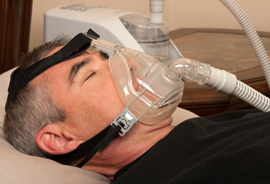
Obstructive Sleep ApneaObstructive sleep apnea (OSA) occurs when a person’s airway gets blocked during sleep. This condition if untreated will increase the chances of blood pressure, and cardiovascular diseases. A recent population-based study conducted by researchers in Taiwan found that people diagnosed with obstructive sleep apnea (OSA) have a higher risk of developing osteoporosis, particularly women and older individuals.

In researches such as this, accurate documentation via quality medical transcription is indispensable for sleep study experts who are usually psychiatrists. The detailed report of this study was published online in the Journal of Clinical Endocrinology and Metabolism (April 15, 2014 edition). Researchers observed the health records of about 1,377 people in Taiwan (diagnosed with obstructive sleep apnea) and 20,655 people (diagnosed without the sleep disorder) between the years 2000 and 2008 to analyze the total number of people who developed the weakened bone condition osteoporosis.

The study found the incidence of osteoporosis was 2.7 times higher among patients with sleep apnea than their counterparts without sleep apnea (even after making adjustments for age, gender, coronary artery disease, blood pressure, diabetes, chronic kidney disease, hyperlipidemia, monthly income, and geographical location). Even though the study results reveal that the risk of osteoporosis is more among patients with sleep apnea, it doesn’t necessarily signify that there is a direct cause and effect relation between sleep apnea and the bone condition.

With the number of people being diagnosed with obstructive sleep apnea (OSA) increasing worldwide, it is essential for both healthcare providers and patients to gather adequate information about the risks of developing other related conditions. More information about sleep apnea and bone health must be gathered so as to create effective strategies to prevent osteoporosis.

The research is distinguished in being a population-based study of a large, nationally representative sample. Moreover, patients chosen for the study were those who had received dual-energy X-ray absorptiometry before being diagnosed with osteoporosis and a polysomnography study before being diagnosed with OSA. However, like any new study, this research also has its limitations which the researchers acknowledge. They point to the fact that it is unknown how OSA actually affects the bone metabolism and physicians treating patients with OSA need to be aware of the connection between OSA and bone metabolism.

Federal Cuts in Medical Research Funding Can Significantly Impact the Health Care System

On March 1, 2013, President Obama signed an order putting budget cuts – or sequesters, as they are called – into effect which require National Institutes of Health (NIH) and other research agencies to cut their budget. NIH has already cut 5 percent or $1.55 billion from its fiscal year 2013 budget. It is estimated that more than 80 percent of the NIH’s budget is spent on 300,000 research personnel at over 2,500 universities and research institutions in the United States. The situation is not very much different with other agencies. Federal cuts on biomedical and health care research programs, projects and activities would significantly impact the health care system. On September 12, 2013, Research!America’s 2013 National Health Research Forum was held in Washington, D.C. Top government and business leaders discussed the aftermath of federal cuts and emphasized the need to bring together science and research advocates to call members of Congress.

According to the NIH director, Francis Collins, the NIH lost $1.7 billion in federal funding as a result of the sequester, and it would lose another $600 million (would not fund 650 grants) in October 2013. In the opinion of drug company executives, drug companies count on federal investments in the NIH and other agencies since those investments are the seed money for future breakthrough therapies and there would be less new treatments in the absence of that money. The opinions of other eminent personalities in the 2013 National Health Research Forum are as follows.

  • FDA Commissioner Margaret Hamburg said it is quite difficult to retain the best people for reviewing drugs and medical devices since the sequester had reduced the user fees and slowed down its flow to the agency, and strained resources
  • William Hait, global head of Janssen Research & Development opined that federal cuts weakened the ability of medical school faculty to conduct research and thereby discouraged medical students from pursuing careers in science and research. The next generation in the research field will be lost due to this cultural shift
  • According to CDC Director Tom Frieden, sequestration will make CDC cut thousands of public health workers in 46,000 state and local public health jobs. This will impair the efforts to detect outbreaks and provide vaccinations at the right time, which would increase human sufferings
  • Patrick Conway, chief medical officer for CMS and director of CMS’s Center for Clinical Standards and Quality said that government investment had improved the delivery of health care services. The Affordable Care Act imposes penalties on hospitals if too many Medicare patients get an infection during their stay in hospital. Since payment incentives are aligned, infections have gone down

However, NIH clearly states that federal cuts are delaying progress in several breakthroughs such as the development of better cancer drugs that can cure tumor with fewer side effects, prevention of debilitating chronic conditions and research on a universal flu vaccine that could fight against every strain of influenza without a yearly shot. NIH also says sequestration can impose potential risk to the scientific workforce as it would reduce the funding available for grants.

In short, federal cuts put medical researchers’ funds at risk and discourage medical innovations aimed at finding new, effective treatments. At a time like this, medical and health research personnel should make sure that their grants are expended within the given timeframe and in keeping with their budget limits. Outsourcing medical transcription can help. A professional medical transcription company can help researchers get their transcription managed cost-effectively and completed before their grant closes or expires.

National Medical Transcriptionist Week – Many Reasons to Celebrate

Medical TranscriptionistMay is National Medical Transcriptionist month in the US! The nation celebrates its 29th Medical Transcriptionist Week 2014 starting from 18th – 24th May, 2014. This special event is celebrated by the medical transcription as well as the medical billing and coding industry to acknowledge the significant contribution made by these healthcare documentation specialists.

Today, there are many stakeholders in the healthcare system that makes quality care possible. Physicians are supported by medical coders, medical billers, medical transcriptionists, health insurance providers and health care IT experts. Each of these stakeholders plays a vital role and the picture would be incomplete without any one of them.

Medical transcription services play an integral role in ensuring precise and timely health care documentation. By transforming physician dictation into accurate documents, the transcriptionist helps in the coordination of patient care and clinical decision-making process. Proper documentation also helps healthcare facilities ensure compliance and reduce the incidence of errors in the delivery of health care services.

The history of national medical transcriptionist week in the US goes way back to the year 1985 when President Ronald Regan passed the Joint Resolution 332 in the Senate and House of Representatives of the United States of America to recognize the value and the significance of the medical transcriptionist. The resolution was born from the need for proper and legible documentation as patients needed to consult multiple physicians, change physicians, or be referred to a specialty physician. Here is an excerpt from President Ronald Reagan’s letter of support for National Medical Transcriptionist Week in 1985:

“It is appropriate for our Nation to recognize the contributions of medical transcriptionists. We should encourage hospitals, allied health education programs, and community colleges to provide appropriate courses of instruction recognizing the high standards that must be met by medical transcriptionists and the vital function they perform”.

Over the years, the US healthcare industry has continued to evolve with the introduction of healthcare IT, Electronic Medical Records (EMR), Electronic Health Records (EHR) and Electronic Data Interchange (EDI). All these systems have strengthened the role of medical transcription in the US healthcare system.

Even transcriptionists have moved on from offering just conventional transcription services. The development of new tools and techniques like speech recognition technology (SRT) has opened up new avenues and transcriptionists now specialize in the editing of text documents created by physicians on speech recognition platforms.

With the introduction of digital dictation systems, websites and other sophisticated software systems linked to EHR systems, documentation is instantly available in the patient record. Also, the technology innovations have made the medical transcription workforce more independent with better computer skills and expertise in research, which allows them to provide quality services in even quicker turnaround times.

Medical transcription has evolved as one of the fastest growing sectors in the health care domain and has become increasingly competitive. According to a market report published by Transparency Market Research, the value of the global medical transcription services market was USD 41.4 million in 2012 and is expected to hit USD 60.6 million in 2019, with a projected growth rate is a CAGR of 5.6%. This growth is being fuelled by factors such Electronic Health Records (EHR) adoption, government support for infrastructure, and focus on providing top quality, accurate and quick access to health care.

Join us in celebrating National Medical Transcriptionist Week!

Celebrating National Nurses Week

National NursesMay 6-12 is celebrated as National Nurses week in the US.

National Nurses Week is celebrated in the U.S. by professional associations, healthcare organizations, and healthcare communities through May 6th, the birthday of Florence Nightingale. This occasion provides the perfect opportunity to recognize and appreciate the contributions that nurses make in enhancing the quality of care and expanding access to care. The week is celebrated to acknowledge the full range of nurses’ contributions and to educate the general public about their vital role in healthcare management. About 19.3 million nurses (including 3.1 million registered nurses in the U.S.) provide healthcare services worldwide.

Nurses have a crucial role in every aspect of healthcare. Emergency room nurses work in different scenarios such as hospital emergency rooms, ambulances, helicopters, urgent care centers, and sports arenas. Plastic surgery nurses work directly with plastic surgeons performing procedures that range from elective procedures such as tummy tuck to complicated procedures like breast replacement after a mastectomy.

The changing role of nurses is the center of healthcare transformation in the U.S. The introduction of several unique models of care delivery, global payment reform and prevention has literally transformed the role of nurses. In addition to their role as clinicians, nurses have taken on positions as administrators, researchers, educators and policymakers.

The theme for this year’s celebration is “Nurses – Leading the Way”. It recognizes nurses as leaders at the bedside, in the boardroom, throughout communities and in the halls of government. When compared to any other healthcare career, nursing is one of the fastest growing sectors and has become increasingly competitive. In a recent Gallup survey, more than 80% of Americans rated ranked nurses as having “high” or “very high” honesty and ethical standards and nurses topped the list of Honesty and Ethical Standards in Professions for all years since 1999, except for 2001.

Today, nurses have an important role to play in helping physicians with clinical documentation improvement (CDI) aimed at data integrity and clarity for effective healthcare management. Physicians look to nursing reports to effectively monitor patients’ conditions. Accuracy in these reports is ensured through professional nursing transcription services.

With the implementation of Affordable Care Act (ACA), the role of nurses has become more important as nurses will lead the efforts to expand primary care at community-based clinics and deliver more cost-effective healthcare services. The expanding job role is also reflected in the growing number of nurses moving in to C-suite and executive roles.

With new technologies and state-of-the-art document management systems for physicians, nurses will have to develop skill sets to master these tools to coordinate healthcare across teams of health professionals. They need to play an active role in helping patients manage their health and also shape procedures and policies to support outcome-focused health care.

Join us in celebrating National Nurses Week!

Why Stroke Mortality Rates are Falling

Stroke deaths in the United States have been dropping quite dramatically since the early 20th century, according to a recent report published by the American Heart Association/American Stroke Association. Stroke mortality rates from 250 per 100,000 population in 1900 to about 60 per 100,000 by 2000 and 40 per 100,000 population in 2010. The report also says stroke is the fourth-leading cause of death in the U.S. down from its earlier position as the third-leading cause of death.

The change in stroke risk and mortality is mainly due to the efforts that physicians are making towards the prevention and treatment of stroke.

Measures to Prevent and Treat Stroke

Better blood pressure control is cited as the main reason for fall in the incidence of stroke. In addition to better treatment, patient education is also proving helpful. They are instructed on the need to reduce salt intake in the diet.  Patient education resources on medical websites provide information on medical concepts, diet control, smoking cessation programs, control of blood pressure and diabetes, and on how to maintain a healthy life style. These education campaigns are also proving very useful patients to recognize disease symptoms and to get treatment at an early stage.

According to Dr. Lackland, professor of epidemiology at the Medical University of South Carolina, the decline in stroke deaths is one of the greatest public health achievements of the 20th and 21st centuries. However, there is still a long way to go when it comes to accelerating the decline in stroke mortality rates, says this expert. The hope is that one day; stroke will no longer be even among the top ten causes of death in the US.

Even greater focus on with stroke prevention programs and treatment is the key to success and for that health care facilities and physicians should more time to spare for these tasks. With challenges such as EHR implementation, ICD-10 implementation, the Affordable Care Act and changing medical technologies, medical practitioners have enough on their hands already. Outsourcing and crowdsourcing for medical transcription and other non-core healthcare could hold the key to saving more time for the core tasks of patient treatment and care.  Reputable companies have professional teams of medical transcriptionists well trained to handle cardiology transcription, radiology transcription, and neurology transcription. By ensuring accurate, timely and secure documentation solutions, a HIPAA-compliant, experienced medical transcription company can prove a worthy partner for any healthcare provider.

  • KEY FEATURES

    • 3 Levels of Quality Assurance
    • Accuracy Level of 99%
    • All Specialties Covered
    • Competitive Pricing
    • Digital Recorder Dictation
    • Electronic Signatures
    • Feeds for EHR or EPM
    • HIPAA Compliant Service
    • Quick Turnaround Time
    • Toll Free Phone Dictation
    • Transcription Management Software
    • Volume Rates Available
  • RECENT BLOGS

  • Categories

  • Quick Contact


    • Infographics