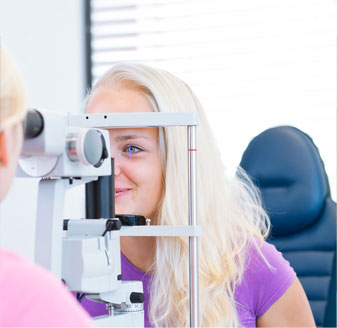
Improving EHR Productivity in Ophthalmology Practices

Ophthalmology PracticesAccording to the American Academy of Ophthalmology, around 32% of ophthalmology practices are actively using electronic health records or EHRs. An electronic record system provides ophthalmologists effective opportunities to maximize their collaboration with primary care providers or specialists. With EHR, ophthalmologists can better contribute to care coordination, chronic disease management and improved quality of care. Let’s take a closer look at raising EHR productivity in an ophthalmology practice and how ophthalmology medical transcription is still relevant.

A study published in the Journal of the American Academy of Ophthalmology found that an ophthalmology clinic in North Carolina gained an internal return on investment of 41% from their EHR over 5 years. As per the study, the main factors that contributed to this productivity gains were positive cash flow savings on administrative staff, greater optical revenues and an increase in physician productivity during the fifth year. The physician productivity dropped a bit when the electronic health record was introduced while the average productivity of the clinic remained constant for three years. Some of the physicians slightly expanded their schedules in the fifth year to increase their productivity and more patients were seen in the clinic each day.

The study further explains that medical scribes have an important role in maintaining productivity with EHRs. Their role is crucial in documenting and e-prescribing and helping physicians to spend quality time with their patients without facing the computer for the entire exam.

Using Scribes in Ophthalmology

As per the Joint Commission, a medical scribe is defined as an unlicensed individual who is hired to enter healthcare details into the EHR or the medical chart upon the direction of a physician or licensed independent practitioner. In other words, we can say scribes share the physicians’ task of data gathering and EHR documentation. When it comes to ophthalmology, scribes enter all information into the EHR which can’t be entered automatically through ophthalmic instrumentation or EHR interfaces. They also enter the examination information and exam findings into the electronic records so that ophthalmologists can maintain verbal, eye and body position contact with the patient better. However, there are some challenges in employing a scribe such as:

  • Finding the right person is a major challenge. The candidate must be computer savvy. He/she should be familiar with ophthalmic terms and have the ability to transcribe the physician’s spoken words. Apart from being able to think quickly, the scribe should be able to understand the basic workflow of the examination, assessment plan and documentation.
  • You may need to provide appropriate training to selected candidates. This may not be affordable for smaller practices.

For all these reasons, a combination of EHR and transcription becomes the practical option. In this approach, the doctors’ recordings are transcribed, checked thoroughly and populated into appropriate fields within the electronic record system by a transcription service provider. This helps physicians save the valuable time spent directing the scribes or facing the computer screen. Professional medical transcription companies offer the service of skilled and experienced transcriptionists. Three-level quality checking is performed with experienced proofreaders and editors to ensure maximum accuracy.

EHRs Ring a Bell about SOAP Notes

EHRsThe shift to electronic health records (EHR) has brought about some resistance and fuss from physicians and practices, but at the core of this innovation are the goals of data security, and simplicity but effectiveness of patient information entry and its retrieval. The need for this, though, was felt decades ago.

EHRs following the HIPAA best practices rule by encryption, and efficient tracking can be extremely secure. Their straightforwardness and comprehensiveness in describing the patient’s condition are the other major benefits. Its goals seem to have had a lot of influence from SOAP (Subjective, Objective, Assessment and Plan) notes.

More about SOAP Documentation

SOAP notes were conceived out of a need for greater convenience and simplicity. It was introduced in the 1970s by Dr. Lawrence Weed at a time when medical documentation did not have a standardized process. Back then, Dr. Weed called it Problem Oriented Medical Record (POMR).

SOAP notes provided a definite structure for physicians and helped practices communicate better. This is still the basic concept behind the transformation of the industry. Doctors who began using SOAP notes could retrieve patient records faster; and this is one area EHRs excel in.

Quite like the way EHR software has helped providers find patient charts in an easier manner, SOAP notes did allow providers to communicate clearly and in a concise format. And since their they have played their part in improving health outcomes for many patients.

The SOAP Procedure

SOAP notes are, as the expansion of the abbreviation suggests, broken down into subjective, objective, assessment, and plan sections. These components are to be followed in their order:

  • The physician first fills out the subjective element t basically deals with the information the patient directly gives. It could include symptoms felt by the patient, the medications he is under if any, the allergies he has to any drug, his surgical and medical history, etc.
  • This would be followed by the objective component which would include vital signs, physical examination findings, previous diagnostic and laboratory tests, any abnormalities noted, etc.
  • Then comes the assessment stage where the doctor conducts his diagnosis of the condition of the patient based on the aforementioned objective data and medical history.
  • The final plan stage covers the actual treatment of the patient’s concerns including procedures carried out, radiological work conducted, lab orders referrals and medications and advice given. Scheduling for follow-ups or further reviews is also included.

Simple and quick but efficient documentation of patient encounters, which modern electronic health records hope to achieve, could be said to have its origin in what Dr. Weed created. A quick glance reveals just how simple the SOAP notes are.

Documentation Requirements for Annual Wellness Visit

The Annual Wellness Visit (AWV) is a yearly appointment that provides the opportunity for healthcare providers to develop and update a personalized prevention plan for their patients. Medicare covers Annual Wellness Visit if the patients have had Medicare part B coverage for more than 12 months and have not received an initial preventive physical exam or AWV service within the last 12 months. Subsequent AWVs can be scheduled annually (11 full months after the month of the last AWV) as well. Physicians must document the components of AWV properly; this is important from the point of view of providing quality care and avoiding compliance problem that may lead to claim denial.

The documentation rules for AWVs are vastly different from that of a preventive physical exam. AWV requires a Health Risk Assessment that should be filled out by the patient and it will be reviewed by the physician along with the patient. Health Risk Assessment includes demographic data, self-assessment of health status, psychosocial and behavioral health risks and activities of patients in their daily life. The other documentation requirements are as follows.

Patient History

Document medical and surgical history including the illnesses, hospital stays, allergies, injuries and treatments. It is also required to document family history, current medications and supplements and current providers. The risk factors for depression and other mood disorders, the patient’s functional ability and other relevant details should be also reviewed using appropriate screening instrument or test and documented well.

Physical Examination

Assessment from a focused physical examination should be documented. This includes patient’s height, BMI (initial AWV only), weight, blood pressure and other measures. You should document the assessment and detection of any kind of cognitive function impairment (Alzheimer’s or other forms of dementia) through observation and/or screening procedures.

Screening Schedule

Document an age-appropriate screening schedule of preventive services for the patients to receive from Medicare in the next five to ten years based on recommendations from the U.S. Preventive Services Task Force. The patient’s health status and screening history should be recorded as well.

Risk Factors

It is required to document a list of current risk factors of patients including mental health, their conditions and recommended treatment options along with their associated risks and benefits.

Personalized Health Advice

Document the personalized health advice along with the referrals for health education to promote wellness such as weight loss increased physical activity, smoking cessation, fall prevention, and improved nutrition. The preventive counseling services provided can also be mentioned.

The documentation requirements for initial and subsequent AWVs are almost the same. You have to just update the health-risk assessment, medical and family history, list of current medical providers and suppliers, written screening schedule from previous wellness visits, list of risk factors and conditions and the care provided currently or recommended during subsequent AWVs.

Documenting Physician-Patient Encounters Vital to Diagnose and Treat Chronic Migraine

Documenting Physician-Patient EncountersAccording to a new study presented at the 57th Annual Scientific Meeting of the American Headache Society, migraines may be underreported and under-treated in teen athletes. In most cases studied, it is unclear whether there occurred an exacerbation of primary headache disorder, new onset headache not related to trauma, or genuine concussive injury in the students. Proper communication and clinical documentation via accurate medical transcription can provide clear and reliable information about headaches and ensure effective treatment.

The study involved a cross-sectional survey that evaluated the characteristics and prevalence of headache in 74 competitive football players in the age group 14 to 18. The survey gathered data regarding personal and family history of headache as well as concussion history. The results of the survey are as follows.

  • A total of 33.8% participants reported they have a history of migraine while 37.5% reported history of previous concussion.
  • Around 29.6% reported a history of multiple concussions. Among them, 50% reported a personal history of migraine.
  • Of those participants that reported history of concussion, 40.7% reported a personal history of migraine.

Overall, the migraine prevalence among teen population in the study was 33.8%, considerably higher than the 16.2% estimated prevalence of migraine/probable migraine among the general population. However, it remains unclear whether this significant increase in prevalence is due to increased awareness of headache disorders, the result of contact exposure or a predisposition for migraine development post concussion.

Another study presented at the 57th Annual Scientific Meeting of the American Headache Society confirmed that migraine or probable migraine is the main phenotype found in concussed teen athletes. The study evaluated 25 sports-related concussion patients in the age group 12-19 and found predominant headache phenotype was migraine or probable migraine having average pain score of 6.3 out of 10. Concussions occurred in teen athletes while participating in football, basketball, softball, soccer, hockey, lacrosse or gymnastics. If 5% experienced loss of consciousness, 48% reported nausea, 52% reported phonophobia as a result of concussion, and 72% reported neurocognitive symptoms.

In the light of these two studies, we can conclude that though concussion-related migraines are common in teen athletes, they are possibly less reported and do not receive effective treatment. Effective communication between physicians and patients is very important for accurate diagnosis, optimizing treatment plans and facilitating patient adherence. Physicians should ask patients open-ended questions (such as asking patients about their headaches and how these affect their life), migraine frequency (headache attacks, headache days), and headache-related disability.

When it comes to diagnosing and treating chronic migraine, documenting physician-patient encounter is an effective way to evaluate the communication. Physicians should make use of a well-designed EHR to record each and every detail in a simple and quick manner. However, limitations to narrative descriptions, and errors from frequent copying and pasting information within the EHR fields can compromise the accuracy of documentation. A blended approach of EHR integration and transcription is advisable. In this approach, the physician’s recordings are transcribed, checked for quality and populated into the corresponding fields in the electronic record system. Professional transcription companies offer three-level quality checking for the data to ensure maximum accuracy.

Telemedicine Set to Be among the Hottest Digital Health Trends in 2015

TelemedicineAs per Skip Fleshman, partner at Asset Management Ventures, telemedicine is poised to be this year’s major digital health trend. He opines this trend would appeal not only to younger patients, but also to older populations. Telemedicine is also cheaper than in-person care and Medicare and Medicaid have started coverage for not-in-person consultations. However, medical documentation either using an EMR or done by a medical transcription company plays an important role in ensuring the viability of telemedicine.

Fleshman notes four reasons in this Forbes article for the growth of this digital health trend in 2015:

  • Better video chat experience than in the past owing to faster Internet connections and advanced software
  • Better accessibility of mobile devices that enable people to consult their doctors from anywhere
  • With wide adoption of electronic health records, doctors are able to access patient records more easily
  • Asynchronous messaging is comfortable for patients and more time-efficient for doctors

The American Academy of Family Physicians also opines that telemedicine is emerging as a critical building block in the delivery of care. The increasing demand for health care, especially in underserved rural areas is the major reason for this. A new report by iData Research shows telehealth is expected to boost patient monitoring market in the U.S. by about $5 billion by the year 2020. This report points out that both public and private organizations may set apart more funds for telemedicine in the consequent years.

Telemedicine involves two way real-time interactions between patients and healthcare provider, which covers screenings, consultations, medication management, patient education, rounds reports, and professional development. The efficacy and safety of this option have always been under scrutiny. In 2010, a telemedicine centre in Switzerland conducted a study to evaluate the effectiveness and safety of telemedical management in uncomplicated urinary tract infections. This included teleconsultation including the prescription of an antibiotic and it was found this methodology is feasible, safe and effective in routine clinical settings. You need to be more careful about the industry standards, legislation and documentation requirements for broader implementation in patient management.

Telemedicine Documentation

To make a decision about the patient, the information of the visit, the history, review of system, consultative notes and other pertinent documents is inevitable. This situation is no different in the case of telemedicine. Telemedical records must be consistent, accurate and timely with no duplicate content to ensure that medical services are delivered in an efficient manner. The organization using telemedical information must comply with all standards such as the need for assessment, informed consent, documentation of event, and authentication of record entries to maintain the privacy and confidentiality of sensitive information.

The usual documentation requirements for telemedicine as specified by AHIMA include:

  • Patient name
  • Identification number
  • Date of service
  • Referring physician
  • Consulting physician
  • Provider organization
  • Type of evaluation performed
  • Informed consent, if appropriate
  • Evaluation results
  • Diagnosis/impression
  • Recommendations for further treatment

With electronic health records being an inevitable element for telehealth, EMR transcription (which involves transcribing dictations with the help of transcriptionists and populating EMR fields with appropriate data via Discrete Reportable Transcription (DRT)) is a viable option for accurate documentation. Real-time transcription helps to maximize efficiency, understanding, and communication between the practitioner, patient, and team members.

EHR Replacement Increases in 2015

EHR ReplacementAccording to the 2015 EHR Software BuyerView report by Software Advice, a company that researches and provides review on software applications, found that most buyers of EHRs are choosing to replace their existing system. In their six years of research on EHR buyers, the company found the number of clinicians looking to replace their existing EHRs is much greater than the number of clinicians looking to purchase electronic record system for the first time in 2015. The buyers are still looking for a clinical documentation system with better functionalities and ease of use. We will see how medical transcription is relevant in such a scenario after going through the report.

The three major findings of this report are as follows:

  • There is around 59 percent increase in the number of buyers opting to replace existing EHR software since 2014.
  • The top-requested application by the highest percent of EHR buyers (45 percent) is billing. The upcoming ICD-10 transition is reported to be the main reason for this.
  • The most often requested functionalities by EHR buyers include patient tracking capabilities (monitoring assessments, treatment plans, progress notes and initial evaluations), customized templates (pre-filled forms and information sheets that tailor to particular patients, procedures and conditions) and functionality that enables regulatory compliance (government mandates such as meaningful use requirements, federal privacy and security laws).

While seeking the buyers’ motivation on buying new EHR software, nearly one-quarter of them replied that they are dissatisfied with the performance of their current system. The popular feedbacks from unsatisfied users include: the system takes too much clicks to get through, the system is not intuitive or it keeps crashing. Some practices may not realize their system is going to clash with their workflow until its implementation. One such example is the vendor will promise the buyer that it would be easy to implement customizations and the buyer comes to realize only after the implementation that even minor changes wouldn’t be possible without the next software upgrade. Thus, overwhelming dissatisfaction with the EHR system in the backdrop of new challenges such as ICD-10 transition and meaningful use is prompting buyers to replace their existing system.

Relevance of DRT (Discrete Reportable Transcription)

The report recommends that buyers consider four key elements while purchasing EHRs such as functionalities, ease of use, regulatory compliance and outside opinions. However, even if a system has all these elements, you may still encounter problems related to efficiency and accuracy. This will cost you a lot, especially due to upcoming challenges. This is where using discrete reportable transcription (DRT) technology instead of relying solely on EHRs becomes relevant. Many physicians complain that data entry during patient encounter lowers productivity as it limits the possibilities of a face-to-face encounter so that the physicians can’t focus on what patients are saying and examine their body language. Also, unnecessary copying and pasting of information to save time may result in grave mistakes. Relying upon a transcription service provider that uses discrete transcription technology gives you more time to spend with patients without any concerns regarding the accuracy of healthcare data.

With DRT, you are required to type clinical encounters into the system. The physicians’ dictations are transcribed with the help of transcriptionists and the transcribed data is populated into the corresponding fields within the EHR systems using DRT technology. The transcribed data is double-checked before entering it into the electronic record system. Professional transcription companies employ a trained and experienced quality assurance team to perform this task while implementing stringent security measures.

Study: Significant Lag Times Exist between Evaluating and Documenting Patient Pain Scores

Nursing TranscriptionWhen it comes to nursing transcription, frequent documentation of pain scores is very important for proper pain assessment and treatment. However, the study findings presented at the American Medical Informatics Association’s 2014 annual symposium highlight a significant delay on the part of nurses in documenting bedside pain scores. Pain score generally indicates the intensity of pain level. If scores ranging from 1 to 4 indicate a mild level of pain intensity, scores of 5 and 6 indicate moderate level while scores of 7 or higher are reflective (referred pain). Nurses and physicians can make timely interventions based on these scores. Delay in reporting pain scores will prevent them from making timely intervention and this may affect the quality of care.

According to the report published in the Anesthesiology News, the researchers conducted an online survey of 5,876 nurses and observed 25 nurses in inpatient units as a part of this study. On the 1,769 responses received, they found significant lag times between the nurses’ assessing the patient score at the bedside and entering the same into the patients’ electronic health records (EHRs). It was found that the mean lag time ranged from 16 to 33 minutes. However, longer lag times were found for larger hospitals and patients with lower pain scores. The mean lag time for patients with severe pain scores was found to be 17 minutes compared to 48 minutes for no-pain scores.

According to investigators, the most common reasons quoted for this delay include being too busy with work, having conversations with the patients or their family members, group documentation of pain scores with several patients (for making better use of time) and forgetting to enter the score. During the survey, the nurses suggested that having lighter workloads, using EHR alerts and keeping mobile devices in units can reduce the delay. However, the lead investigator opines the responses indicate the incapability of EHR system as well. It is required to either redesign the system or implement a new system to expedite pain score documentation.

When facing huge workloads, nurses can consider obtaining transcription services to perform EHR transcription and ensure comprehensive, timely and quality documentation. In this approach, the dictations are transcribed by skilled and experienced transcriptionists and the transcribed data is populated into relevant EMR fields so that the documentation is streamlined and accurately maintained. Many professional transcription outsourcing companies provide customized turnaround time so that any delay in documentation can be avoided.

Medical Transcription Could Address the Problem of Inconsistent EHR Documentation

Medical TranscriptionRecording of physician notes and subsequent medical transcription to create transcripts is an effective means of ensuring that all clinical details are correctly documented. However, the entry of electronic health records has changed this practice and providers are now required to enter patient details into the EHR system. Work pressure, difficulty to attend to the patient and make inputs into the EHR simultaneously may be challenging for many providers resulting in inconsistent and erratic documentation.

The Woes of Documentation

A recent study published in an international journal, Patient Education and Counseling found that very few patients are asked if they take dietary supplements upon hospital admission and had their use documented when in fact, more than half of the patients used DS before hospitalization. Around 558 hospital patients were included in the study and 333 patients (60%) used dietary supplements prior to hospitalization. Out of 333 patients, only 36% had their supplement use documented at the time of hospital admission while only 18% told their provider about supplement use and only one in five were asked about their supplement use by the provider. Only 6% met all the criteria in an ideal scenario – asking about dietary supplement at admission, disclosing the use of products and documenting their use in medical charts.

A 2014 study published in the Journal of the American Geriatrics Society found incomplete discussion and documentation of supplement use with older adults during their visits to the primary care office. Most of the patients (60%) who reported taking dietary supplements during the study had a mean age of 64.6 ± 10.1. Around 56% (142/256) of the patients reported taking at least one supplement, their visits audio-recorded and medical records abstracted. Though 59% of these 142 patients discussed at least one of their supplements during their visit to a primary care provider and 58% had at least one supplement documented in their record, only 7% discussed all their supplements and only 13% had all their supplements documented during primary care visits. Only 5% of patients both discussed all their supplements and had all of them documented during their visits. Overall, the number of supplements patients were taking did not correlate with supplement discussions or documentation in this study.

EHR Integration and Transcription Could Improve Documentation

To put it in a nutshell, there is a growing need to educate physicians about the potential risks of medications and supplements and the importance of asking patients, especially older patients, proactively about supplement use and documenting their use. Lack of such knowledge may cause physicians to provide a treatment or prescribe a medication that could have an adverse reaction with the supplement and that would in turn affect patient safety. Though physicians can make use of a well-designed EHR to expedite their documentation process, limitations to narrative description may still make the documentation incomplete. Moreover, errors can occur due to frequent copy pasting of information without proper checking. EHR Integration and transcription would be an ideal choice in which the audio recordings of patient visits are transcribed, thoroughly checked for quality and the details entered into relevant EHR fields.

Disparities in Electronic Charting of Allergy Information – Is EHR Transcription a Better Option?

Electronic Charting of Allergy InformationCan electronic medical records eliminate the need for accurate medical transcription? This is a question frequently asked by providers who are used to dictating their medical notes and having them professionally transcribed. Let us consider this in the light of the findings of a recent study.

Complete and accurate documentation of medication allergies is crucial for patient care, especially in the emergency department (ED). Inaccurate information will drastically affect clinical decision making and lead to suboptimal therapy. The study mentioned above, published in the Southern Medical Journal, states that there are significant discrepancies between allergy details reported in electronic patients chart and the information collected during patient interviews at the ED.

This study comparing a prospective patient interview with allergy histories documented earlier was conducted between December 2011 and April 2012 in an academic emergency department. The patients to be interviewed were adults and they had at least one documented allergy in their chart. Demographics for sex, age and race were recorded while descriptive statistics and percentages were used for demographic and prevalence data. The study evaluated the agreement between interviews and patient charts with regard to both the reaction type and the reaction descriptor.

101 patients were interviewed during a 4 month period and 235 adverse drug reactions were recorded. Around 66 women and 35 men of mean age 51 ± 17 years were included in the study. If the median number of allergy instances for women was 2, the median number for men was 1. The other important results of the study are as follows.

  • With the interviews, 18 (7.7%) allergies were found that were not recorded in the chart. At the same time, another 18 allergies documented in the chart were denied by the patients during the interview.
  • Some reaction descriptors were omitted from the patients’ charts, and for around 32% of allergies there were no reaction descriptors specified.
  • Total profile agreement between previously documented allergies and patient interviews occurred in only nine patients.
  • For overall allergies, the percentage of agreements was 85% whereas it was 50% for the type of reaction.
  • The percentage of agreement between patient charts and interviews for reaction descriptors was only 50%.

As per the study, there are several reasons for the inconsistencies. The patients’ incomplete knowledge regarding their drug allergies, and the disparity between pharmacists and physicians taking medication and allergy histories, are among the prominent reasons. Pharmacists entered a descriptor for an allergy in 53% of the patient profiles, whereas physicians entered the same for only 2%. When a reaction descriptor is added in a patient’s allergy history, providers can identify medically significant reactions and prevent unnecessary treatment modifications made on the basis of incomplete information.

Another significant reason is the low agreement in allergy reporting using electronic charts with what has been reported with paper charting. The study has found many pitfalls possible within some electronic charting systems. Some EMR systems defaults the documentation of an allergy to label it as a true immune-related allergy. Moreover, these systems may not require the provider to input a reaction descriptor. The result is – over reporting of the reaction type being an allergy, and under reporting of reaction descriptors.

In short, the study implies better methods are required to properly document allergies and ensure patient safety and care even with the use of electronic medical records (EMRs). Meanwhile, providers who prefer the traditional method of dictating their notes and then getting them transcribed can consider EMR transcription and integration services to make their documentation even more accurate. Medical transcription companies in the United States offer this service. This involves transcribing physicians’ recordings and entering the thoroughly checked transcribed data into relevant EMR fields.

Pediatric Documentation for ICD-10

Being a specialty that already has a low financial margin, pediatric practices must ensure increased specificity in the documentation of their findings to avoid financial setback just after ICD-10 implementation. If pediatricians continue to follow the same documentation practice they have been following, the diagnoses will map to unspecified codes that may not be reimbursable. Most of the diagnoses require much more specific details in ICD-10-CM. Pediatricians should specify the episode of care and laterality, give more details of the location of an injury or condition and clearly indicate the presence of the symptom, manifestation or complications in their documentation. Let’s take a look at the additional documentation required for pediatric diagnoses.

Asthma

You should specify the type of asthma (mild intermittent, mild persistent, moderate persistent, severe persistent, or other) as well as whether asthma is uncomplicated with exacerbation, or with status asthmaticus. The cause of the asthma (for example, exposure to environmental tobacco smoke, history of tobacco use, or occupational exposure to environmental tobacco smoke) should also be specified.

Otitis Media

It is required to specify the type of otitis media (serous, sanguinous, suppurative, allergic, mucoid), its severity (acute, chronic, subacute, or recurrent) and laterality (left, right, or bilateral). You should also clearly specify the presence of any associated perforated tympanic membrane, as well as any environmental factors (for example, tobacco use, tobacco dependence, or history of tobacco use).

Well-child Exam

For ICD-9, it is required to focus on the child’s age while documenting for a well-child exam. Since ICD-10 distinguishes between “with abnormal findings” and “without abnormal findings,” make sure that you document the specific abnormal finding, if present. It is also very important to clearly document the treatment and evaluation of abnormal findings discovered.

Immunization

In ICD-9-CM, it is required to specify the purpose for the immunization along with the documentation for immunization. In ICD-10-CM, the documentation of immunization is sufficient.

Diabetes

ICD-10-CM requires more specific documentation of diabetes. You must specify the type of diabetes (Type 1, Type 2, drug- or chemical-induced, due to an underlying condition (specify the condition), or gestational), any body system affected and/or complications. It is also required to indicate the use of insulin.

Underdosing

This is a new concept in ICD-10-CM and denotes the cases in which a patient takes less dose of a medication than what is prescribed. While documenting for underdosing, specify whether it is intentional or unintentional. If it is intentional, specify whether it is due to financial hardship or some other reason. If it is not intentional, specify whether it is due to an age-related debility or some other reason.

Injuries

When documenting injuries, you must document the exact site (with laterality) of the injury and the episode of care (initial, subsequent or sequelae). Specify the external cause (how the injury was sustained), place of occurrence (the place where the injury occurred), activity (what the patient was doing at the time of injury) and the external cause status (leisure activity).

Bronchitis

If the patient is diagnosed with bronchitis, you must document acuity (acute, chronic, or subacute) and the causal organism (for example, respiratory syncytial virus or metapneumoviris). However, do not change your clinical decision-making process just to achieve greater specificity.

Feeding Problems in Newborns

In this case, you must document the specific type of feeding problem such as slow feeding, overfeeding, or regurgitation and rumination.

Overall, ICD-10 requires pediatricians to be more mindful of specificity at the time of documentation. Complete and detailed documentation helps you to organize observations and examination, justify your treatment plan, support diagnoses, and track patients’ progress and outcomes. This will also help you determine the severity of illness, length of hospital stay and risk of morbidity/mortality data.

You can undertake an audit of your documentation and make sure everything is documented appropriately for ICD-10. If it is too hectic for you to produce much specific documentation amidst providing patient care and other core activities, consider obtaining support from experienced and skillful medical transcriptionists knowledgeable in the latest developments in healthcare field. Professional transcription companies provide three levels of quality control to ensure the accuracy of documentation. The advantage of hiring a transcription service is that you can continue dictating your patient notes, while transcriptionists convert them into text and enter the details into your EMR system. This is a good practice because it will help you meet Meaningful Use requirements efficiently and also enjoy streamlined documentation.

  • KEY FEATURES

    • 3 Levels of Quality Assurance
    • Accuracy Level of 99%
    • All Specialties Covered
    • Competitive Pricing
    • Digital Recorder Dictation
    • Electronic Signatures
    • Feeds for EHR or EPM
    • HIPAA Compliant Service
    • Quick Turnaround Time
    • Toll Free Phone Dictation
    • Transcription Management Software
    • Volume Rates Available
  • RECENT BLOGS

  • Categories

  • Quick Contact


    • Infographics