With the Affordable Care Act (ACA), electronic medical records or EMRs are being widely used among nurse practitioners with individual patients and at clinical level in order to support wellness as well as chronic disease management activities. A recent study that involves a qualitative research on nurse practitioners in the province of British Columbia, Canada explores how nurses perceive EMRs and how such a system affects their clinical practice. Let’s take a detailed look into this study first and then see why nursing transcription is still significant.
A total of 31 completed surveys were received during this study with a response rate of 14%. While five respondents were completely using EMRs, 17 were using a hybrid system comprising paper charts and electronic records, and 9 were using paper charts alone. When it comes to the quality of clinical decisions, quality of care, access to information, communication and prescribing, nurse practitioners perceive a positive impact for the electronic medical records. Their responses related to EMR’s impact on the delivery of preventive care are as follows:
47% of respondents said EMRs had no impact
36% of respondents said EMRs had a positive impact, with 8% considering it a major positive impact
8% of respondents said there was a negative impact
8% of respondents said this was not applicable to their practice
When it comes to the delivery of chronic care and meeting guidelines, the responses were:
30% of respondents said EMRs had a major positive impact
35% of respondents said EMRs had no impact
9% of respondents said there was a negative impact
26% of respondents said this was not applicable to their practice
The respondents reported several benefits with EMRs such as consistent communication, remote access to diagnostic results and continuity between providers of care. However, the study concludes that though there is a rapid increase in adopting EMRs, many nurse practitioners believe that this electronic record system does not adequately support their practice. Though this system eliminates illegible prescriptions and thereby helps reduce medication errors, there are several challenges associated with it including frequent crashes or system down at times and interoperability issues. Further studies are required in this area.
Limited narrative description (owing to templates) and copy-paste errors are other issues associated with EMRs. To overcome these challenges, you can employ a hybrid approach which involves both EMR and medical transcription. In the hybrid approach, traditional transcription technique is used to create reports and notes and the transcribed data is entered into appropriate fields within the EMR. This allows you to ensure the accuracy of data within EMR.
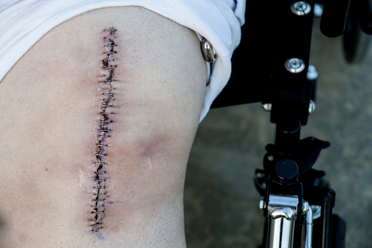
Joint replacement surgery is recommended for patients whose symptoms do not respond to other treatment. When it comes to reporting claims, it is very important to prove that this procedure is medically necessary for the patient. It requires a specific documentation that includes complete description of history and clinical findings to prove the recommendation of surgery was reasonable and necessary for the patient. Without proper documentation of medical necessity through accurate orthopedic transcription, your claims are likely to be rejected and managing the patient’s condition also becomes challenging.
As per the Centers of Medicare and Medicaid Services, the documentation must include detailed history and physical examination reports, nursing admission assessment, operative note, pre-surgical x-ray reports and so on. Progress notes that contain only conclusive statements need to be avoided. The key elements of medical necessity documentation according to CMS are as follows.
History
Give a detailed description of the pain including onset, duration, character, aggravating, and relieving factor
Specify the Limitation of Activities of Daily Living (ADLs)
Mention the safety issues (for example, falls)
Specify contraindications to non-surgical treatments
List out and describe failed non-surgical treatments such as trial of medications (for example, NSAIDs), weight loss, physical therapy, intra-articular injections, braces, orthotics or assistive devices
Physical Examination
Specify the following:
Deformity
Range of motion
Crepitus
Effusions
Tenderness
Gait description (with/without mobility aids)
Investigations
The results of applicable investigations (for example, plain radiographs) should be described in a specific manner.
Clinical Judgment
You must also give the reasons for deviating from a stepped-care approach, if so.
Use of Electronic Charting
The use of electronic charting or electronic medical records (EMRs) is definitely a right choice as EMR templates mostly support specific information. You can easily enter specific information using the checkboxes and drop down menus. However, the concern of copy-paste errors must be addressed well. While copying and pasting everything from previous reports to save time, there is a greater chance of not checking the content and making grave mistakes. Further, templates limit narrative description, which may drastically affect your documentation and its ability prove medical necessity.
Using a combined approach of EMR and medical transcription through the DRT technology is the best choice to ensure complete and accurate medical necessity documentation. In this approach, physicians’ recordings are first transcribed with the help of experienced transcriptionists. The transcribed data is reviewed thoroughly by proofreaders and editors. This data is then populated into appropriate fields within the EMR through discrete reportable transcription (DRT) technology. This will ensure your documentation is complete, specific and accurate.
Suicide was found to be the second leading cause of death among adults aged between 15 and 24 in 2013. As the patterns of suicide may be different for young adults between 18 and 24 years of age than for teenagers between 15 and 17, CDC’s National Center for Health Statistics (NCHS) examined the rates and methods of suicide among young adults between 18 and 24 years of age by sex, race and Hispanic origin. This report published by the Centers for Disease Control and Prevention (CDC) revealed that young American Indians and Alaska Natives (AIAN) have much higher rates of suicide compared to other racial and ethnic groups. The relevance of a proper suicide risk assessment with improved clinical documentation through accurate behavioral medicine transcription is much higher in this scenario.
Out of five race and ethnicity groups studied including non-Hispanic, white, non-Hispanic black, Hispanic and Asian or Pacific Islander (API), the suicide rate was highest in the American Indian or Alaska Native (AIAN) population with 34.3 deaths of males and 9.9 deaths of females per 100,000 populations. The males in AIAN population were more than twice likely to commit suicide compared to other gender and racial and ethnic subgroups. However, the suicide rates for AIAN young adults are possibly underestimated as it was found in a previous CDC study that the overall deaths for all AIAN population were underreported by 30%.
As per the data combined from 2009 through 2013 for non-Hispanic black and non-Hispanic white young adults who committed suicide, the most common method used for suicide was firearms, followed by suffocation. At the same time, suffocation was the most common method used by Hispanic, API, and AIAN young adults who committed suicide, followed by firearms. The common methods used by API young adults who committed suicide were poisonings and falls (12.6% and 8.1% of suicide deaths, respectively).
Suicide Risk Assessment and Improved Clinical Documentation
Suicide prevention is an important part of a mental health practice. Suicide risk assessment is regarded as the core function for suicide prevention, which involves engaging with and assessing those patients who are at the risk of suicide. This assessment is a complex and stressful task for healthcare professionals as they have to weigh the relative risk of a person engaging in suicidal behaviors within the context of that person’s current clinical and psychosocial presentation. The degree to which the risk and protective factors affect the likelihood of suicidal behaviors is different for different people. Neither one risk factor or a set of risk factors increase the risk of suicide nor one protective factor or a set of protective factors guarantees against suicide. Therefore, physicians should sensitively enquire about the patient’s reasons for dying and synthesize all of this past and present knowledge to determine the current suicidal risk. They should be confident to ask genuine questions to their patients and ensure thorough assessment to strengthen patients’ hope for life or reduce their wish to die.
It is not enough for physicians to ask the right questions to ensure proper suicide risk assessment, but also record all relevant details in an accurate and standardized manner. An improvement should be made in the clinical documentation based on historical, clinical, situation and protective factors. All the gaps in the documentation should be updated and alternative interventions are provided, if needed. Of course, electronic health records or EHRs provide an easy way to enter and access relevant details in times of need. However, issues such as copy-paste errors and limited narrative description are a matter of concern. A combined approach of EHR and transcription is thus effective for accurate clinical documentation. Once the physicians’ recordings are transcribed and reviewed with the help of transcriptionists or a medical transcription service company, the data is quickly and accurately entered into the relevant fields in the electronic health record.
Speech recognition technology has made radiology transcription more efficient overall. Radiologists saw a large decrease in reporting time as voice recognition software became more widely used. The software’s capacity to convert spoken words into text made it possible for radiologists to produce reports more quickly, which eventually enhanced patient care. Radiologists are responsible for documenting results and their interpretations; however, a machine can transcribe voice memos and forward them to radiologists for review, editing, and signature. This time-saving feature helps radiologists concentrate on other important duties by increasing productivity. The transcription process is now more efficient thanks to speech recognition technologies, although the accuracy guarantee has not altered significantly on its own.
Improving Speed and Efficiency with Speech Recognition Software
Voice recognition software’s capacity to speed up the reporting process is one of its main benefits. It is no longer necessary for radiologists to waste time typing or transcribing notes. Alternatively, radiologists can dictate their results straight into the program, which will translate speech to text on its own. Faster report generation is made possible by this optimized procedure, guaranteeing prompt and effective patient care. Picture a crowded radiology department where several patients are awaiting report time. Radiologists can now quickly dictate their findings by using voice recognition software, which eliminates the need for manual data entry. Radiologists may now concentrate more on evaluating and interpreting medical pictures since the program effectively translates speech to text, which will ultimately improve patient outcomes.
Moreover, voice recognition software provides a hands-free reporting method. Instead of switching between jobs, radiologists can review photos and simply express their observations and diagnosis. The smooth incorporation of voice recognition technology into radiology workflow improves productivity and makes radiologists’ jobs more pleasant and productive.
Ensure Consistency in Radiology Reporting
In radiology, reporting consistency is crucial because it enables precise picture comparison and promotes efficient communication between medical professionals. Software for voice recognition is essential to maintain this uniformity. Through customizable templates and glossaries, the software standardizes terminology used in reports, promoting uniformity among various radiologists and institutions. This optimizes patient care in addition to raising the reporting standard generally. By using standardized templates, radiologists can minimize the likelihood of missing important facts by making sure that all necessary information is included in the report. Moreover, structured reporting can be integrated with voice recognition software, allowing radiologists to record their results in a predetermined format. This standardized method makes reports easier to read while also making data analysis and research easier. Reports contain data that is easily extracted and analyzed by researchers, resulting in insightful discoveries and breakthroughs in the field of radiology. To sum up, voice recognition software has significantly improved radiology report accuracy. This technology has raised the standard of radiology practice generally and improved patient care by lowering transcribing errors and guaranteeing uniformity in reporting. Voice recognition software is expected to become progressively more important in the industry as technology develops, completely changing how radiologists record and present their findings.
Challenges of Speech Recognition software
The existence of technological problems is one of the biggest obstacles radiologists face while employing speech recognition software. Software for voice recognition is not perfect, just like any other technology. Technical problems could arise and momentarily halt the reporting process. These concerns can be related to program crashes, compatibility issues, or other technological hiccups. For instance, there may be times when the software wrongly transcribes the radiologist’s dictation, which causes mistakes to appear in the finished report. Radiologists may have to spend more time revising and confirming the transcriptions, which can lead to delays and dissatisfaction.
Another limitation is that the software’s overall performance may suffer if it has trouble correctly identifying some accents or dialects. For example, a radiologist with a strong accent may discover that the program frequently misunderstands their dictation, which results in inaccurate transcriptions. To guarantee continuous workflow, radiologists and other healthcare professionals must be aware of these restrictions and have backup plans ready. This could entail keeping backup reporting techniques on hand, including typing reports by hand.
Speech recognition software has transformed medical transcription. Transcribers can now perform as editors since they would not need to take more effort for ensuring accuracy in the transcription. This has particularly been felt in radiology. Though the technology has led to radiologists themselves editing their dictation, there is still a major role played by transcription. This involves not only transcription from dictation but also back-end speech recognition where transcribers perform the task of editing. It still makes sense to outsource radiology transcription with speech recognition, particularly since the need is not only to reduce burden for healthcare staff, but also reduce costs. Some form of outsourcing is still needed to attain these goals, particularly for larger practices.
Looking for accurate and reliable radiology transcription?
When outsourcing, the agreement must be clear on all aspects including quality, security and turnaround time. Radiology files usually require a turnaround time ranging from two to four hours. And, an accuracy score of 98% is an absolute necessity.
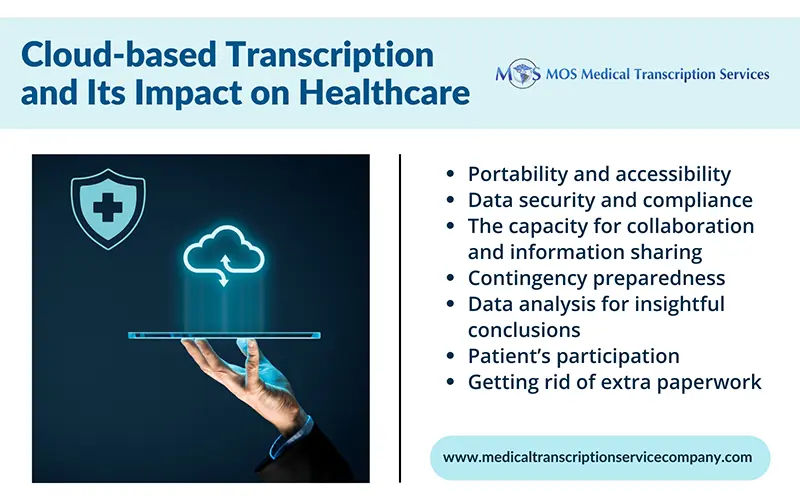
Cloud-based medical transcription services have technically been around ever since the development of this field, as this blog reveals. But the move towards electronic health records has altered the environment slightly. The complexities of EHR transcription make comprehensive cloud-based medical documentation pretty useful for practices.
What is needed is a flexible and secure platform for accommodating various clinical documentation requirements and workflows to serve the needs of hospitals and practices. The technology must be cost-effective and centralized to ensure better performance and security.
What Is an EHR That Is Cloud-based?
A cloud-based electronic health record (EHR) offers reduced upfront costs, easier scalability, flexibility, and user-friendliness than an on-premises system. Data mining allows managers to look at patient data to identify trends in behavior, drug interactions, and other potential health risks, as well as to assess workflows to identify opportunities for improvement.
In order to better customize the solution to the particular requirements of different doctors and hospitals, the majority of contemporary web-native solutions were created in cooperation with healthcare providers, clinicians, and facility management teams.
The Shift to Cloud-based Electronic Health Record (EHR) Systems
Grand View Research projects that the size of the global market for cloud-based electronic health records would reach USD 79 billion by 2027. Cloud-based EHR systems have completely changed how patient data is distributed, stored, and retrieved.
Here is how these systems impact the healthcare system:
Portability and accessibility: The main factor that makes cloud-based electronic health record systems convenient is their easy availability. Medical professionals can now access protected patient data from any location with an internet connection. The healthcare system has undergone a significant transformation as a result, becoming more flexible and effective than previously. Better remote patient care is now possible since doctors may access and update patient data from any location.
Data security and compliance: Secure encryption, restricted access, and backup procedures are just some of the measures cloud-based EHR systems take to protect private patient information. Additionally, they keep an eye on legislative modifications that facilitate healthcare organizations’ compliance management.
The capacity for collaboration and information sharing: The medical industry has long struggled with interoperability. Cloud-based EHR system enhancements have contributed to the resolution of this problem. By facilitating the interchange of patient information among several healthcare systems and specialists, they enable anytime, anywhere access to critical data. Having such tightly linked systems is crucial for reducing administrative tasks and offering all-encompassing care.
Contingency preparedness: A basic element of cloud-based EHR systems is disaster recovery. Frequent backups of data to safe off-site locations reduce the risk of data loss due to unforeseen events. In the case of a natural disaster or system failure, medical personnel can quickly restore patient information and carry on with treatment.
Data analysis for insightful conclusions: Cloud-stored healthcare data can be subjected to advanced analytics. Big data can be used by healthcare organizations to identify trends and use them to enhance patient outcomes and operational efficiency. These discoveries may improve healthcare by enabling individuals to make more informed decisions.
Patient’s participation: Cloud-based EHR systems frequently provide patient portals where patients may view their health records, schedule appointments, and communicate with their physicians online. Research demonstrates that when individuals take an active role in their own treatment, everyone benefits.
Getting rid of extra paperwork: It’s common for healthcare professionals to devote a significant amount of time to administrative tasks including insurance claims processing, appointment scheduling, and billing. These processes are streamlined by the combination of cloud-based EHR systems and practice management software, allowing medical professionals to focus on patient care rather than paperwork.
The Role of AI and Automation in Cloud-based EHR Transcription
The application of automation and artificial intelligence (AI) to cloud-based EHR transcription is an interesting new development. Significant advancements in speech recognition technology have made it possible for AI to handle some transcription duties. Artificial intelligence (AI) can expedite the process, cutting down on turnaround times and allowing healthcare practitioners to access patient records more quickly, even though human transcriptionists are still crucial to maintain accuracy.
Intelligent data organization is another benefit of automation, as the system can automatically tag and classify transcriptions according to their content. This facilitates the quicker and easier finding of specific patient information.
The efficiency, accuracy, and security that cloud-based EHR transcription offers is expanding into new areas. Medical transcription services have grown more scalable and accessible by utilizing cloud technologies, satisfying the constantly expanding needs of contemporary healthcare facilities. The way patient data is recorded and handled is being revolutionized by cloud-based EHR transcription due to the incorporation of artificial intelligence, real-time accessibility, and improved collaboration. Adopting cloud-based medical transcription services is a critical first step for healthcare providers planning to improve their documentation procedures and move toward a more efficient, secure, and simplified future.
Streamline your healthcare documentation with our professional medical transcription services.
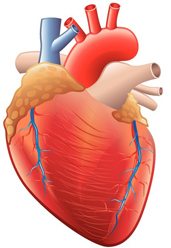
Coronary artery disease (CAD) or ischemic heart disease is the most common type of heart disease found in Americans. The key risk factor for this condition is high blood pressure, rising cholesterol levels and smoking. Proper documentation via cardiology transcription is required to have a clear idea of the patient’s condition, detect the risk factors as soon as possible and provide timely treatment. With ICD-10 implementation, your clinical documentation must remain highly structured to achieve meaningful use and successful outcomes. You should abstract patient information quickly and accurately and research clinical information effectively. Let’s consider the crucial documentation elements required for each type of ischemic heart disease.
Coronary Atherosclerosis
Identify the site of coronary atherosclerosis from the following and document it.
Native coronary artery
Graft
Transplanted heart
Further, you should identify the presence or absence and type of angina pectoris (document as either with angina pectoris or without angina pectoris). In addition to this, you should also identify any of the following conditions:
Chronic total occlusion of coronary artery
Coronary atherosclerosis due to calcified coronary lesion or lipid rich plaque
Exposure to tobacco
Angina Pectoris
Check whether angina is related to atherosclerotic heart disease and document it if any of these conditions are found:
Complicating atherosclerotic heart disease
Not complicating atherosclerotic heart disease
If you find no relation with atherosclerotic heart disease, identify the type of angina and document it. The different types are:
Unstable angina
Angina with documented spasm
Other forms of angina pectoris
Unspecific angina pectoris
Myocardial Infarction
You should identify the following and document it appropriately.
Episode of care
Initial
Subsequent
Type of myocardial infarction
ST elevation myocardial infarction (STEM I)
Non-ST elevation myocardial infarction (NSTEMI)
Site initial/subsequent episode of care of STEMI/NONSTEMI
Anterior wall
Inferior wall
Other sites
Any current complications of STEMI/NSTEMI within initial 28-day period must also be identified and documented.
In order to incorporate all these details quickly and effectively into your EHR, you may have to rely upon EHR transcription. This is because EHR templates limit narrative description. In the case of EHR transcription, physician recordings are transcribed by skilled and experienced transcriptionists and populated into the corresponding fields within the EHR.
Patient medical records are extremely important for the smooth functioning of healthcare units. Healthcare organizations that maintain accurate, structured narrative reports and update their electronic health record system promptly can retain an edge over their competition. How are these reports significant?
These reports are the initial source of information for financial and medical coding processes.
Physicians and other clinicians rely on dictated text to convey the patient story effectively to other healthcare providers.
EHR and Consequent Changes
With the entry of EHR, narrative reports have to be modified into interoperable and distinct patient data provided in scannable and readable formats. EHR has also transformed the medical transcription process as well as the role of the medical transcriptionist.
So, can EHR ensure a better quality medical record? Not necessarily, going by certain findings. In a report that identified the most challenging requirements of the first half of 2013, the Joint Commission found that 55% of the hospitals did not maintain complete and accurate records for their patients.
Many believe that physicians should not be involved in documenting EMR. Physicians spend more time documenting onscreen rather than spending their valuable time interacting with the patients. Some physicians are forced to document the details of patient interactions after office hours every day. In such situations, the electronic medical record’s value is low for physicians and even lower for patients.
Some healthcare providers point out that EMR documentation has certain inherent flaws such as they do not have the provision to include all details of the patients. Most of them are cookie-cutter templates, and naturally no one size can fit all. In that way, electronic medical records may not accurately reflect the patient’s actual state.
Another important point is that physicians, nurses and other care providers are not skilled at documentation, which is best done by people trained to perform the task. When the EHR entries are made by clinicians who are hard pressed for time and concerned about the speed with which medical record details are filled up, quality suffers and in turn patient safety also suffers. Electronic records have excellent benefits, but they should not be used in a way that may compromise patients’ wellbeing.
In the EHR era what is the role of medical transcription and the medical transcriptionist? Both these concepts have evolved. Let us see how.
How Transcription and Transcriptionist Have Evolved
EHRs can interface directly with transcription platforms to parse data. Now transcription creates discrete data fields in lieu of flat files or static snapshots of information. Along with HL7 data requirement compliance, these capabilities created the demand for advanced dictation software with speech understanding capabilities to ensure more efficient data transfer.
Manual transcription is eliminated now; admission, discharge, clinical dictation and transfer feeds can be integrated between systems. Patient demographics can be systematically merged for editing. This helps speed up turnaround time.
Medical transcriptionists have evolved into editors now. Transcriptionists don’t need to create typed documents now with the availability of speech recognition software. Instead, they edit the documents produced for medical accuracy.
Functioning Efficiently in the Changed Scenario
With the availability of speech recognition technology, physician dictations can be converted into electronic text that is parsed and mapped to particular data fields. Healthcare providers can team up with transcription services to integrate dictation into their EHR. Advanced transcription management software used by transcription companies ensure accurate positioning of data within the electronic record. Transcriptionists on their part don’t need to spend time formatting clinical narratives to meet individual requirements of healthcare providers because the formatting part is handled by the software. As a result, benefits such as faster turnaround time, higher productivity and greater standardization are offered.
The transition to EHR is being made at an increasing rate. Providers should closely watch for the impact of the changes it brings. Healthcare units utilizing medical transcription services report the following benefits:
Advantage offered by advanced transcription management software
Greater efficiency and increased revenue
Takes administrative burden off doctors and other healthcare providers and help them to spend their valuable time providing patient care
Enables them to stay abreast of the latest developments
Many patients believe their medical records are reviewed for accuracy but that may not always be true. Often, patient information is wrongly entered and this shows the lack of quality assurance. Formatting errors are a major problem. Frequently found errors are those related to patient demographics, dates of services, provider name and medication. These mistakes create further issues when physicians have to refer to these details at a later time. Errors in medical records affect the quality of care provided by healthcare units, put patient safety at risk, and also create reimbursement problems.
A Weak Medical Record – An Invitation to Litigation
Medical records are the most important objective evidence hospitals and physicians can offer in their defence against malpractice claims. These documents created at the time of treatment become the defendant’s most decisive confirmation that he or she has followed the accepted standards of medical practice. Weak medical records invariably handicap litigation defence. Poor medical records make it difficult to determine whether an adverse outcome resulted from factors beyond the physician’s control or from negligence of medical records. Apart from medical-legal considerations, the most important reason why physicians should maintain accurate and credible medical records is to ensure optimal care for their patients.
Quality Assurance (QA) of Medical Records
There have always been QA processes in healthcare organizations that have in-house transcription departments or hire a medical transcription service that ensures good quality of medical records. They do their best possible job to maintain the credibility of these documents. However, the standards behind those QA processes may be different because every company / every department may have their own standards to define quality of documentation. Preventing errors before they occur should be the goal of physicians and clinicians when preparing medical documentation. Quality Assurance programme must begin when medical transcriptionists are hired; this prevents waste of time and effort. For better quality medical documentation, the following measures can be taken.
Train newcomers to ensure that they meet all quality standards.
Communicate properly with the client to address errors in dictation whenever it is needed.
Allow time for transcriptionists/editors to research documentation questions.
Ensure that all style changes are communicated to transcription companies in a timely manner.
Each healthcare organization must perform objective QA process for software, resources and personnel, and standardize procedures.
Outsourcing Medical Transcription
Medical transcription outsourcing to an experienced service provider enables you to deal with variation in terms of staffing requirements and amount of transcription workload in a cost-effective way. Reliable medical transcription services help to mitigate risk with cost-effective, accurate and timely documentation. On the revenue side, when the medical documentation is accurate and updated the medical claims submitted for reimbursement will also be accurate. This will help minimize denials and ensure timely payment.
Poor dictation is a huge challenge for medical transcription services making the transcriptionist’s job quite difficult when they have to spend considerable time trying to figure out what the physicians are saying. Bad recordings contain too many inaudible terms and it is extremely difficult to get good transcripts from such recordings.
Many habits contribute to poor dictation. Even physicians, who normally speak clearly, occasionally fall victim to one or more of them. Tight schedules and heavy workloads of providers can lead to a decline in the quality of dictation. Physicians eat and mumble or sometimes they become tired and yawn while talking. They sometimes speak on the speakerphone while driving. The tendency to multitask also can detract from dictation quality. These are the main reasons that can result in poor quality dictation. Foreign accents and heavy accents are also significant hurdles for transcriptionists.
However, poor dictation is not just because of background noise, speech patterns or accents. The quality and timeliness of the final transcripts also depend a lot on the efficient transmitting of accurate and complete information. Many physicians are inconsistent in their dictation – they may leave out important data such as patient demographic information among others.
Serious Impact of Poor Dictation Practices
The quality of patient care and safety are very important and these are affected by poor dictation. Accuracy and timeliness are also affected.
It is on the basis of the information provided in the transcripts that treatment decisions are made. Incorrect dosages or inappropriate treatment can have serious negative consequences. So reliable medical transcription companies do not prefer to guess if some part of the dictation is unclear.
Usually, an incorrect or incomplete recording is sent to a lead within the transcription team who will attempt to understand what is being said and provide a correct transcript. In some cases, the incomplete data may have to be rechecked by three or four leads to arrive at a clear understanding and accurate transcript.
Poor recordings therefore result in considerable time delay, which in turn affects turnaround time when they have to be sent to leads and editors for further clarification. If the transcription team fails to understand the recording clearly, it will be sent back to someone in the client organization for further action.
Another issue that is likely to arise when physicians are poor dictators is delayed reimbursement. When there is confusing or missing information in a medical record, it ends up in reports with many blank spaces. In such instances, the report has to be sent back to the concerned physician for clarification. This will cause delay in submitting the bill and obtaining reimbursement.
So What’s the Solution?
In an organization, dictation practices can be improved by utilizing incentives and penalties. Poor dictators can be identified and educated on the necessity of clear dictation.
The administration must constantly emphasize the importance of good dictation and its impact on patient care, improved reimbursement and minimized liability.
It is also a good idea to encourage physicians who are good dictators to better their skills if they can improve further.
The partnering medical transcription company can provide useful tips to their clients as regards how to create good quality recordings. They can emphasize how the quality of the audio file will affect the ease of transcription, quality of the transcript and the transcription cost.
How Physicians Can Ensure Good Dictation
The physician should be attentive and consistently lucid, use proper grammar and be considerate of the person listening to their dictation. Medical transcriptionists do not expect physicians to speak slowly but avoiding other activities such as eating while dictating is advisable for a clear and crisp recording. Among the best practices for clear dictation is starting the session with proper patient identification. This will help prevent confusion. Saying numbers clearly, especially when it comes to dosages is essential for patient safety reasons. Numbers that are easily confused such as 15 and 50 are best spelled out. Dictators should organize their work into structured format to eliminate time-consuming practices.They should also make it a point to organize their thoughts before starting the dictation so that there will be continuity and clarity, which will help the medical transcription team to ensure accurate medical transcripts.
Clinical notes are notes prepared in conjunction with a physician-patient encounter and are very significant for primary care physicians (PCPs) to provide appropriate care for a specific patient. Transcribing clinical notes is an important part of family practice transcription, which provides a complete narrative of the patient encounter through several components such as chief complaint and history of present illness to assessment, plan of care, and follow-up information. The use of electronic health records or EHRs is supposed to improve the quality of clinical notes as the system can capture more details from the visit previously missed. However, a new study reveals that many physicians are not satisfied with their EHR performance and it is time to redesign EHR documentation to enhance clinical notes and provide quality care.
The study published in the Journal of the American Board of Family Medicine this May, focused on the cognitive load faced by primary care physicians daily as a result of electronic health record documentation. The researchers watched primary care physicians handling EHRs when preparing for patient visits, and requested them to highlight those parts of the clinic note they found most important and least important. For this study, the researchers used cognitive task analysis with 16 primary care physicians in the scenario of preparing for office visits. The physicians reviewed simulated acute and chronic care visit notes. The researchers collected field notes, document highlighting and review; they audio-recorded cognitive interview while on task, which was followed by thematic qualitative analysis. The findings were presented to the interviewed physicians and their faculty peers.
The results of the study provided a better view regarding how physicians reviewed each component of clinical notes (within EHR) and whether they were beneficial to them. The crucial findings among them are as follows:
The Assessment and Plan section was typically reviewed first and it was considered the most important section.
The History of the Present Illness section could provide supporting information to the physicians, particularly if it is in narrative form.
Physicians were not that happy with the Review of System section and they complained that the section did not match their information needs.
Certain information contained in other parts of the chart (for example, medication lists) was repetitive and identified as a source of clutter within clinical notes. A workflow that included a patient summary dashboard resulted in certain elements of past notes becoming redundant, and was also identified as a source of clutter.
The study concluded that current ambulatory progress notes provided more information to the PCPs than they actually needed. It is also important to reengineer the clinical progress notes to match the workflow as well as information needs of its primary consumer.
With this study, we can say that even though EHR templates and checklists are helpful for physicians, they may not ensure a complete clinical note. Primary care physicians should stop excessively relying upon pre-populated templates. They should also avoid using overly general templates for documenting patient encounters and select an EMR that is customized to their specific needs. It is also very important to verify whether the patient information accurately reflects the nature of the encounter before entering the data into the EHR. A combined approach of EHR and medical transcription can improve the quality of clinical notes and enable you to provide optimum care to your patients. This approach involves transcribing the physician recordings, verifying the transcribed data and populating them into corresponding EHR fields with the help of a transcription service provider.
 With the Affordable Care Act (ACA), electronic medical records or EMRs are being widely used among nurse practitioners with individual patients and at clinical level in order to support wellness as well as chronic disease management activities. A recent study that involves a qualitative research on nurse practitioners in the province of British Columbia, Canada explores how nurses perceive EMRs and how such a system affects their clinical practice. Let’s take a detailed look into this study first and then see why nursing transcription is still significant.
 Joint replacement surgery is recommended for patients whose symptoms do not respond to other treatment. When it comes to reporting claims, it is very important to prove that this procedure is medically necessary for the patient. It requires a specific documentation that includes complete description of history and clinical findings to prove the recommendation of surgery was reasonable and necessary for the patient. Without proper documentation of medical necessity through accurate
  Suicide was found to be the second leading cause of death among adults aged between 15 and 24 in 2013. As the patterns of suicide may be different for young adults between 18 and 24 years of age than for teenagers between 15 and 17, CDC’s National Center for Health Statistics (NCHS) examined the rates and methods of suicide among young adults between 18 and 24 years of age by sex, race and Hispanic origin. This report published by the Centers for Disease Control and Prevention (CDC) revealed that young American Indians and Alaska Natives (AIAN) have much higher rates of suicide compared to other racial and ethnic groups. The relevance of a proper suicide risk assessment with improved clinical documentation through accurate

 Patient medical records are extremely important for the smooth functioning of healthcare units. Healthcare organizations that maintain accurate, structured narrative reports and update their
  Many patients believe their medical records are reviewed for accuracy but that may not always be true. Often, patient information is wrongly entered and this shows the lack of quality assurance. Formatting errors are a major problem. Frequently found errors are those related to patient demographics, dates of services, provider name and medication. These mistakes create further issues when physicians have to refer to these details at a later time. Errors in medical records affect the quality of care provided by healthcare units, put patient safety at risk, and also create reimbursement problems.
 Poor dictation is a huge challenge for
  Clinical notes are notes prepared in conjunction with a physician-patient encounter and are very significant for primary care physicians (PCPs) to provide appropriate care for a specific patient. Transcribing clinical notes is an important part of