
Proper Documentation of Patient Malnutrition Ensures Proper Care

Patient MalnutritionA person who suffers a deficiency of the nutrients required for good health is said to be malnourished. While it is more common in developing countries, malnutrition is also a problem among children and adults in the United States. According to the Child Welfare League of America, more than 30 million Americans experience hunger regularly or are at risk of going hungry. Severe cases of malnutrition are treated in hospitals and research shows that proper documentation of patient malnutrition is crucial for proper diagnosis, care and reimbursement. Medical transcription plays an important role in this context.

For evaluation, documentation and management of nutrition and malnutrition, a collaborative approach involving physicians, nurses, and registered dietitians is recommended. A review published last year in Nutrition in Clinical Practice (NCP), a peer-reviewed, interdisciplinary journal of the American Society for Parenteral and Enteral Nutrition (A.S.P.E.N.) reported that nutrition support professionals can help a hospital ensure proper documentation of malnutrition diagnoses. These guidelines recommend that diagnosis of adult malnutrition be based on one of the following characteristics

  • insufficient energy intake
  • weight loss
  • loss of muscle mass
  • loss of subcutaneous fat
  • localized or generalized fluid accumulation. And
  • diminished functional status as measured by hand grip strength

Clinical history and symptoms are usually the major determinants of the condition and diagnostic tests and imaging studies may be needed to rule out underlying medical conditions that caused the malnourished state. Proper clinical documentation would include the following:

  • History and clinical diagnosis
  • Clinical symptoms and physical examination
  • Body composition metrics
  • Laboratory indicators
  • Dietary data
  • Details on assessment of strength and physical performance, etc.

Recent research indicates that nutrition support clinicians need to work on developing a valid and reliable program to identify, document, intervene, and code malnutrition. This will improve care as well as payments to the hospital. By classifying patients’ state of malnutrition, these specialists can help the healthcare team determine how often each patient would need reassessment and also their response to care, which in turn, will ensure the best possible outcomes.

To conclude, proper documentation of patient malnutrition is crucial to ensure effective care and also maximize reimbursement for the health care provider. When it comes to maintaining accurate medical records, the majority of hospitals now adopt an approach that blends EHR data entry and medical transcription outsourcing. While new technology and workflows have changed the way patient care data and the physician dictation is captured, the role of the medical transcriptionist in the creation and editing of health care documentation in compliance with HIPAA rules continues to endure.

Radiology Transcription Services for Improved TAT

Radiology Transcription ServicesHospitals utilize radiology transcription services to ensure that radiology reports get transcribed efficiently, quickly and cost-effectively. It ensures that physicians can focus on rendering care, while the reports get transcribed and recorded efficiently within the lowest possible turnaround time.

Reliable medical transcription services can provide transcription of ultrasound, x-ray, CT scans, MRIs, PETs, etc. They can also import and integrate transcripts into your EHR.

Reducing TATs of Radiology Reports

Turnaround time (TAT) is everything in radiology. Hospitals and imaging centers have always been striving to reduce their TAT, though that elusive target has not always been reached. However, things could improve now with tools that are available for significantly reducing the time taken for a radiologist to study the report and return the diagnosis. But it shouldn’t be too fast to compromise on the accuracy and quality of the study.

Turnaround times vary based on the kind of test performed, with CT scans to identify brain bleeds and chest X-rays to discover pneumonia taking around 15 minutes and others taking longer. Some argue that turnaround times are taking precedence over report quality, which isn’t obviously desirable.

Improvements Noted in TAT

The 2013 Imaging Performance Partnership TAT, a survey involving 86 hospitals, children’s hospitals, academic medical centers and imaging centers, revealed that most hospital and practice heads rank quick turnaround time of radiology reports as one of their greatest priorities – providing a rating of 5.7/6 and 5.5/6 respectively.

This emphasis on turnaround time has caused changes, according to the survey results. A 54.5% drop in non-advanced imaging reading times was reported by the survey in multiple care settings. This improvement is the result of the thrust given by healthcare facilities on TAT reduction. Moreover, for radiologist group leaders it is important that they show the skills of their radiologists in reading and reporting to ensure they prove themselves valuable to hospital partners.

But just how quickly can a radiology report be read without compromising on the facts and details in it? That varies between providers though many studies, as quoted by Diagnostic Imaging, have claimed the timeframe to be one hour for generally all areas of medicine. These studies also say that private practices are more advantageous in reaching this goal since they only focus on reading reports. With more technological aids and smoothened workflow, studies show that the turnaround times can be further brought down to half an hour.

TAT Reduction Tough for Academic Medical Centers

Academic medical centers, though, have teaching tasks to radiology residents to consider while designing TAT standards for their institution. That makes the TATs there longer than those in private practices. But to improve, academicians need to innovate in reducing turnaround times without compromising on the residents’ quality of studies.

This innovation was applied by the University of Cincinnati department heads. They limited the emergency department (ED) cases for residents to participate in. Department heads use iPads to help providers to promptly sign-off on cases which residents have dictated. On each of the shifts, a single attending physician was made in charge of signing off on the ED cases. A TAT of one hour has been proven by the university to not affect the quality of the report. Reducing the time further, though, could begin to show negative effects, or at least such worries remain.

Improved Workflow Could Help

Another manner to lower the TAT has been thought to be evaluating and streamlining the workflow of the department or practice. According to the radiology director of the Children’s Hospital & Medical Center, Omaha, the following steps could help in improving the workflow:

  • Conceiving standard hanging protocols to deal with various reading situations
  • Identifying paper-based functions which would cause delays
  • Collecting data to prove the need for new hardware or software investment
  • Ensuring system upgrades to support greater workloads through improved viewing and storage
  • Upgrading software for 3D reconstruction for improved image quality
  • Training physicians to efficiently share and organize images through the advanced systems
  • Separating responsibilities of PACS and RIS administrations, which can help save time

With tools having autopopulate features and templates, practices using speech and voice recognition software can theoretically experience a TAT drop by up to 90%, according to industry research. This could be coupled with an 85% drop in costs in connection with report transcription.

These steps could help reduce TAT for radiology report reading, while reliable radiology transcription services could ensure that accurate transcripts of these reports are returned on time. All of this would ultimately improve patient care and streamline the functioning of the practice, hospital or imaging center.

EHR Graph Mistakes Impair Quality of Laboratory Data

Laboratory DataLaboratory testing plays a crucial role in both health assessment and health care. The test results are used in the diagnosis and prognosis of disease, monitoring treatment and patient’s health status and population screening for disease. Accurate documentation of laboratory test results is therefore very important for effective diagnosis and safe and successful treatment. Though Electronic Health Records (EHRs) ensure quick availability of laboratory test results, especially while managing ambulatory patients, the quality of electronic documentation (EHR-generated graphs) is at stake as per a study published in the Journal of the American Medical Informatics Association. Let’s take a look into this and see the importance of an integrated approach involving EHR and medical transcription.

The study revealed the significant limitations with the graphical display of laboratory test results within EHR and found that the test results are often displayed in non-standardized manner. The researchers evaluated the graphs of lab results in eight records from three EHR systems. They used 11 criteria including titles, legends, and x- and y-axis labels for evaluation and obtained subpar results. None of the three systems met all 11 criteria and only three met five criteria. The major findings of the study are as follows:

  • One criterion (having a graph with y-axis labels that display the name of the measured variable and the units of measure) was missing from all the three EHRs
  • The graphed results of one EHR system was in reverse chronological order
  • One of the EHR systems plotted data at unequally spaced points in time
  • All of the three systems didn’t display the identifying information of the patients directly on the graph

According to the researchers, suboptimal graphical display of test results can seriously impact clinical decision-making. It is possible to extract very crucial diagnostic clues like downward hemoglobin trends from EHR-generated graphs. The above mentioned limitations in graphic capabilities of laboratory test results have a significant, negative impact on patient safety. Accurate display and interpretation of test results is necessary to ensure patient safety. The researchers recommend policymakers to ensure clear and accurate visual display of laboratory data.

In short, the study implies EHR documentation of laboratory data can be really helpful for effective diagnosis and treatment only if it is displayed and interpreted in an accurate and standardized manner. To enhance accuracy, you can manually enter the laboratory data into the EHR. This is a hectic task and bears the risk of copy-pasting errors as well as limited narrative description owing to templates. The combined use of EHR and medical transcription is thus a significant approach. In this integrated approach, all the recordings are transcribed in a standardized manner with the help of transcriptionists and the transcribed data is populated into EHR fields through advanced transcription technology. This will help improve the accuracy of electronic reports.

Proper Documentation Vital for Diagnosing and Treating Occupational Asthma

Treating Occupational AsthmaAs per the American Academy of Allergy, Asthma and Immunology, occupational asthma has become the most common lung disease related to job in developed countries. Though the exact number of newly diagnosed occupational asthma patients is not known, it is estimated that up to 15% of asthma cases may be work-related. It is possible to reduce the morbidity of the condition with early diagnosis. However, labeling an asthma case as being occupationally-induced is a matter of clinical judgment. Identifying the specific reason for occupational asthma is much more difficult than identifying an asthma-work relationship. Accurate and comprehensive clinical documentation via medical transcription is essential to ensure appropriate care for patients with occupational asthma.

Irritants in high doses (such as hydrochloric acid, sulfur dioxide or ammonia) can induce occupational asthma. Prolonged exposure to fumes, gases, dust or other potentially harmful substances while on the job can make patients consume high doses of irritants inadvertently. Allergies are another reason for occupational asthma. People having personal/family history of allergies are more likely to develop occupational asthma to certain substances (for example, flour, animals and latex). Certain personal habits such as smoking also increase the risk for developing occupational asthma. Apart from history, physical examination and diagnosis tests are required to establish the diagnosis of this condition. The following documentation is needed.

Medical History Report

This includes the personal details of the patients which helps the physicians to identify occupational asthma. The major details in this report are:

  • Characteristic symptoms (wheezing, coughing, chest tightness and shortness of breath
  • Past respiratory history (prior diagnosis of asthma, allergies, chest colds, eczema, hay fever, rhinitis, respiratory symptoms upon exertion, bronchitis, sinusitis, exposure to minor irritants, or exposure to cold air
  • Review of systems (history of other diseases having symptoms that could mimic or precipitate asthma)
  • Family history (asthma, atopy)
  • Smoking history (average packs of cigarettes per day along with years smoked)
  • List of current medications
  • Home, hobby, and environmental exposure history to exclude other causal or contributing factors

Occupational History Report

This includes details related to the patient’s job, which helps physicians understand the specific causes of occupational asthma. The report would comprise the following information.

  • Patient’s work-related tasks, exposures and related processes (both past and present)
  • Effects of workplace exposures on respiratory symptoms with temporal associations. The symptom changes on weekend and/or vacation.

You may require worksite evaluation by an appropriate healthcare provider or industrial hygienist if the data for characterizing exposures is not adequate for correct diagnosis.

Physical Examination Report

Physicians can take up physical examination to either rule out or confirm the possibility of occupational asthma after going through the personal history and occupational history. There are different types of physical examinations such as:

  • Examination of head for rhinitis, nasal polyps, conjunctivitis, and sinusitis
  • Chest percussion and auscultation
  • Cardiovascular exam to find out if any cardiogenic explanation for respiratory symptoms
  • Skin exam for atopic dermatitis

The examination procedure and their results should be documented very clearly on physical examination report so that the physicians can confirm the possibility of occupational asthma.

Laboratory Reports

Once the possibility is confirmed, diagnostic tests (for example, spirometry studies) can be conducted to finally establish the diagnosis. The procedures of the test, how frequently the test was conducted, test results and other details are documented on the laboratory reports.

In short, comprehensive and accurate clinical documentation is required to have correct and quick diagnosis of occupational asthma and start treatment as early as possible. Though electronic health records (EHRs) eases the documentation tasks and improves accessibility with pre-filled templates, copy-paste errors and limitations to narrative description still undermine the quality of documentation. An integrated approach involving both EHR and medical transcription service can be an effective solution in which physician recordings are transcribed, reviewed and populated into appropriate EHR fields via the latest transcription technology.

Electronic Lifestyle Counseling Documentation for Diabetes Care – An Analysis

Electronic Lifestyle Counseling DocumentationWhen it comes to diabetes care, primary care settings can incorporate lifestyle counseling that focuses on helping people having diabetes adopt healthier eating habits and increase their physical activity. Many studies have proved that lifestyle counseling interventions can lower blood glucose and blood pressure in diabetes patients. However, narrative notes prepared by the providers serve as the primary source of information on whether lifestyle counseling was provided. As more family practice physicians are adopting electronic medical records (EMRs), let’s see how electronic lifestyle counseling documentation including transcripts of relevant recordings prepared via medical transcription can improve diabetes care.

According to a 2015 study published in Diabetes Care, the journal of the American Diabetes Association, electronically documented notes on lifestyle counseling helps improve glycemic control in patients with diabetes. The study revealed that patients whose providers prepared electronic documentation of lifestyle counseling sessions had lower median time to reach A1C targets. The researchers studied 10,870 hyperglycemic (HbA1c ≥ 7.0% [53 mmol/mol]) adults having diabetes followed at primary care practices between 2000 and 2010. While comparing the patients in the highest versus lowest tertile by documentation heterogeneity and documentation intensity, median time to reach HbA1c <7.0% (53 mmol/mol) was 26 vs. 39 months and 24 vs. 39 months, respectively. The study concluded that the higher heterogeneity and intensity of lifestyle counseling documentation in electronically documented notes were associated with better glycemic control.

Though we can say electronic documentation of lifestyle counseling can enhance diabetes care based on this study, it is very important to consider the copy-paste issue. Many primary care physicians copy the content from older lifestyle counseling documents to save time. However, frequent copying and pasting of information can lead to errors in documentation and the entire EMR documentation will remain ineffective for diabetes care. A 2011 study published in JAMA journal revealed that unlike original electronic documents, copied documentation of lifestyle counseling was not associated with improved glucose control.

So, what can be done to quell the concerns regarding inappropriate copying and pasting information between electronic documents? A combined approach of EMR and accurate family practice transcription would be a better option for family practice physicians. They can record the lifestyle counseling sessions and transcribe them with the help of skilled and experienced transcriptionists and the transcribed data can be reviewed with the help of proofreaders and editors. The reviewed data can then be populated into corresponding EMR fields through discrete reportable transcription (DRT) technology. In this way, you can ensure the accuracy of electronic lifestyle counseling documentation and make significant improvements in diabetes care.

Clinical Trials Transcription – a Vital Element in Clinical Research Documentation

Clinical Trials TranscriptionPharmaceutical and medical device companies count on clinical trials to know if the new product they’ve developed actually serves the intended purpose, or isn’t as beneficial as expected. It helps them save costs and resources by not manufacturing a drug or product that doesn’t serve the intended purpose. Clinical trials help the greater mankind to be benefited too.
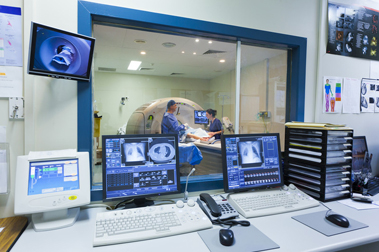
However, clinical trials need to be documented clearly so they can be really benefited from – and that involves a good deal of transcription. Medical transcription services are available for clinical trials, as part of pharmaceutical transcription. The Good Clinical Practice (GCP) indicates that clinical trial information should be recorded and handled in a manner that facilitates accurate reporting, interpretation and verification. The essential documents are those that allow the clinical trial to be conducted and the quality of the produced data to be evaluated. The documents should also show that the trial was conducted in accordance with the concerned regulatory requirements.

Documents Needed for Clinical Trial

Precision and accuracy are important when it comes to clinical trial documentation. Documents such as the following are needed before the commencement of the trial:

  • Investigator’s brochure
  • Signed protocol
  • Informed consent form of the trial participants
  • Signed agreement between the concerned parties
  • Insurance statement
  • Financial arrangements
  • Documented opinion of the concerned authorities

Other documents needed during the trial process include, among others:

  • Updates of the tests
  • Visit reports
  • Case report documentation
  • Notification of adverse effects

Following the conclusion of the trial, the documents needed include

  • Treatment allocation
  • Investigational product destruction documentation
  • Clinical study report

Transcribing Clinical Trials

Information is critical in clinical trials, and all original records and certified copies of original records and transcripts of clinical findings, observations, discussions, and other activities in a clinical trial are necessary for the reconstruction and evaluation of the trial. These comprise the source data along with hospital records, lab notes, clinical and office charts, memoranda, subjects’ diaries, pharmacy dispensing records, recorded data from automated instruments, x-rays and so on. Discussions, interviews, video and other recordings related to clinical trials have to be accurately transcribed and maintained to ensure the findings from the trials truly benefit pharmaceutical and medical research.

Accuracy and Security Ensured by an HIPAA-compliant Medical Transcription Company

Files are accepted for transcription in comprehensive formats including MP3, MP4, MPEG, DIVX, WMA, WMV, AIF, DOC, PDF, RTF, XLS, and so on. Experienced transcription companies have transcribers trained in medical terminology and concepts to ensure the transcripts are accurate. Clinical trials could deal with complex medical concepts, and transcribers need to be specifically trained to be able to sensibly transcribe the data which would potentially help uncover a cure for a serious health condition, or develop a medical device for more successful surgical interventions. The transcribed findings may have to be presented at a conference or symposium, and also be channeled to medicine or medical device research.

As important as accuracy is security. Clinical trial records include confidential health information of trial subjects, which must be protected under HIPAA norms. Any failure here could result in massive legal penalties. Reliable transcription companies, particularly those involved in healthcare transcription, employ high tech encryption technology as well as working procedures to ensure security of the data.

With the right research medical transcription services partner, recordings associated with clinical trials can be transcribed more efficiently and securely, improving resource savings for pharmaceutical companies, streamlining new product releases, and benefiting healthcare at large.

Radiology Transcription and Its Importance

Radiology TranscriptionRadiology is a science that studies radiation emitted images to diagnose and treat specific diseases. A patient’s condition can be understood clearly with imaging technology and better treatment   provided. Radiology transcription involves creating a written format of the radiologist’s oral report on the outcome of a medical imaging. These reports are important for the patient’s file and also for sharing with other care providers if necessary. The content of a radiology transcript includes the patient’s name, identification number, demographic details and information about the nature of the test and its outcomes.

A transcriptionist takes clear and accurate notes from what radiologists dictate, which is based on the interpretations of the scanning devices such as MRI, X-rays, ultrasound and CT scans. Transcriptionists record the details of each patient’s health condition and the information is referred for further treatment or at the time of any treatment dispute.

Requirements in Radiology Transcription

The aim of radiology transcription is to provide accurate and clear reference details of the patients to the physicians. A radiology transcript would include

  • Case study
  • Procedures of diagnosis
  • Description about the imaging equipment used
  • Views and process of observation
  • Overall findings

The information written in the transcript should be sharp and accurate and the transcriptionist should be knowledgeable in   radiology technology to understand specific details.

Radiology Transcriptionists Require Special Skills

Radiologists work in many areas such as Immunology, Pulmonology, Cardiology, and Orthopedics. An expert team of transcriptionists who have good knowledge about medical terminology related to radiology as well as other medical specialties is the strength of radiology transcription services. They listen to and understand radiology dictations with utmost care and provide well-written transcripts.

The skills a good radiology transcriptionist should have are :

  • Years of experience in radiology transcription
  • Sharp listening skills
  • Capability to provide transcripts quickly and also to work well under pressure
  • Should be familiar with various medical practice software
  • Excellent typing speed with accuracy and report production skills
  • Ability to provide client- oriented service

Hiring a medical transcription company with many years of experience in the field can help radiologists handle massive volumes of transcription. They ensure accuracy and fast availability of transcripts so that physicians can make their clinical decisions quickly.

Curbing Diagnostic Errors in Healthcare Practices

Curbing Diagnostic ErrorsDiagnostic errors are a persistent problem in healthcare practices. We have seen earlier how diagnostic errors are a top concern in the healthcare industry. The National Academies of Sciences, Engineering and Medicine, recently published a report entitled ‘Improving Diagnosis in Healthcare,’ which explores the ways to curb diagnostic errors in healthcare practices. According to the members of the writing committee, people experience at least one diagnostic error in their lifetime with sometimes serious consequences. The report explores the significance of accurate clinical documentation, the role of nurses and how EHR documentation is helpful. Let’s consider the highlights of this report and see how medical transcription is significant.
The Committee articulated eight goals to curb diagnostic errors in healthcare practices such as:

  • Ensure more effective teamwork during the diagnostic process
  • Improve healthcare professional education and training in the diagnostic process
  • Make sure that health information technologies support patients and healthcare professionals during the diagnostic process
  • Develop and employ approaches to detect, learn from and reduce diagnostic errors as well as near misses in clinical practice
  • Establish a work system and culture that can support the diagnostic process and enhancements in diagnostic performance
  • Develop a reporting environment and medical liability system that support enhanced diagnosis via learning from diagnostic errors and near misses
  • Deploy a payment and care delivery environment that supports the diagnostic process
  • Provide funding for research on the diagnostic process and diagnostic errors

Role of Clinical Documentation and Nurses

There are four types of information gathering activities in the diagnostic process as per the committee such as taking a clinical history and interview, conducting a physical exam, obtaining a diagnostic testing, and sending referrals or consultations to the patient. Clinical documentation contains the patient’s clinical history and symptoms, physical findings, the results of diagnostic testing, medications and therapeutic procedures. There would be a separate medical chart associated with each facility from which the patient seeks care. When the patients change their source of care, information maintained by the previous clinicians may or may not be incorporated into the record or there would be significant changes. Healthcare facilities should not only remain alert while documenting the information, but also track them carefully.

Nurses play a key role in the diagnostic process as they facilitate communication with the patient by asking about their history, actively listening to a patient who describes his/her reasons for a visit, documenting patients’ symptoms, assessing vital signs, and conveying this information to other team members. They should remain as full and active members during this process to present their observations and conclusions to other team members. Accurate and comprehensive documentation via nursing transcription is vital to avoid diagnostic errors.

Improving EHR Documentation to Prevent Diagnostic Errors

Accurate clinical documentation via electronic medical records can provide the following opportunities to reduce diagnostic errors such as:

  • Easy access to information with improved selectivity of information searches
  • Provides a space for recording and sharing assessments
  • Maintain dynamic patient history
  • Maintain problem lists
  • Track tests and medications
  • Ensure coordination and continuity
  • Enables follow-up
  • Provides feedbacks and prompts
  • Increases efficiency

However, the EHR documentation is still challenging due to limited narrative description and risk of copy and paste errors. Healthcare professionals may copy the information from a patient’s history from one document to another to reduce their time and frequent copy pasting information results in inadvertent errors, which in turn increases diagnostic errors and near misses. EHR transcription or a combined approach of EHR and medical transcription is therefore effective at reducing diagnostic errors. This type of transcription is provided by medical transcription companies that offer the service of trained medical transcriptionists. This enhances the accuracy of diagnostic data. Practices also get to enjoy valuable savings in terms of money, effort and time.

Why Emergency Room Visits Increase during Holidays

Emergency Room VisitsHolidays are a time of celebration, enjoyment, and thanksgiving that people love to spend with family and friends. But with all the hustle and bustle, people often end up in emergency rooms when they fail to notice the basic safety measures. Emergency rooms see an increase in the number of patients who seek treatment during holidays. The reasons for ER admissions during holidays are sometimes funny, and even weird. The more crowded emergency rooms become, the more is the need for emergency room medical transcription and the support of a reliable medical transcription company to manage any transcription overflow. The ER is a high stress area for physicians who need to generate various kinds of accurate medical reports that are very important from the point of view of patient safety and quality care.

Here are some of the common accidents during holidays that can lead to ER visits, which primary care physicians can caution against.

Decoration-related Injuries

Falls often happen from ladders while decorating Christmas trees or hanging lights. These falls are dangerous and can necessitate a hospital admission. It is important to be very cautious while using ladders and follow safety measures. The ladders should be kept firm on a level surface and ideally someone should hold the ladder when the person doing the decoration is on it. The ladder can be positioned in such a way as to avoid too much leaning or reaching out.

Injuries Associated with Food and Cooking

Roasting turkey is a popular tradition when families come together during winter holidays. Taking necessary safety measures while cooking and baking such as use of mitts or folded napkins to handle hot pans will help avoid burns and injuries. Misuse of knives and carving utensils is another dangerous tendency that can cause cuts and hand lacerations. This is a common injury that increases the number of visits to the emergency room. A flat surface and proper cutting boards are necessary to avoid any cuts.

Another major problem is food poisoning caused due to undercooking, overeating, over drinking and consuming leftover food. The CDC (Centers for Disease Control) warns that 76 million cases of food poisoning occur every year in the United States. Most cases are mild, but at least 325,000 people are hospitalized following food poisoning.

To avoid this, a thermometer can be used while cooking meat; warmers or ice buckets can be used when organizing a buffet style dinner; importantly, people need to watch what they are eating to avoid indigestion and irregular heart palpitations.

Substance Abuse Related Visits

Alcohol poisonings and problems caused by abuse of prescription drugs are rampant during holidays with a lot of partying around. Prescription drugs should be kept away out of reach of children. It is important to monitor alcohol use and stick to one’s limits when consuming alcohol. Accidents related to intoxication and drug abuse can be avoided by not driving or using a taxi service for transportation.

Stress-related Health Issues

Holidays inevitably involves a number of social get-togethers, and hectic preparations for the holiday season. This can be really stressful and take a toll on anyone. This is why there is an increasing incidence of panic attacks, depression and anxiety disorders during the holidays. To avoid ER visits associated with such health issues, it is important to sleep well, relax and maintain a balanced diet and exercise schedule. Elderly people need special care and it is essential to monitor their medication and keep immediate medical facilities ready to avoid emergency situations.

Naturally, with more accidents, injuries and health issues associated with the holiday season, ERs should be more prepared to take on the increased documentation challenge.

Meeting Emergency Room Transcription Overflow Efficiently

Given the large number of ER visits during holidays and possible staff shortage, emergency departments can assign the task of documenting ER STAT reports to a good transcription service provider. This will help to efficiently handle the unexpected fluctuation in transcription volume during the holiday season. Today’s healthcare landscape is tech driven, and a good service provider will work with any EMR/EHR, providing EMR-friendly medical transcription services that are HIPAA and HL7 compliant. Emergency departments can request for the STAT report to be delivered within quick turnaround time of 2/4/6/8 hours, which may not always be feasible if the transcription is done in-house.

Documentation of Opioid Dependence Diagnosis Crucial for MMT

Opioid Dependence DiagnosisMethadone maintenance treatment (MMT) is the most widely known therapy for opioid dependence, which is a chronic relapsing disease that requires lifelong treatment. According to the American Society of Addiction Medicine (ASAM), there is evidence that suggests that MMT is more effective than withdrawal management alone and significantly reduces opioid drug use. However, proper diagnosis of opioid dependence and its accurate documentation via medical transcription is crucial to identify safety risks with this treatment and mitigate and manage the potential adverse effects effectively. Let’s see how documentation plays a crucial part in different stages.

The foremost step before admitting a person into MMT is the initial screening for the probability of opioid dependence. Primary care physicians can perform physical examination to identify the signs of drug use that may be present such as puncture marks from intravenous injection, abscesses, or cellulitis. They can also ask the details about the present and past behaviors and condition of the patient to prepare the history report. Thus, the physical examination and history report should include all the findings of the physical examination and the patient’s history of narcotic use. The referring physician can use this information to determine whether the patient should be admitted to MMT.

There are two main issues while determining whether MMT is the appropriate treatment for a person. The first is whether that person meets the eligibility criteria (for example, minimum age requirements, history of physiologic dependence on a narcotic and more). The second issue is whether there are any other alternative treatments that are equally well or better suited according to the needs and preferences of the person. Physicians can make use of well-documented medical history to better assess the opioid dependence and address these issues more effectively. The history reports include:

  • Screening for concomitant medical conditions and routine identification of medications
  • Allergies, pregnancy and family history
  • History of infectious diseases (hepatitis, HIV and TB) and acute trauma
  • Substance use, addictive behavior and addiction treatment history
  • Any previous history of pharmacotherapy
  • Social history and assessment of readiness for change including identification of any facilitators and barriers

If MMT appears to be the treatment of choice even after considering these factors, two additional steps need to be performed before finalizing the treatment decision such as:

  • Opioid use must be verified through urine drug screening
  • There must be a diagnosis of opioid dependence made by the physician who is to take the final decision regarding MMT

Urine testing combined with history reports can help physicians to identify other substances that have been consumed recently. The findings from the urine testing and other diagnosis must be documented well to assess them with the history reports and confirm there are no safety risks with MMT.

In short, opioid dependence diagnosis includes a comprehensive assessment that covers the patient’s history, physical examination and laboratory tests and it requires comprehensive and accurate documentation at each phase. Though electronic medical records or EHRs can enhance the efficiency of documentation, it can still affect the accuracy and comprehensiveness of documentation due to limited narrative description and inadvertent errors due to frequent copy pasting. A combined approach of EHR and transcription that involves transcribing the physician’s recordings and populating the transcribed data into appropriate EHR fields would be a better option.

  • KEY FEATURES

    • 3 Levels of Quality Assurance
    • Accuracy Level of 99%
    • All Specialties Covered
    • Competitive Pricing
    • Digital Recorder Dictation
    • Electronic Signatures
    • Feeds for EHR or EPM
    • HIPAA Compliant Service
    • Quick Turnaround Time
    • Toll Free Phone Dictation
    • Transcription Management Software
    • Volume Rates Available
  • RECENT BLOGS

  • Categories

  • Quick Contact


    • Infographics