
Even With Advances in EMR, Medical Transcription Still Very Much Part of the Healthcare Industry

Advances in EMRWith the introduction of electronic health records (EHR), many believed that medical transcription will be wiped out from the healthcare field. But medical transcription still continues to exist and grow as many segments of the medical community are likely to continue using the dictation – transcription model. Physicians who have to communicate with an agency or professionals outside of their healthcare setting/practice may require medical transcription service. The conventional transcription model continues to be useful for providers called to provide a second opinion, and those who are performing examinations for workers’ compensation and disability claims, and insurance companies.

When EHR systems were implemented, EHR vendors projected traditional transcription as an outdated and costly method of transcription. They tried to convince physicians to use the new innovative system to generate error-free medical records. But now, with electronic medical record systems, the physicians have to spend more hours on their computers to document patient records themselves, and spend less time with their patients. Most doctors are frustrated with spending their valuable time entering data into the computer.

  • The physician has to enter all the key strokes
  • Switch between many screens to enter the patient data
  • View multiple tabs within the screens
  • If using a speech recognition system, they have to spend considerable time learning how to dictate correctly, do the dictation, and ensure that the dictation is clearly recognized by the system
  • Handle excessive alert fatigue from the electronic medical record
  • Focus on sections/subsections within each screen to make sure that all data has been captured correctly. This is important from the point of view of ensuring revenue integrity and accuracy in coding.
  • Ensure that all QA criteria are addressed efficiently

The excess administrative burden imposed on doctors has also affected the quality of patient care, reducing the time for face-to-face consultation and leading to poor performance of the physicians. Some doctors have even employed new assistants called medical scribes to help them with EHR documentation. Other doctors have reverted to the old transcription method and have a medical transcriptionist either transcribe their dictated notes to be attached to the patient’s EHR, or enter the data directly into the EHR.

Voice recognition technology yet has shortcomings. It is an expensive setup and is prone to make errors when used in noisy places. It cannot recognize more than one voice and cannot determine disorganized dictation, poor grammar, or missing/over used punctuation. It requires human intervention to ensure accuracy of the medical records and therefore medical transcription continues to grow.

Consider the highly significant role played by clinical documentation in any patient’s care. In the present healthcare scenario, providing high quality care to a patient is often complex and may involve multiple providers across multiple care settings. Since this type of physician involvement is becoming increasingly important with the introduction of value-based payments and bundled payments, high quality clinical documentation is also imperative and should accurately capture all patient details. Surely, point and click data capture cannot ensure this because the narrative should include the physician’s critical judgment and insights. Other disadvantages of EHRs include:

  • EHR-based clinical documentation mainly serves the purpose of capturing the necessary clinical terms needed to perform accurate coding and billing. It provides more or less incomplete patient details. This will lead to diminished quality of care.
  • Studies show that EMRs persuade physicians to make defensive documentation or superfluous documentation. There is an excessive use of the copy and paste function that is risky, and also does not add any significant value to the medical document.

In order to attain error-free medical records and efficient medical documentation, a blended approach combining medical transcription and EHR system would be the ideal option. Physicians can continue to dictate their notes, and transcriptionists in the partnering medical transcription service company can access the physician/hospital EHR system, transcribe the notes and enter the details in the electronic health record. Reliable medical transcription outsourcing companies use HL-7 interface to provide EHR-integrated medical transcription to healthcare providers.

New Requirements Point to Need for Improved Radiology Reporting

Radiology ReportingThe radiology report is an integral part of the medical record and must accurately convey the diagnosis and critical information about the patient’s condition and needs. Radiology transcription companies play a crucial role in ensuring this. Dedicated reports of radiographic examinations need to have all the information necessary to justify diagnosis, course of illness, management, and treatment.

Today, physicians, insurers, and patients are demanding even greater consistency and organization in imaging reports. Diagnostic Imaging recently reported on this requirement for improved radiology reporting, which is driven by new payment systems and increasing quality reporting requirements of the Centers for Medicare & Medicaid Services (CMS). Moreover, as referring physicians are short on time, they need precise, informative reports that will help them take quick and accurate decisions about care.

Radiologists are facing many new challenges when it comes to ensuring high quality, imaging reports that promote the most informed patient care decisions. Such informative reports are critical for oncologists trying to diagnose if a patient has cancer or to determine the stage of a malignant tumor as well as about tumor location and metastasis.

Radiology transcription service companies provide affordable, quick and accurate transcripts of radiologists’ dictation, but today, there is the challenge meeting provider demands for electronic medical record integrated transcription. According to the report in Diagnostic Imaging, other key issues that radiology centers face when drafting reports are:

  • Avoiding clinically significant errors
  • Providing clinically meaningful and actionable information
  • Answering all clinical questions
  • Providing clarity in diagnoses
  • Using new technologies to upgrade and update reports

In addition to stressing the need for succinct radiology reports with easily-identifiable information, the Centers for Medicare & Medicaid Services (CMS) requires that the reports sent to referring physicians should include three additional quality measures:

  • Appropriate follow-up for incidental abdominal findings
  • Appropriate follow-up for incidental thyroid nodules
  • Utilization of CT dose-lowering techniques

According to CMS guidelines, radiologists must prioritize clinical considerations in the report as well as include patient history and notes.

In interactive reporting, one of the latest developments and preferred options in radiology, clinicians can use hyperlinks to go directly to imaging findings, measurement tables and graphs. A 2015 study by experts at the NIH Clinical Center Radiology and Imaging Sciences Department found that 85% of oncologists and 77% of radiologists prefer more interactive reporting, which is especially useful with picture archiving and communication systems (PACS). Multimedia enhanced radiology reporting (MERR) includes hyperlinks as well as other digital capabilities for easier information transfer. Recent studies also show that radiologists are experimenting with more standardized reporting.

Experts say that, in the future, it is likely the PACS system will be used as the EMR, providing a comprehensive platform for reporting, treatment options, and follow-up. As radiologists and physicians adapt to new protocols, they can rest assured that US based medical transcription companies will customizes their services to meet these changing requirements.

Study Shows Reliable Medical Transcription Services Prevent Drug Errors

Prevent Drug ErrorsUp to 27 percent of nursing home residents are victims of drug errors, according to a Pharmaceutical Journal report based on a study published online in the 21 November 2016 issue of the Journal of the American Geriatrics Society. Among other things, the researchers found that errors in transcription had caused medication errors. This highlights the importance of reliable medical transcription services to ensure accuracy in medical records.

The team performed a systematic review of 11 studies published between 2000 and 2015 into the incidence of medication errors in nursing homes leading to hospitalisation or death. The population comprised thousands of were mostly female residents of nursing homes. About half of the subjects had a dementia diagnosis or cognitive impairment along with several comorbidities. The data showed that:

  • 16-27% of residents were affected by medication errors, 13-31% by transfer-related errors, and 75% of residents had been prescribed a potentially inappropriate medication.
  • Errors occurring at transfer of care were more often the result of drug omissions due to errors in medication histories, transcription mistakes, unavailability in pharmacy, and repeat errors.
  • Though death was rare, medication errors causing mild effects ranged from 42-60%, moderate effects, from 3-36%, severe effects from 0-1%.
  • The most frequent medication error was wrong dosage, and this was likely to cause the most harm.

The only consolation was that the proportion of cases causing serious harm including death was “surprisingly low”. The researchers recommend that nursing homes need a more sophisticated error recording system and better collaboration among healthcare personnel to prevent drug-related mistakes.

Many studies have reported medication errors due to documentation. A study published in 2011 in BMC Health Services Research which was based on a Swiss University Hospital, revealed that documentation errors occurred in 65 of 1,934 prescribed agents (3.5%). The incidence of patient charts with at least one error was 43%. Prescribing errors were found 39 times (37%), transcription errors 56 times (53%), and administration documentation errors 10 times (10%). A large proportion of errors was due to handwriting illegibility and occurred when prescriptions were transcribed into the patients’ chart.

Today, in the US, the adoption of electronic health records (EHR) and medical transcription outsourcing have overcome the problem of illegible physician handwriting. Dictation and EHR-integrated transcription are proving a feasible solution to document patient care. The expert teams in established medical transcription companies are well-versed in medical terminology and capable of understanding physicians’ orders, including drug prescriptions. Experienced transcriptionists can ensure complete, error-free medical documentation of patient history, examination, referral notes, and educational and instructional discussions. Such accurate documentation promotes patient safety and is supportive for physicians in the defense of malpractice claims.

To learn more about Drug Errors we have written a new blog “Drug Errors on the Rise in Nursing Care as well as in Homes” on July 24, 2017

Emergency Room Electronic Health Records – Medical Transcription Outsourcing could Prevent Data Entry Errors

Emergency Room EHRThe electronic medical record (EMR) is a powerful tool that enables the treating physician to track the patient’s medical history and detect patterns or problems, and provide quality health care. Medical transcription outsourcing is a reliable option to ensure accuracy in this living document that tells the patient story. Recent reports indicate that emergency room (ER) electronic health records (EHRs) are prone to errors, which makes quality emergency room medical transcription services really crucial.

Emergency Room EHR Data Entry Issues

Earlier this year, Kaiser Health News reported that electronic records in the ER are breeding grounds for error. The main reason is the chaotic and stressful environment in the ER, where physicians and nurses have to grapple with providing emergency care while entering data in the digitized record systems. According to the report, “poorly designed electronic health record systems are prone to human error, especially in fast-paced emergency room settings”. The patient safety errors that tend to occur are:

  • Patient misidentification leading to data entry in the wrong file
  • Clicking on a wrong number, resulting in ordering wrong medications or wrong dosages
  • Technology mismatch due to the push for interoperability, which is difficult in ER here things happen fast
  • Providers need to attend multiple cases, which can be confusing and lead to data entry errors
  • EHR model may not be designed for ER use
  • Confusing computer displays
  • Missing key patient information
  • Many systems allow doctors to edit the medical record for only one patient at a time, which makes it harder to keep track of things

The report says that ER EHRs have resulted in new categories of patient safety errors that didn’t exist before.

How Outsourcing Medical Record Documentation can Help

Emergency room medical transcription services can play a crucial role in helping to make the EHR a useful tool for ER healthcare providers. They have expert transcriptionists who can transcribe physician dictation in custom turnaround time – 24 hours or STAT: 2 hours, 4 hours or 6 hours. They accept dictation in various formats such as digital recording or toll-free telephone and provide accurate EHR-integrated transcripts. Partnering with an experienced service provider with a user-friendly document management system can help busy ER physicians avoid data entry errors and manage the patient record efficiently.

The transcription team in a reliable company would be well-versed in the terminology relating to various specialties and can provide error-free, instant reports showing the progress of each file.

Manufacturers should focus on making EHRs useful for the specialty they serve and ensure interoperability among healthcare facilities anywhere in the country. Their design needs to be modified so that errors are minimized and repetitive templates of unnecessary clinical information are eliminated. Professional emergency room medical transcription services can help physicians ensure complete and accurate medical records will meet all legal, regulatory and auditing requirements, and most importantly, contribute to comprehensive and high quality care for patients.

Seamless RIS and PACS Information Sharing for Optimal EHR Documentation

Optimal EHR DocumentationCompared to other specialties, radiology centers have distinct documentation and medical transcription service requirements. These include the need for frequent viewing, electronic ordering of procedures, appropriate patient data for effective information-based decision making, report generation facility, and support for quick notification of the ordering physician about time-sensitive critical findings. Experts say optimal electronic health record (EHR) documentation can be achieved through seamless radiology information system (RIS) and picture archiving and communication systems (PACS) integration and information sharing among all members of the health care team.
RIS is the core system for the electronic management of imaging departments, with functions covering patient scheduling, resource management, examination performance tracking, examination interpretation, results distribution, and procedure billing. PACS ensures the immediate availability of images, which is as important as distribution of the radiologist’s analysis of the images.

Today, radiology department workflow is impacted by EMR workflow for order entry and clinical management. While radiology transcription service providers offer accurate and timely dictation capture, integrating RIS, PACS and EMR is crucial to ensure efficient interoperability. Health level seven (HL7) messaging provides the basis for integrating data from RIS and PACS into EHRs.

Effective information-based decision making depends on having patient data at the provider’s fingertips. However, integrating the RIS, PACS and the medical record has become a challenge for many hospitals and health systems. According to a 2015 Becker’s Hospital Review report, the following three considerations are crucial for efficient PACS-EHR integration:

  • Flexible and customizable systems: Every PAC and RIS system that a hospital or healthcare system uses needs to be linked to the EHR used by the hospital, outpatient facilities, and the referring practices. Providers need a flexible and customizable integration solution to connect to multiple vendors, as well as different internal and external legacy systems.
  • Minimal workflow disruptions: The integration solution should not affect patient care delivery workflow or involve excessive downtime.
  • Cloud-based healthcare strategy: A radiology healthcare strategy that is located in the cloud can cut costs, boost workflow, and enhance organizational efficiency while maintaining HIPAA compliance. Cloud solutions drive scalability and flexibility and can address changing needs on an ongoing basis.

Radiology EMR vendors offer a variety of customized pre-designed templates for nuclear radiology, radiation oncology, gastrointestinal radiology, interventional radiology, breast imaging, chest radiology, cardiovascular radiology. As vendors move towards integrating RIS/PACS into a single product for a single, integrated workflow, radiology transcription service companies offer EMR interface solutions for dictation capture and import of documents into EMR, PACS or RIS systems. These EMR integrated solutions provide value to the imaging process and generate imaging reporting results which significantly impact the patient’s clinical outcome.

Efficient Clinical Documentation Solutions Needed to keep up with Progress in Neurology Research

Efficient Clinical DocumentationWith the rapid adoption of electronic medical records (EMRs) in the U.S., medical transcription companies have become experts in providing physicians with EMR-integrated documentation, including customized solutions for specialties like neurology. Today, research is focused on better understanding and diagnosing PD and developing new treatments. According to the latest reports, stem cell therapies for brain disorders like Parkinson’s disease are quickly progressing toward clinical trials. Medical News Today reported on studies conducted in this area by two teams from Lund University and the Karolinska Institute in Stockholm, whose work was published in the journal Cell Stem Cell.

A degenerative disease of the central nervous system, PD is a chronic, progressive movement disorder. It affects the vital dopamine-producing brain cells or neurons in a part of the brain. Described as a chemical messenger, dopamine is essential for controlling movement. When PD progresses, the dopamine-producing cells break down and die, causing problems with movement, tremors in the hands, limbs, jaw, and face, stiffness, impaired balance and speech problems.

As the neurons in the brain die, they are not replaced. Researchers are looking to stem cell engineering to transplant progenitor cells into the brain so they produce new dopamine cells. Their main challenge is to ensure the quality of the cells before the transplant so that they achieve proper development once they are inside the brain. While one team used global gene expression techniques for this purpose, the other used transcriptome-wide single-cell RNA sequencing techniques to carry out a detailed study of how dopamine cells develop in the brains of mice.

According to a study published in Neurology Clinical Practice, there is a lot of scope for improving EMRs used in neurology practices. The reason is that the evaluation, management, and follow-up of patients with neurologic diseases are unique processes which include:

  • A complex physical examination for diagnosis and follow-up
  • Use of electromyography [EMG]/nerve conduction studies [NCS], EEG, evoked potential studies, all of which are specialty-specific
  • Extensive utilization of MRI, and CT scanning
  • Use of videotaped exams to assess movement disorders
  • Use of patient-recorded videos or pictures in the medical record
  • Importance of patient documentation of episodic complaints such as migraines, seizures

Even minor inconsistencies in neurologic documentation can drastically affect the care or treatment decision of a complex patient. The support of an experienced medical transcription service provider can be very useful to ensure effective EMR documentation, especially with neurologists and researchers constantly seeking effective ways to diagnose and manage patients with the condition. Efficient neurology transcription services can help these specialists manage their heavy documentation and disease management challenges by ensuring a complete and accurate medical record for each patient.

Significance Of Medical Documentation For Spine Injuries

Medical Documentation For Spine InjuriesAccurate and good medical documentation promotes better medical care and patient safety. This is very important in all types of orthopaedic conditions including Spine Injuries. Recording all relevant information of a patient’s care on EMR or by dictating and getting it transcribed by a medical transcription company helps practitioners monitor what’s been done and also minimize the risk of errors in treatment. Keen attention to minor details reduces the chances of patients returning to the hospital.
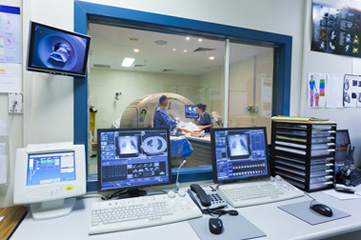
Quality Medical Documentation for Disc and Ligament Injuries

As for any other disorder, accurate and timely medical documentation is important for spine injuries. Today, many insurance companies deny coverage for spine injuries or bone graft substitutes, but with error free medical documents reimbursement becomes easier. Neck injuries and cervical spine joints are also common injuries in car accidents. For proper treatment, imaging of spine is essential as it allows the provider to accurately diagnose the condition.

Every medical provider may have a license but specialization is important for more precise diagnosis, prognosis and management. To determine causality, the provider should identify as to what tissue is injured, and also use imaging for age-dating to determine when this injury occurred. In fact, proper physical evaluation and documentation of the cause of the injury is crucial to support a comment on the cause of the injury.

For example, take disc herniation. In a study on the classification of lumbar disc pathology published in 2001, the authors pointed out that simply reporting the term ‘herniated disc when documenting spine injury does not “infer knowledge of cause, relation to injury or activity, concordance with symptoms or need for treatment”. In the absence of significant imaging evidence of associated violent injury, disc injury should be classified as degeneration rather than trauma. This will allow trauma trained doctors to proceed with the treatment on the basis of clinical findings, and the understanding the every patient’s physiology is unique.

A disc is a ligament connecting a bone to bone and it has structural responsibility to the vertebrae above and below to keep the spinal system in equilibrium. Therefore a minor damage to disc can cause abnormal load bearing forces at the injury site and other health issues. Therefore, accurate medical documentation of spine injury is essential for timely diagnosis and appropriate therapeutic interventions.

Accurate and timely documentation through EMR or medical help in creating error medical documentation, which ensures the following benefits:

  • Assures continuity of care as it serves as a communication tool among healthcare providers
  • Allows proper evaluation of the patient’s condition and planning of treatment
  • Creates a permanent record for patient’s future care
  • Substantiates billing
  • Create a database to evaluate effectiveness of treatment
  • Useful for justifying or defending care provided
  • Facilitates research

Documentation is always critical for continuity of care of spine injuries as well as in medical billing and coding for the same.

Radiology Transcription via Speech Recognition Technology – Improves Accuracy

Radiology TranscriptionRadiology transcription involves transcribing recordings of imaging studies such as computed tomography (CT), magnetic resonance imaging (MRI), nuclear medicine, X-ray exams, ultrasound and so on. It is on the basis of the imaging study that the radiologist prepares a report summarizing the findings and impressions. Apart from having the reports prepared by human transcriptionists, hospitals and other healthcare organizations also use speech recognition technology nowadays to obtain transcripts. Before going on to the question of accuracy of transcripts prepared by the software system, let us consider the content of radiology reports. The sections within a radiology report include the following, and may contain complex medical and anatomical terms.

  •  Type of Exam: This section indicates the type of imaging exam along with the date and time.
  • Clinical History: This contains patient information such as age, gender, relevant clinical information including any health condition and symptoms, any suspected/known diagnosis, and indication/reason for the imaging study, and the clinical question being asked.
  • Comparison: This section will list the comparison of the patient’s imaging study with any of his/her previous imaging studies.
  • Technique: How the imaging study was performed (will also include whether or not a contrast material was used).
  • Findings: The radiologist’s observations and findings regarding the specific areas of the body examined in the imaging study – whether normal, abnormal or potentially abnormal.
  • Impression: This is the most important part of the radiology report because here the radiologist provides a diagnosis combining the findings, clinical history of the patient and indication for the imaging study.

Radiologists rely on in-house radiology transcription or outsourced radiology transcription service to get the transcripts of their audio recordings. However, as mentioned earlier, with increasing digitization in the healthcare sector, EHRs and automatic speech recognition technology are also occupying central stage now. Radiology reports need to be highly accurate to ensure appropriate medical decision making. The question is how effective and accurate is speech recognition technology compared to a human transcriptionist?

A study published in JACR (Journal of the American College of Radiology) examined the frequency and spectrum of significant dictation errors in finalized radiology reports generated with speech recognition software. It was found that around 78% of reports contained no significant errors whereas 22% contained errors. No significant error rates were noticed between native and non-native English speakers or between reports dictated by faculty members alone and those dictated by trainees and signed by faculty members. The most common errors were nonsense phrases, missing words and wrong word substitution. The study authors conclude that more than 20% of the reports they examined contained potentially confusing errors, and most radiologists believed that report error rates were much lower than they actually were. The researchers say that knowledge of the frequency and spectrum of errors should increase awareness of this problem and facilitate methods for report improvement.

According to The Joint Commission, speech recognition technology despite its many benefits can lead to adverse outcomes. The issues with this technology include:

  •  Inappropriate use and expectations of the capabilities of this technology
  • No standards for style, grammar and readability; minimal certification standards, continued education or professional development of transcriptionists
  • Mismanagement of speech recognition technology with degradation of translation accuracy over time
  • Unclear roles and standards for transcription editors

Apart from the above mentioned issues, comprehensive QA and process improvement programs for healthcare documentation are insufficient and lead to minimal regulatory oversight, lack of liability and inadequate monitoring of documentation processes.

So what are the reasons for these errors?

  •  Human factors such as voice accent and tone that have an impact on the translation of the speech recognition into the medical record.
  • When the physician has to edit the transcript prepared by the software, they may not always have the time to edit and proofread the transcript.

Various steps have been suggested to ensure accuracy of medical transcripts in general, which are relevant to radiology transcription as well.

  •  QA at every step of the voice to text process. This should include best practices in dictation, good audio quality, continuing education, and maintaining all aspects of the technology.
  • Ensure that all documentation authors and transcription staff are knowledgeable regarding policies and procedures.
  • Focus on developing critical thinking skills in the transcription team.
  • Have clear guidelines for implementing dictator style preferences, and better awareness of technology such as electronic health record.
  • Encourage using the AHDI’s Book of Style for medical transcription.
  • Have guidelines to handle blanks, discrepancies and inappropriate use of verbatim transcription.
  • Create policies and procedures to monitor quality of documentation produced by clinicians either via keyboard or speech recognition.
  • Establish policies and procedures for monitoring quality of documentation produced by clinicians using free-text entry via keyboard or speech recognition.
  • Have a feedback policy for medical transcriptionists and authors that is education based. All errors should be identified in their particular context. Keep track of improvements made after intervention and identify any trends.
  • Ensure quality assessments at appropriate intervals.
  • Evaluate distinctive factors that affect the outcome of the documentation process – workflow, technology and turnaround time.
  • Encourage medical transcription and medical records departments to have ongoing quality improvement programs.

Radiologists can implement effective quality assurance measures and also ascertain that all issues associated with outsourcing medical transcription are addressed efficiently. This will help obtain accurate radiology reports and ensure the most appropriate medical decision making.

Outpatient Orthopedic Services Gaining Popularity

Outpatient Orthopedic ServicesWith the aging of the baby boomer generation, the field of orthopedics has grown significantly over the past few years. Faced with an increase in patients, rising costs, and changing industry rules, more and more orthopedic practices rely on outsourcing medical transcription, coding, and revenue cycle management to remain competitive. A recent report in Ortho Spine News based on a Decision Resources Group (DRG) study reveals a new trend – outpatient orthopedic services are gaining popularity. This has several implications for the future of orthopedic care.

According to the DRG study, the number of Ambulatory Surgery Centers (ASCs) in the United States is rising steadily despite a longstanding discrepancy between hospital and ASC reimbursement. This reflects a general trend toward outpatient procedures. Outpatient orthopedic healthcare offers many benefits such as convenience and efficiency, patient and provider satisfaction, economic value, physician ownership and management, product innovation, and patient safety. The drive towards outpatient procedures is fuelled by many factors:

  • Advanced technology: New technologies are making orthopedic procedures easier and safer to administer in an outpatient setting. Ambulatory orthopedic electronic health record (EHRs) systems that support Meaningful Use come with advanced practice management features. They allow providers to manage medical billing services, e-prescribing, patient portals and more. With EHR-integrated orthopedics transcription services, physicians can create accurate patient reports in quick turnaround time. Ambulatory EHRs allow them to develop custom treatment plans for specific conditions, orders for surgery, therapy, prescriptions, referral letters, patient education, and more. Electronic medical records have improved accessibility to medical records and enhanced communication with radiology.
  • Minimally – invasive procedures: Innovations have made arthroscopy and related procedures minimally-invasive, so that they can be performed faster and more easily in an outpatient setting. Minimal recovery improves patient satisfaction which benefits surgeons. This is confirmed by a literature review published in the journal Orthopedic Reviews which found that outpatient orthopedic surgeries have improved rates of patient satisfaction and are also cost-effective. More orthopedic procedures are expected to become outpatient treatments in the future.
  • Pay for performance: The switch to value based reimbursement from the traditional model of healthcare reimbursement is aimed at reducing the rate of healthcare spending while improving patient satisfaction and outcomes. This is driving the growth of the ASCs as compared to traditional hospital based surgical care.
  • Price transparency: Transparency in costs of services is allowing patients to compare costs and choose from outpatient settings that provide low-cost, high-quality care. Moreover, the Centers for Medicare and Medicaid (CMS) now approve reimbursement for some surgical spine procedures performed in ambulatory settings.

Outpatient orthopedic procedures are found to be a safe and cost-effective alternative for patients who meet the eligibility criteria. However, in a Beckers ASC Review report published in August 2016, an expert pointed out that even in the outpatient model, increased complexity and the typical extended postoperative recovery will redefine how procedures are performed as well as the “length of day”.

Infectious Disease Forecasting for Better Preparedness – How Data-rich Electronic Health Records Help

Infectious Disease ForecastingInfectious disease is a major public health concern in the United States and across the globe. Coordinated and accessible data is imperative for understanding the patterns of these diseases, and this underlines the importance of error-free documentation with infectious disease medical transcription services. Forecasting the spread of infectious diseases is crucial to preventing occurrence.

The preparedness of public health systems was tested by 2014 Ebola outbreak in West Africa. Emerging diseases such as Zika and re-emerging ones such as measles also raises questions on how well prepared public authorities are to deal with infectious diseases.

A new study from the University of Georgia published in the Royal Society journal Interface provides the theoretical base for a disease forecasting system that would give public health officials time to be ready for outbreaks of certain infectious diseases in the future and even prevent them.

According to this study which is part of an initiative named Project Aero, the population is at risk of an outbreak when infectious diseases reach a critical tipping point at which each infected individual tends to pass the infection on to more than one other person.

The researchers suggest that the delay between the time when a disease outbreak becomes possible and when it actually happens depends chiefly on two factors:

  • how frequently infection is introduced to the population, and
  • how soon the number of cases caused by a single individual increases

“Depending on the disease, officials might use the time to try to increase resources for treatment, initiate a pulse vaccination campaign, or do whatever they think will most reduce the risk,” says one of the lead researchers.

It is well known that data from electronic health records (EHRs) is a valuable tool for medical and population health research, including infectious disease study. Today, medical transcription companies play a crucial role in ensuring the integrity of EHR data. Physician dictation is faithfully transcribed, thereby ensuring a rich database for researchers.

A 2014 report from Athena Health highlights the significance of real-time data from EHRs in helping local public health authorities monitor and provide guidance for influenza and other outbreaks. Accurate and timely infectious disease medical transcription is crucial for ensuring coordinated and accessible EHR data to help public authorities gain quick, actionable insights into the patterns of these diseases, where they are rising, and the ages that are most at risk. The key to effective disease monitoring is the connected, free flow of data between healthcare facilities and public health authorities. Expert EHR data entry by experienced medical transcriptionists goes a long way in achieving these goals.

  • KEY FEATURES

    • 3 Levels of Quality Assurance
    • Accuracy Level of 99%
    • All Specialties Covered
    • Competitive Pricing
    • Digital Recorder Dictation
    • Electronic Signatures
    • Feeds for EHR or EPM
    • HIPAA Compliant Service
    • Quick Turnaround Time
    • Toll Free Phone Dictation
    • Transcription Management Software
    • Volume Rates Available
  • RECENT BLOGS

  • Categories

  • Quick Contact


    • Infographics