Now, even with EHR systems, many doctors rely on medical transcription services for timely documentation of patient records. This is because with the introduction of EHR systems, most doctors tend to work long hours in order to complete their documentation. While physicians recognize the benefits of EHR, they also complain that many systems deployed nowadays are cumbersome to use and often act as obstacles when it comes to providing quality care. Junior doctors also claim that the excessive stress they experience could be putting patients at risk.
Pressure on Junior Doctors Affecting Patient Care
A report by the Royal College of Physicians reveals lack of basic facilities and gaps in nursing rotas pose challenges for junior doctors. A survey of 498 junior doctors shows that the current health and wellbeing of the junior doctor workforce is at a harmful and unsustainable level.
4 out of 5 junior doctors report that their job sometimes or often cause them excessive stress.
More than half of the respondents said that their job sometimes or often had a negative impact on their physical health.
1 out of 4 respondents said that their job has had a serious impact on their mental health.
Junior doctors pointed out that excessive workloads not only affect themselves but also the patient care they provide. The following are common factors that led to excessive workload and negative impact on patient safety and care.
Lack of basic facilities such as hospital beds (61%)
Poor patient access to social care (58%)
Nursing rota gaps (51%)
The survey also stated that the working conditions for many junior doctors fall short of what is needed i.e. limited access to food and water. The findings show that more than half of the junior doctors reported that they go through shifts sometimes without eating a meal; and nearly three quarters complained that they may have to spend shifts without drinking enough water. There is no doubt that poor access to basic facilities, excessive workload, and constant pressure of administration will lead to poor treatment of patients.
There are myriad ways in which medicine can enhance the lives of patients. The entire provider workforce must be able to enjoy good health, work in a stress-free environment and offer safe and effective care.
Reducing the Documentation Burden
A major factor that puts pressure on physicians is the EHR system, as mentioned at the outset. Studies show that physicians who use EHR tend to become disgruntled with the clerical tasks and are more likely to get stressed out. This is because physicians have to spend more hours on EHR documentation rather than devote valuable time to their patients. A provider of accurate medical transcription services can help create error-free transcripts of all physician notes in a timely and organized manner.
Medical transcription companies offer their services to ophthalmologists that help them maintain accurate medical records for patients with medical or surgical eye problems. Accurate medical documentation facilitates higher quality care and improved clinical outcomes. Like any other speciality physician, an ophthalmologist also records facts regarding a patient like their personal details, medical history, medications, allergies etc. At the time of patient encounter, ophthalmologists can dictate patient information using a toll free number, digital recorder, conference call recording or even a mobile phone and with the help of a transcription service provider or via in-house transcription these recordings can be transcribed into accurate medical records. This in turn improves workflow, facilitates better care co-ordination and improves the quality of patient care apart from proving to be helpful at the time of an audit.
Ophthalmologists need to conduct eye exams to detect damages to the eye, even those caused by underlying health conditions.
A diabetes patient may have developed eye problems such as glaucoma, cataract and diabetic retinopathy. These are revealed in an eye exam.
People with high blood pressure are also often asked to test their eyes to identify whether any damage has been caused to the small blood vessels.
Non-invasive eye exams can detect symptoms of Alzheimer’s disease such as changes in how retinal blood vessels respond to light, presence of beta-amyloid proteins and decreased retinal thickness.
Multiple sclerosis or MS can often be detected clearly during an eye test through field vision analysis.
In addition, eye exams are advised for conditions such as arthritis, tumours, and high cholesterol.
Consultation, diagnosis and treatment of any of these conditions will involve considerable note preparation. The easy way for ophthalmologists is to dictate their observations and findings and have the entire recording transcribed either in real time or within their required turnaround time by a professional medical transcription firm. The advantage of this method is that they get to focus more on their patients and also ensure patient satisfaction.
SOAP Notes for Ophthalmologists
Just like other physicians, ophthalmologists need to maintain SOAP notes that record all the information about the patient. Medical transcription providers can provide accurate and timely SOAP notes. Each section of the soap notes include information that is categorized into different parts:
Subjective: This part includes subjective observations that a patient verbally expresses such as blurred vision, eye redness, eye pain etc and it also includes basic information about the patient.
Objective: This includes objective observations like what a patient can see, vital signs, temperature etc. It also includes basic ocular history like surgeries, previous traumas to the eyes including severity, use of contact lens, vision and so on.
Assessment: This part of the notes includes the condition of the patients and a clear diagnosis.
Plan: The last part of the note refers to how the physician is going to manage the problem. It may involve ordering of additional tests, treatment, medication, and surgery if required. It also includes self care and deposition like bed rest etc.
Ophthalmologists using electronic medical records can also utilize the service of a medical transcription service provider to speed up documentation. In this case, they would provide EHR integrated Ophthalmology transcription via secure HL-7 interface.
Even with the advent of the electronic health record (EHR), many physicians rely on medical transcription service companies to maintain accurate and timely health care data. Recent studies have reported that patient access to physician notes is gaining impetus. Note sharing offers many benefits:
Improves transparency and patient engagement, leading to better health care outcomes
Allows for a more open dialogue between doctor and patient, which can build trust and improve patient motivation and adherence
Makes patients feel empowered and open to discuss topics they find difficult
Reminds patients of the physician’s care recommendations and allows them to share this information with a family member or caregiver who can help to reinforce the advice and decisions discussed with their physician
Here are some important things that physicians need to keep in mind while giving patient access to clinical notes:
Give patients the options to choose settings for their online notes: OpenNotes, an initiative started in 2010 by researchers and clinicians at a well-known Boston health care center, provides patients with secure and simple access to clinical notes. Physicians who do not have access to a note sharing portal can also send mail typed or hand-written notes to patients. According to OpenNotes, physicians can maximize patient satisfaction by giving patients preference settings for their online notes:
Use the system’s secure email or portal to inform patients when a note is ready to read
Let patients choose the type of notification (such as after an office visit) and frequency
Remind patients to review previous notes before their upcoming office visit
Allow patients to opt out of the online note portal
Make notes visible on the big screen during the patient encounter: According a recent article in Medical Economics paraphrasing James Legan, MD, a primary care physician with Northwest Physicians, Great Falls, Montana, “Mirroring a patient’s record on a TV screen makes a patient visit interactive and visually engages them in their care. It also brings in an element of transparency that enhances the patient-doctor relationship, making it more collaborative and, therefore, productive.”This strategy can also help identify potential errors in medical records and improve overall care.
Make notes comprehensive and patient-friendly: Physicians should take care to include all the necessary details in the notes and ensure that they are accurate and can be easily understood by the patient. In the Medical Economics article, one physician says he uses bullet points to summarize the visit and provide clarity to the patient’s next steps.
Making the notes readable is also important. Physicians can rely on a professional medical transcription company to get their dictation transcribed into accurate, legible EHR notes. But notes that will be shared with the patient need to be written in patient-friendly language and tone. As patients will not understand medical terminology or abbreviations used by clinicians, these will have to be adjusted and simplified. OpenNotes is featured to provide patients with links to an online medical dictionary or another reliable resource to find medical terms.
Maintain discretion while sharing notes: Physicians need to be careful about the kind of information they share with patients. Some patients may be offended or upset about what is written about them in the notes, which can affect the doctor-patient relationship. HIPAA compliance and liability issues are other concerns that make physicians reluctant to share notes with patients. In such cases, they can make use of the text processing and sensitive data filtering capabilities of patient portals to screen the EMR chart for any sensitive information and then avoid sharing this with the patient. They can leverage the capabilities of the platform to share only generic visit information along with intervention and plan of care information.
EHR-integrated medical transcription services are the starting point for patient note sharing. Opting to use these services saves time and ensures accurate conversion of medical record notes into text, which can then be easily converted into patient-friendly notes. Leading outsourcing companies can deliver quality transcripts for all specialties, allowing clinicians to confidently embrace the reality of open data.
Even with the repeal of the Affordable Care Act (ACA), TechTarget reports that the focus on value-based care and reimbursement will continue. Proper data capture is crucial to get real value out of EHR systems and support meaningful use requirements. Medical transcription companies play an important role in this scenario by ensuring quality medical documentation.
Medical transcription outsourcing is helping providers to achieve meaningful use goals and realize the value of the accountable care organization (ACO) model in the following ways:
Ensure effective capture of data: Medical transcriptionists ensure appropriate and accurate capture of healthcare data in electronic health record (EHR) systems. EHRs provide data for several quality measures that accountable care organizations (ACOs) must report every year to the Centers for Disease Prevention and Control (CMS). This data includes everything from recording preventive health measures, such as immunizations and mammography screenings, to tracking populations at risk for diabetes, hypertension and other chronic conditions. U.S. based medical transcription companies provide EHR-integrated documentation in the necessary structured format, ensuring that the data easily reflects the practice’s quality improvement efforts. They promote discrete data capture.
Helps generate data reports to plug gaps in care: A practice that has regular access to comprehensive and comprehensible data reports can detect gaps in care and take measures to plug them. Medical transcription outsourcing to a reliable service provider gives physicians speedy access to various types of patient care reports. This helps them spot signals in patient data that could end up affecting their quality score related to hospital readmissions. For instance, quick access to up-to-data information on a diabetic patient’s condition will help the physician act quickly and take corrective measures before the condition worsens.
Saves documentation time and ensures focus on care: Medical transcription services allow clinicians to use EHRs without giving up narrative dictation. Companies that provide these services have a team of experts on the job. They assist with documenting consultation notes, entering orders and referrals, and queuing up prescriptions, freeing the physician to focus on the patient. One study found that patient charting with an EHR-integrated transcription solution averaged 30 minutes per day in clinician documentation time while standard EHR data entry by the clinician took 140 minutes per day.
A recent Black Book market survey reported that 92 percent of hospital executives felt that the reimbursement realities of Medicare’s Quality Payment Program will lead to more physician and post-acute provider acquisitions this year. In such a situation, it pays to have staff that is well-versed in technology and skilled in the documentation processes that optimize an EHR system for meaningful use. By assuring accurate, timely and affordable documentation solutions using the latest technologies, medical transcription outsourcing companies help physicians meet the requirements of accountable care and reap the advantages that come with it.
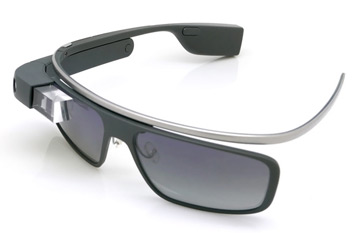
Remote medical documentation solutions provided by scribes and medical transcription companies have always been a feasible option for physicians. The future is bright for such services, according to a recent Medscape report. The report predicts that a combo of Google Glass and remote scribes could represent an effective EHR documentation model for the future.
The report, published on Jan 9, 2017, discusses the combination of Google Glass technology and remote scribe services developed by Augmedix. Google Glass allows a remote scribe to take detailed notes for the physician which allows the latter to ensure more direct and focused patient care. Augmedix says that this human-backed technology model is helping physicians meet federal requirements for electronic health record (EHR) data entry. Medscape reports that one doctor described the Google Glass remote scribe combo as “a perfect marriage between technology and humans”.
According to a paper published in JAMA in April 2015, the use of medical scribes by physicians increased substantially with EHR implementation. Physicians find EHR data entry complex and time consuming, and scribes ease the situation by providing real-time documentation of dictation. It is expected that, by 2020, physicians will employ up to 100,000 scribes. In fact, by helping in the charting task, scribes and medical transcriptionists can help reduce EMR/EHR-associated physician stress and burnout.
The new technology platform harnesses the advanced features of Google Glass to enhance the consultation experience for the physician as well as the patient. The procedure works as follows:
The doctor wears Google Glass at the consult
The remote scribe observes and hears the doctor and patient
The scribe documents the encounter
At the end of the day, the doctor verifies the file to approve the notes taken during the visit
The notes become permanent after the physician grants approval
Like expert medical transcriptionists, scribes have in-depth knowledge of medical terminology and procedures related to a wide array of specialties including family medicine, cardiology, orthopedics, oncology, emergency medicine, and more. They also have good comprehension and listening skills and typing speed. They stay alert to participate in the patient encounter and multitask to meet physicians’ requirements.
Similar to a medical transcription service company, scribes allow physicians to:
Pay more attention to their patients
Free up time to see more patients
Enhance productivity and efficiency
Ensure accurate clinical documentation and billing, and
Improve patient satisfaction
Scribes also work onsite in the medical facility. However, according to Augmedix, their remote-scribe model is 25% to 50% cheaper than an in-person model. It saves physicians up to 3 hours a day on the computer and reduces the healthcare provider’s stress.
The success of the remote scribe model is good news for the medical transcription industry. The medical transcription outsource model involves getting dictation transcribed by trained professionals in an offshore location. Leading companies offer dictation options such as toll-free telephone and uploading of the digital recording to a secure FTP server. They offer EMR/EHR integrated medical transcription solutions. Medical transcriptionists listen to the recording and document verbatim into the electronic health record using free text.
With the shortage of human scribes in the U.S., the services provided by remote scribes and medical transcription companies will continue to prove invaluable when it comes to meeting EHR documentation requirements.
Ongoing research in the medical field is important to identify new health conditions, diseases, and treatment approaches. This research often involves interviews, patient interactions, lectures, conferences, seminars and other audio recordings that need to be transcribed. Busy researchers and organizations prefer outsourcing medical transcription to reliable vendors to speed up the transcription process. Accuracy is an important element when it comes to transcribing neurology reports. Neurology is a medical specialty where a number of research projects are going on, with increasing incidence of neurological disorders such as dementia. Alongside research, new terminologies, techniques and studies emerge all of which require error-free documentation. Medical transcription companies play a significant role in this regard providing neurology transcription for physicians and researchers involved in numerous projects.
Researches tracking Alzheimer’s are important contributions in Neurology. One such significant project was undertaken by Professor Carol Brayne from the Cambridge Institute of Public Health and she published the study last year. Her finding was that better education and standards of living may minimize the chances of developing dementia. According to her, dementia is not a single disease; rather, it is a group of changes in a person’s brain with many underlying causes. By the time people are in their eighties or nineties, they have some of these changes in their brains irrespective of whether they do or do not develop dementia. Professor Brayne’s research revealed that a radical approach to tackling brain health throughout a person’s lifetime was necessary – these approaches would include social and lifestyle changes as well as focus on early therapeutic approaches to preventing or treating the disease through a pharmaceutical approach.
Alzheimer’s disease is the most common form of dementia.
Since trial participants are typically patients with advanced stage disease and have already lost a significant number of nerve cells, clinical trials of drugs for this condition are difficult.
However, some prominent researchers believe that a basic lack of understanding of the mechanisms that lead to Alzheimer’s is mainly responsible for the failure of the trials.
Though researchers and healthcare providers know that abnormal protein aggregation is responsible for Alzheimer’s disease, they are unsure about the mechanisms by which this leads to degeneration of the nerves. They believe therefore that prevention is much more important in this case and thereby try to halt the disease.
Another challenge is that there is no sure way of identifying people who are at risk of developing this disease.
Leading researchers believe that to treat this condition, they may have to use combination therapies such as those used to treat other diseases such as HIV – i.e. use a combination of drugs, each drug aimed at treating a particular aspect of the disease.
If the onset of Alzheimer’s can be delayed by at least 3 to 5 years, it would be really transformative and considerably reduce the number of people developing this disease.
It is easy to understand how in researches such as the above medical transcriptionists provided by a medical transcription company can play a significant role as documentation specialists and editors. They have a deep understanding of dictated medical language and terminology and can respond effectively to the specific and specialized neurology transcription needs. With timely and accurate documentation provided for all research processes, researchers can publish their studies and also make sure that new modes of treatment are introduced to ensure better care and well-being of patients.
With the implementation of electronic health records in medical transcription, physicians are now enjoying several benefits such as improved patient care, safety, efficiency, education, and timeliness. Several reports also indicate that use of EHRs in a practice can also improve health care quality and patient outcomes for patients with diabetes.
Better use of EHRs can help the practice provide better care to diabetic patients, enhance health care quality and improve patient outcomes.
For further information, read the infographics below.
Discharge summaries transcribed by a capable medical transcription service company contain a complete list of medications and discharge diagnoses which are crucial for continuity of care. Science Daily recently reported that according to a new study, electronic health records (EHRs) could improve care for patients on warfarin after they leave the hospital. Researchers found that a medical clinic that used an EHR which generates a comprehensive health summary for each admitted patient, managed the anti-coagulation therapy more effectively.
A widely used anticoagulant, warfarin helps prevent blood clots, heart attack and stroke. As the drug requires careful monitoring and possibly adjustments of dosing, patients are required to have regular blood tests to ascertain that their dose is correct. If not managed carefully, warfarin therapy can have adverse effects, leading to emergency hospitalizations. EHRs can help reduce such issues, say researchers.
The study evaluated the response to an electronic “Outpatient Warfarin Management Order” record designed for a family medicine clinic. This new system replaced the paper form based warfarin management plans that the physicians gave their patients. The paper based plan was confusing for patients and their community healthcare providers as the dosing could change frequently. The researchers found that:
the electronic discharge summary is valuable tool to inform patients, physicians and pharmacists about the key elements needed to manage warfarin therapy
the record coordinates communication to pharmacy services for any dosage updates
the proportion of discharge charts that included key elements for discharging patients on warfarin doubled after the EHR intervention
61 percent of the physicians and pharmacists who took part in the survey found the new warfarin order user friendly and accessible
The clinic’s medical director says that the study highlights the potential value of the EHR in managing warfarin or anti coagulation therapy between outpatient and inpatient settings and across multiple providers. The intervention also eased the transition of care to referring community healthcare providers and promoted collaborative care with pharmacies.
Accurate discharge summaries can decrease readmissions and adverse events. This study suggests that EHRs have improved the potential of discharge summaries to improve the continuity of care. In today’s healthcare scenario, medical transcription outsourcing plays an important role in ensuring complete, accurate and timely EHR-integrated discharge summaries. Of course, outsourcing to an experienced medical transcription company is crucial to ensure quality documentation that will improve the continuity of care.
Physicians strive to provide the best care for their patients. They prioritize the well-being of their patients, make informed medical judgments and decisions on their behalf, and take all necessary actions to ensure their welfare. Effective physician-patient communication plays a key role in achieving the goals of care. Physicians need to dedicate time to interacting with their patients and help them make informed decisions. However, though electronic heath records (EHRs) help physicians maintain patient records, focus on documentation tasks during the office visit takes time away from patients. This is where outsourced medical transcription services make a difference. By ensuring accurate and timely reports of various types of reports essential for patient care, outsourcing transcription frees up time for patients. It helps builds trust by allowing physicians to focus on patients rather than EHR data entry.
This post discusses the importance and benefits of clear communication in medical practice, tips for doctors to enhance communication skills, and role of outsourced transcription services.
Importance of Physician-Patient Communication in Healthcare
The physician-patient relationship, though complex, is the foundation of medical care and plays a crucial role in the management of medical conditions, especially chronic diseases.
The goals of physician-patient communication are to create a good interpersonal relationship, promote information giving and information seeking, and enable the physician and the patient to collaborate in making treatment decisions. Patient engagement is crucial to achieve treatment goals and quality of care.
Physicians now encourage the patient to talk at the medical visit, while they focus on listening and understanding the needs of the patient. Proper interaction between doctor and patient is essential to share information to support diagnosis, educate the patient, and answer the patient’s questions. Doctors must give their patients information about the following:
Diagnosis
Nature and goal of the treatment
Risks of the treatment
Other treatment options
With this information, patients can make free and informed decisions.
Empathy means being able to understand and share other people’s feelings. Understanding and empathy are necessary elements in the doctor-patient relationship and assure patients that their doctor cares about them. When doctors take the time to listen to and understand their patients, it helps them develop individualized treatment plans. When patients feel that their doctor understands them and is empathetic to their circumstances, they are more likely to adhere to their treatment plans.
Outsource your medical transcription and boost patient time!
Benefits of Patient Engagement: Key Findings from Studies
Studies on physician-patient communication highlight its crucial role in patient outcomes and satisfaction. Effective communication that centers on the patient, empathy, and clear information exchange, is associated with better adherence to treatment, improved health outcomes, and increased patient satisfaction. Conversely, ineffective communication can lead to misunderstandings, non-adherence, and negative health consequences. Let’s explore the positive impact of good communication on care outcomes:
Improved Adherence: A study published by the American Academy of Family Physicians (AAFP) reported that when patients believed communication was optimal, 70% followed recommendations, whereas when they considered communication poor quality, only 50% did. Patients who did not follow their physician’s recommendations had worse outcomes and a substantially higher cost of care.
Better Health Status: Studies and reviews have shown that strong physician communication skills are positively linked to better patient health outcomes — including improved physiological indicators like blood pressure and blood glucose levels, enhanced health status such as reduced headache frequency and depression, and improved functional status with less distress related to illness.
Increased Patient Activation: Strong communication correlates with higher levels of patient engagement and participation in their healthcare. When patients are given the opportunity to share their story and physicians communicate information in a way that’s easy to understand, both treatment adherence and quality of care improve—without extending the length of the visit, according to the AAFP-published study.
Reduced Healthcare Costs: Medication adherence requires active and collaborative participation between the patient and their healthcare team. Medication adherence is especially important for chronic conditions like diabetes, high blood pressure, and high cholesterol. Studies show that although medications may cost more, they help reduce other medical expenses. Effective communication can improve adherence and outcomes and lead to lower healthcare costs.
Enhanced Patient Satisfaction: When patients trust their doctor, they are more likely to be open and honest about their symptoms, concerns, and lifestyle. This can help the provider arrive at a correct diagnosis, develop a customized treatment plan, and get patients to comply with the treatment plan. Patients who experience clear, respectful, and empathetic communication are more likely to be satisfied with their care.
Adoption of Healthy Behaviors: A strong physician-patient relationship can also support patient education to help prevent illness and encourage healthy behaviors. Patient education is the process of influencing patient behavior and creating the changes in knowledge, attitudes and skills necessary to help patients maintain or improve health. When physicians are aware about their patients’ lifestyles and habits, they can provide personalized prevention and education advice to help prevent future health problems.
What Effective Physician-Patient Communication Means
Studies on patients with chronic diseases suggest that good communication with their doctor can improve patient outcomes.
Here are some tips for doctors to enhance communication skills:
Listen actively: Take the time to listen to their patients. Don’t interrupt. Let patients share their concerns fully before responding. Use nods, eye contact, and verbal cues to show engagement.
Use simple language: Provide clear and concise explanations of their diagnosis and treatment options in simple terms, avoiding jargon and complex terminology.
Ensure ongoing communication: Encourage ongoing communication throughout the course of treatment.
Summarize and repeat key points: Briefly go over the discussion to confirm patients have understood and help them remember important details.
Use visual aids: Diagrams, charts, or digital tools can clarify complex information, especially for visual learner
Ask open-ended questions: Encourage dialogue by asking questions like “How have you been feeling lately?” rather than “Are you feeling better?”
Encourage questions: Invite patients to ask questions and reassure them that no question is too small or trivial.
Practice empathy: Consider patients’ mental and emotional health when discussing symptoms, treatment, and disease management. Statements like “I understand this is stressful for you” build trust and rapport.
Ensure privacy and minimize distractions: Create a supportive and collaborative environment that encourages patient participation in their own care.
Follow up: Educate patients on the importance of keeping follow-up appointments.
Reinforce care instructions and show patients you care about their progress through brief follow-up calls or messages.
Patients with chronic diseases require personalized and comprehensive care to effectively manage their symptoms and improve their quality of life. To support effective communication, patients should:
Openly discuss their symptoms, concerns, and questions with their physician
Be honest about their symptoms and how they are affecting their daily lives
Actively participate in the decision-making process regarding their treatment plan.
Being honest and engaged helps build trust and ensures better understanding between patient and physician. However, some physicians find it challenging when patients arrive with a self-diagnosis—often influenced by online searches, a phenomenon dubbed “Dr. Google syndrome” by Medical Economics. This can lead to tension during consultations. To ease such situations, experts suggest that physicians listen respectfully, acknowledge patients’ concerns, and build trust. This approach allows for a more collaborative conversation and helps patients receive accurate guidance tailored to their needs.
Enhance Care Quality by Outsourcing Medical Transcription
Positive and open communication between patients and their physician plays an important role in ensuring that patients get the personalized care and support they need to effectively manage their conditions and improve their quality of life. Partnering with a medical transcription service provider that can provide comprehensive, EHR-integrated solutions can help physicians follow best practices during consultations. This support plays a key role in improving patient engagement and satisfaction, encouraging treatment adherence, and reducing the risk of adverse events.
Free up time for patients with our custom medical transcription solutions!
The electronic health record (EHR) is designed to allow physicians to provide higher-quality, customized, cost-effective care to patients. Medical transcription service companies help providers manage their data entry tasks, allowing them to efficiently document narrative entries. But are physicians maximizing the potential that EHRs offer? Recent reports seem to indicate otherwise. There are several ways in which physicians can reap the many advantages the EHR offers.
Effective deployment in multi-specialty medical groups: According to a December 2016 Forbes report, effective deployment of digital patient records depends on using EHR in the “right context and culture”. The EHR is typically seen as a digitized version of a paper medical record. However, according to this report, the EHR has more potential in integrated, multi-specialty medical group and can help physicians from different specialties to manage care, exchange critical clinical information, and provide medical care quickly and safely. The article explains how physicians across multiple specialties in The Permanente Medical Group (TPMG) used the EHR as a communication tool in the treatment of lung cancer to bring expertise into the medical decision-making process earlier. The EHR promoted real-time coordination, consultation and consensus, eliminating the possibility of confusion and medical error, and reducing treatment delays.
Improve EHR user interface: A recent Health Data Management report puts the spotlight on EHR vendors. The need of the hour, according to the report, is to develop a common user interface so that providers can move between systems easily. In addition to interoperability, the report recommends improving user interfaces, reducing clinicians’ data entry tasks, and redesign of EHRs to support future needs.
Ease physician data entry: A NIH-funded study by a New York-based medical informatics company recommends a method for fast EHR data capture. The study found that a dictation-based natural language processing (NLP) entry method for structured EHR data capture performed better in terms of efficiency, thoroughness, quality, and usability, as compared to standard data entry using keyboard and mouse.
Improve information exchange and sharing: Physicians need to be able to find crucial information on patients in the course of their workflow. Similarly, EHR design should support patient engagement by allowing them to access to their all medical information in one place – quickly and easily.
A recent Mayo-American Medical Association study found that electronic health records and computerized data entry are leading to lower satisfaction and high rates of stress among clinicians. Physicians reported that they did not believe that EHRs improved their efficiency or patient care. Medical transcription services can help with this. Experienced medical transcription companies play an important role in improving the integrity of the medical record and easing physicians’ data entry burden. They help providers ensure concise, history-rich notes that reflect the data gathered and which go into developing diagnoses, treatment plans, and follow-up care.
 Now, even with EHR systems, many doctors rely on medical transcription services for timely documentation of patient records. This is because with the introduction of EHR systems, most doctors tend to work long hours in order to complete their documentation. While physicians recognize the benefits of EHR, they also complain that many systems deployed nowadays are cumbersome to use and often act as obstacles when it comes to providing quality care. Junior doctors also claim that the excessive stress they experience could be putting patients at risk.
 Even with the advent of the electronic health record (EHR), many physicians rely on
  Even with the repeal of the Affordable Care Act (ACA), TechTarget reports that the focus on value-based care and reimbursement will continue. Proper data capture is crucial to get real value out of EHR systems and support meaningful use requirements.
  Remote medical documentation solutions provided by scribes and
  Ongoing research in the medical field is important to identify new health conditions, diseases, and treatment approaches. This research often involves interviews, patient interactions, lectures, conferences, seminars and other audio recordings that need to be transcribed. Busy researchers and organizations prefer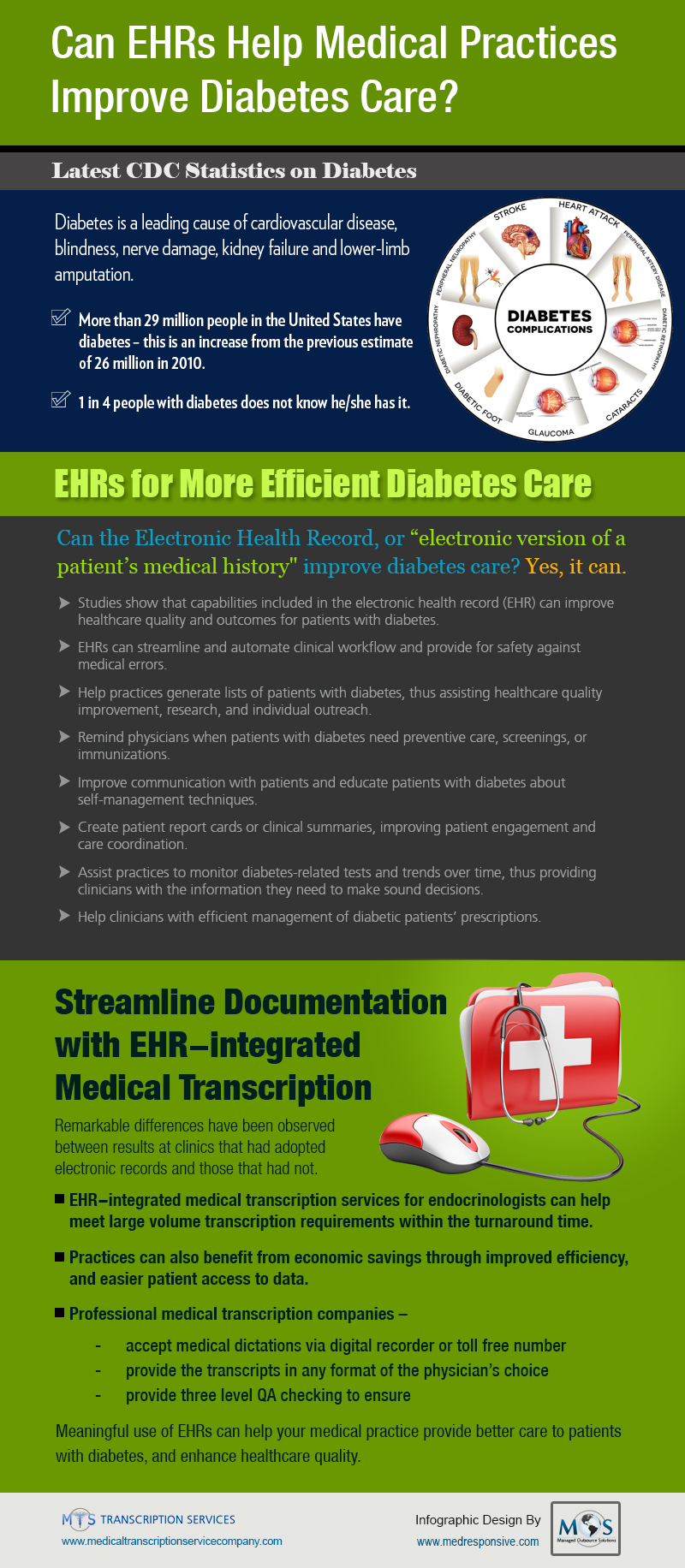
 Discharge summaries transcribed by a capable
 The electronic health record (EHR) is designed to allow physicians to provide higher-quality, customized, cost-effective care to patients.