Reducing Patient Wait Time Crucial to Ensure Your Patients Are Happy

Reducing Patient Wait TimeElectronic Health Record (EHR) implementation has increased the documentation burden for physicians, which is essentially a concern during the patient visit. With the introduction of EHR physicians are forced to spend more time typing and documenting medical details rather than focusing on the patients. This will extend the patients visit and lead to increased physician appointment wait times. This can cause distress in patients and also distract physicians from processing the information and obstruct their workflow. EHR documentation is one of the factors contributing towards increased patient wait time, and can be addressed to a certain extent with EHR-integrated medical transcription services.

With every year physician appointment wait time is increasing. According to a study by physician search and consulting firm Merritt Hawkins, it now takes 30 percent longer to schedule a new patient appointment in 15 major metropolitan areas compared to 2014. The survey showed that 24 days is the new average to schedule a new patient appointment.

Out of 15 major metropolitan areas, Boston experiences the longest wait times with an average of 109 days to see a family physician, 45 days to visit a gynecologist, 45 days to see a cardiologist and 11 days to see an orthopedic surgeon. Dallas has the shortest waiting time with an average of 15 days. Other averages include 37 days in Philadelphia, 28 days in Portland, 28 days in Seattle, 27 days in Denver and 24 days in Los Angeles. Growing physician appointment wait time shows that there is a major shortage of physicians in the nation. Increased documentation hassle is considered one of the reasons for physician burnout.

Reducing Patient Wait TimeThe burden of documentation on physicians can be removed by implementing medical transcription solutions. Continuing the dictation – transcription model will allow physicians more eye-to-eye time with patients. The recorded dictations can be sent to a professional medical transcription company for accurate transcription and posting to the physician’s EMR system. Reduced documentation requirements will bring down patient wait time. Physicians could also delegate the documentation to a clinical assistant who can note down patient history, prescription and test orders, and even take notes during the actual consultation.

Other methods to reduce patients’ wait time are:

  • Gathering patient information before their scheduled appointment.
  • Access to a secure messaging feature that provides an alternative way to communicate important information with patients.
  • Creating a policy like setting a time limit or imposing cancellation or late fee for patients who don’t show up or arrive late for their appointment.
  • Use of telehealth solutions to streamline patient record gathering, prevent no show or late arrivals.

Medical transcription outsourcing is an effective solution indeed to reduce the burden of documentation. Physicians get to spend more quality time with their patients and reduce wait time. It may be impossible to avoid wait times altogether, but it can be considerably reduced. This is important to ensure that your patients are happy and that you don’t lose revenue and patients.

List of Common ER Slang Terms Medical Transcriptionists Should Know [Infographics]

The language of medicine is filled with many abbreviated references to diseases and medical slang. A medical transcriptionist will have to handle diverse medical specialties, and emergency room transcription is among the toughest. Compared to other types of medical transcription, ER documentation is quite challenging. This infographic shows some of the most commonly used ER terminology a medical transcriptionist should be familiar with.

List of Common ER Slang Terms Medical Transcriptionists Should Know [Infographics]

Medical Transcription Service Quickens the Process of Medical Documentation

Medical Transcription ServiceMany physicians still prefer to dictate their notes even in this EHR age because that is what they are used to doing. To ensure streamlined medical documentation, it is important that these dictations are transcribed accurately in a timely manner. This can be made possible with the support of a medical transcription company. Partnering with a good provider removes the hassle of medical documentation for physicians and lets them focus more on providing efficient patient care. At present, EHR-integrated medical transcription services are provided wherein the transcription provider interfaces with the physician’s EMR/EHR system and posts the transcripts onto the EMR.

A discussion about healthcare reform and improving the quality of care was held during the American College of Physicians (ACP) Internal Medicine meeting in San Diego this March. Patrick Alguire, MD, vice president of membership and internal program at the ACP said that the doctors see a change in the healthcare industry and they wish to know what it all means. Among the liveliest discussions were the ones on record keeping and health policy in the light of the health reforms introduced by the new administration. This year, presentations on health policy and medical regulation were integrated into the meeting’s scientific program. The physicians were also concerned about patients who might lose their insurance and access to care. Around 54 million people are covered by Obamacare but there are huge changes in the offing.

Medical Transcription ServiceNowadays, in meetings such as the above a lot of discussion centres on health records and the collection of data. Physicians would prefer to put patients before paperwork, but that doesn’t always happen when the demand for documentation becomes overpowering. In fact, surveys point out that physician burnout and paperwork are very likely linked. A remedy to this problem is continuing the dictation – transcription model and outsourcing medical transcription, which can minimize the burden of administrative work in a hospital or medical practice and quicken the process of medical documentation.

While it is a fact that the arrival of EHR has reduced the use of medical transcription, medical transcription companies have risen to the occasion with EHR-integrated medical transcription. In this integrated method, physician dictation can be captured using different modalities like toll free phone-in, digital recorder or mobile phone. The recorded dictations are sent to the transcription provider, where they are transcribed accurately and then posted in the physician’s EMR system. In such a system, there is no delay in documentation and patient care. Since the documentation is accurately done, providers do not usually have issues with obtaining appropriate reimbursement. Most importantly, providers are not tied down by documentation requirements; instead they have quality time on their hands to care for their patients.

Importance of Communication in Improving Doctor – Patient Relationship

Doctor Patient RelationshipA good patient-doctor relationship is an essential element for winning the trust of the patients and getting him/her to share all their concerns with the provider. This is important from the point of view of providing better patient care and achieving better outcomes. Communication is thus an important aspect when it comes to providing medical services. Clear communication is also a very significant requirement to ensure accurate medical documentation and appropriate patient care, as any provider of medical transcription services would agree.

During their training period, physicians do learn how to interview and get information from patients during their consultation, evaluate the patients and their condition, diagnose and treat their diseases. However, other important aspects of patient care such as relation building and dealing with the patient’s emotions are not often given the due focus. It is important to build a strong rapport between the patient and doctor as it helps patients to share their concerns with the doctor. In the healthcare industry, transparent communication between doctors and patients is essential for quality care and good health outcomes. Treating a patient with respect helps them to communicate well and engage with them even outside the hospital settings. A doctor should be a good listener too. When the doctor’s ability to listen to patients is limited, they may miss crucial health signs and misdiagnose illnesses. Therefore it is important to engage constructively with patients, exchange information and build a positive relationship.

According to Walter Baile, MD, director of the Interpersonal Communication and Relationship Enhancement program at the MD Anderson Cancer Centre in Houston, there are some simple things a doctor can do to allow patients to feel they have your attention and the most important things are:

  • Maintain good eye contact with the patient
  • Secondly, do not interrupt when a patient is talking. A doctor should be a good listener.

Building a Good Relationship

It is important to treat patients well and give them the impression that they are really cared for. At every stage physicians should explain about the treatment, medications, tests etc and keep the patient informed about the possible consequences. Sometimes physicians find it difficult to build a good rapport with patients during short visits but it does not take too long to obtain information about the patients. They can begin the conversation by asking questions like “tell me about yourself, who all are there in your family,” etc. This kind of informal communication will put the patient at ease, and gradually persuade him/her to take the doctor into full confidence.

Employ “NURS”

Doctor Patient RelationshipJane Schell, MD, a palliative care nephrologist and clinician educator at the University of Pittsburgh Medical Centre, said that physicians can sometimes go wrong by feeding a lot of information to the patients in order to make them understand the care they are receiving. This can create medical jargon and confuse the patients. Dr Schell suggests that the “ask-tell-ask” approach is a good method of communication that helps to know about the patient. It helps to improve communication by encouraging physicians not to lead patient encounters with their agenda and it also eliminates the chances of interrupting the conversation. Physicians should expect that the patients may react emotionally to the medical information given to them. Using NURS tactics i.e. Name, Understand, Respect and Support is the best way to communicate with the patients. Dr Baile recommends that physicians should ask patients about their worries and try to pacify them.



Keep Note of Verbal and Non-verbal Communications

With the introduction of EHR, doctors are forced to spend most of their time documenting medical details and less time with patients. Utilizing EHR-integrated medical transcription services would help physicians spend more time with the patients and establish a strong patient-doctor relationship. Patient experience must be a major area of focus for any practice, and priority must be given to make their visit enjoyable. The physicians and other clinical staff must be empathetic and share the patients’ concerns. They should strive to address any concerns that may be causing anxiety to the patient. Importantly, physicians should be aware of their body language, and verbal and non-verbal communication when interacting with patients. They should be patient, provide all the necessary instructions carefully and show real concern.

Do Patients Really Understand Cardiology Terminology?

Do Patients Really Understand Cardiology Terminology?

Have you ever wondered how much of your explanation patients truly understand after a cardiology consultation? While physicians often simplify complex diagnoses, cardiology terminology can still be confusing for patients. When unfamiliar medical terms are used during discussions about heart health, treatments, or test results, patients find it difficult to understand their condition. Even common cardiology terms like “arrhythmia,” “ejection fraction,” or “coronary blockage” can be confusing for most people without a medical background.

For physicians, ensuring clarity in communication is essential, not only for patient trust but also for accurate documentation of what was discussed during the visit. This is where technology can help bridge the gap. AI-assisted medical transcription services simplify cardiology for patients by converting complex medical discussions into clear, accurate, and easy-to-understand information. By capturing consultations accurately, AI-powered transcription converts them into clear documentation, and helps physicians maintain precise records while focusing more on patient communication and care.

Cardiology Terminology for Patients: Key Findings from Research

  1. Study: Role of Jargon in Patient–Doctor Communication

    This systematic review analyzed research from 2001–2022 to understand why patients struggle to understand medical jargon in cardiology. The researchers reviewed 424 studies and found that frequent use of medical jargon can significantly reduce patient understanding during healthcare interactions. Their key findings are summarized below.

    Medical abbreviations and technical terms are commonly used during consultations and appear at multiple stages of patient care, including initial consultations, diagnosis discussions, and treatment planning. While medical terminology helps facilitate clear communication among healthcare professionals, it can confuse patients when complex explanations are delivered quickly during consultations.

    The study indicated that jargon has a notable impact on communication quality. When patients do not fully understand the explanations provided by physicians, it can affect their comprehension of treatment plans and may ultimately influence their willingness or ability to follow medical advice, potentially impacting treatment outcomes.

  2. Study: Language Used in Fetal Cardiology Consultations, 2023

    This study analyzed how clinicians communicate during fetal cardiology consultations, particularly when explaining congenital heart conditions to families. The researchers identified four main communication styles used by cardiologists: small talk to build rapport and ease anxiety at the beginning of consultations, plain language to simplify and explain complex medical concepts, medical language to convey diagnostic and clinical details, and person-centered language that focuses on the baby as a whole rather than just the heart condition.

    The study also found that cardiologists often combine technical terminology with simplified explanations and tend to follow a consistent communication pattern during consultations. These communication approaches can significantly influence how families understand complex cardiac information, make healthcare decisions, and emotionally adjust to the diagnosis. Overall, the findings highlight the importance of explaining common cardiology terms doctors use with patients during sensitive consultations. Balancing clinical accuracy with clear, patient-friendly communication ensures families better understand and process cardiac diagnoses.

How AI Medical Transcription Improves Communication and Documentation in Cardiology

  1. Enhances Communication Between Cardiologists and Care Teams

    Cardiology cases often involve multiple providers such as cardiologists, primary care physicians, surgeons, and nurses. AI transcription tools can convert complex clinical notes into structured discharge summaries that clearly outline diagnosis, procedures, medications, and care plans.

    This structured documentation helps ensure that all healthcare providers involved in a patient’s treatment understand the patient’s cardiac condition and the recommended management plan.

  2. Improves Accuracy and Completeness of Patient Documentation

    Clinical documentation, especially discharge notes for cardiac patients, is essential for maintaining care quality and communication among healthcare providers. However, manual documentation is time-consuming and often prone to inconsistencies or missing information. AI systems using large language models can automatically generate discharge notes by analyzing patient records and physician assessments, producing documentation that is clinically relevant, complete, and coherent.

    For cardiologists, this means patient conditions, treatments, and follow-up instructions are documented more accurately, reducing the risk of miscommunication between care teams.

  3. Converts Complex Cardiology Information into Clear Summaries

    AI models can distill complex medical information into concise and readable summaries, making clinical notes easier to interpret. For cardiologists, this is particularly valuable because cardiac documentation often includes complicated terminology related to:

    • diagnostic imaging
    • cardiac procedures
    • medication regimens
    • risk factors and lifestyle recommendations

    AI-generated summaries help simplify these details while maintaining medical accuracy, allowing cardiology terms explained within documentation to be clearer for both clinicians and patients.

  4. Supports Better Patient Understanding of Their Condition

    Another important benefit is improved patient comprehension of discharge information. Research shows that AI-generated summaries can make medical documentation significantly more readable and understandable compared to traditional discharge notes written with technical language.

    This helps patients:

    • understand their cardiac diagnosis
    • follow medication instructions correctly
    • adopt recommended lifestyle changes
    • recognize warning signs after discharge

    Better understanding ultimately supports higher treatment adherence and improved health outcomes. This is particularly helpful when translating complex medical jargon in cardiology into information patients can realistically follow.

  5. Reduces Documentation Burden for Cardiologists

    Cardiologists often spend a large portion of their time creating clinical documentation. AI transcription systems automate this process by generating draft notes from clinical data, which physicians can review and finalize. This automation improves efficiency and allows cardiologists to focus more on patient interaction and care delivery.

    Reducing documentation workload can also decrease physician burnout and improve workflow efficiency in cardiology departments.

In cardiology practice, accurate and clear documentation is essential for both clinical communication and patient understanding. While AI medical transcription can quickly generate reports and summaries from consultations, the role of a medical transcriptionist remains equally important. Experienced transcriptionists review and refine AI-generated reports to ensure the information is accurate, clinically appropriate, and free from errors or inconsistencies. This human oversight helps maintain the quality and reliability of patient documentation, especially when dealing with complex cardiology terminology and treatment details.

By combining the speed of AI with the expertise of trained transcriptionists, professional medical transcription services provide cardiologists with well-structured and precise patient records. This not only supports better communication among healthcare providers but also ensures that medical information is documented clearly enough for patients to understand their diagnosis, treatment plans, and follow-up care. Ultimately, this balanced approach improves documentation efficiency while maintaining the accuracy and clarity that cardiology practices require.

Improve patient communication-streamline your documentation with expert medical transcription services.

Contact us!

Report: EHRs Should Allow Physicians to Understand Patient Perspectives

Record Patient PerspectivesMedical transcription companies provide EHR-integrated documentation solutions to help physicians ensure accurate medical records. But do EHRs allow physicians to keep a track of everything that matters to patients? According to a recent Forbes article, physicians still face challenges when it comes to creating a truly patient-centered approach to the EHR.

According to the Office of the National Coordinator for Health Information Technology (HIT) of the U.S. Department of Health and Human Services, EHRs are now used by 96% of hospitals and 78% of physicians’ offices. There is no doubt that electronic records provide secure access to patient information and streamline workflow. Physicians can create the record by entering details such as family history, reason for initial complaint, diagnosis and treatment, prescription medications, lab tests, and other important details needed to provide care. Providers can update each encounter promptly with the help of a scribe or medical transcription company. Besides ensuring provider-oriented checklists and clinical data capture, EHRs allow patients to conveniently access their digital medical record from the comfort of their homes.

However, experts point out that EHRs often fail when it comes to prioritizing patient goals and main concerns. Planetree, a Connecticut-based nonprofit educates hospital and nursing home operators in providing person-centered care. According the president of the organization, EHRs do not integrate or incorporate what patients actually want captured. Issues identified include:

  • Electronic medical records do not integrate patient perspectives: For instance, a patient who is discharged from hospital may have certain personal goals or responsibilities to accomplish. Or a patient may be unable to make the co-payment for a medication, which would make it difficult to adhere to the treatment plan. It’s important that the medical record includes these patient perceptions.
  • Lack of interoperability: Another problem is that of lack of EHR interoperability. EHRs can achieve the goal of cutting costs by reducing paperwork and unnecessary tests, only if patient information flows freely among health care providers and insurers. For instance, if a physician cannot access the results of a patient’s blood test done in another hospital, the test would have to be repeated. This often happens when the EHR systems used by practices and hospitals are different. Providers will be able to access only some of the information and not the entire medical record. A recent study found that 46 percent of patients want direct exchange of medical records between their doctors, but the software is not designed to meet these expectations.
  • Detracts from the quality of care: When you are in the physician’s office, you would want him or her to pay attention to you and what you are saying. With the arrival of the EHR, patients rarely get the attention they want during the office visit. Most physicians find it difficult to use the software and listen to patients at the same time.
  • Do not accommodate broader patient concerns: The physician can only enter quantitative information such as prescriptions and lab tests in the EHR. Patients often talk about their personal problems, but EHRs do not have the provision to accommodate such information, which can actually have a huge impact on their health.

Record Patient PerspectivesManufacturers of practice management software are making an effort to overcome these issues and improve the patient experience. Forbes reports on a leading EHR software company that has introduced a “longitudinal plan of care” into its EHR systems, which can incorporate a patient’s history, course of treatment, living situation and personal goals for health and functioning.

Planetree was instrumental in creating a “Patient Preferences Passport” incorporating information that patients want captured in their records and which can be shared with family members. Patients can list their preferences and take the passport along to their appointments.

While medical transcription outsourcing is an ideal option for EHR documentation and better focus on patients during the encounter, these innovative strategies will allow physicians to engage patients in their care more effectively.

Outsourcing Medical Transcription can Help ERs Manage EHR Challenges as Drug Overdose Cases Rise

EHR Challenges as Drug Overdose Cases RiseWhile emergency room (ER) physicians are experts in diagnosing and managing acute conditions, they face many challenges such as difficult-to-manage patients, higher stress levels, and documentation difficulties. Recent reports indicate that drug overdose cases are putting great stress on ER physicians. In this situation, outsourcing medical transcription is a viable option to resolve their patient record management issues.

According to data recently compiled by The New York Times, drug overdose deaths in 2016 possibly exceeded 59,000, the highest annual increase ever recorded in the US. The report says that drug overdoses are now the key cause of death among Americans below 50.

Another recent report focused on Owensboro Health Regional Hospital Emergency Department estimates that the number overdose patients in the emergency department (ED) by the end of 2017 will be around 119, the same figure as last year. The key points in this report are as follows:

  • The number of accidental overdoses has increased over time
  • The majority of the drug overdose cases that the ED treats are those due to opioids and amphetamines
  • Opioids cause more medical problems and need for intervention
  • While use of methamphetamine is dominant, heroin, fentanyl and prescription painkillers arecausing multiple deaths
  • These drugs also raise risks of increased transmission of communicable diseases like Hepatitis C through shared needles
  • Opioid overdose causes cardiac problems, suppression of the respiratory system with serious permanent effects
  • Overdose cases are straining the ED by tying up resources needed for other patients

EHR Challenges as Drug Overdose Cases RiseWith all these challenges, physicians have realized that prescribing opioids does more harm than good as patients tend to consume either a too high a dose or for too long.

As ER physicians deal with drug overdose cases, they need to maintain error-free medical records. ER physicians have to monitor their patients and share information quickly with others involved in their care. Quick access to information in an emergency setting improves care. Other benefits of EHRs in emergency rooms include clinical decision support and medical alerts to improve quality and reduce errors.

However, while EHRs are supposed to ease this task, they may actually make things more challenging in some ERs, where fast access to accurate information is critical. According to a Healthline report published last year, ER physicians say that while electronic health records (EHRs) are useful in sharing information, they may pose many challenges:

  • EHR data entry could reduce the time needed for patient care
  • The attention needed to engage with the EHR distracts physicians from treating the patient and disrupts workflow in the ED
  • The time spent in documenting information may affect the patient experience

It is obvious the ER physicians require strong documentation support. Emergency room transcription service can prove extremely helpful. Reliable US based medical transcription companies are well-equipped to provide timely, error-free reports for various specialties such as critical care medicine, paediatrics, plastic surgery, ENT, cardiology, respiratory medicine and more. The benefits of partnering with a technologically advanced service provider include prompt and accurate EHR-integrated documentation solutions, instant reports showing the progress of each file, multiple quality checks, and 100 percent HIPAA compliance. As drug overdoses put strain on emergency rooms, such support can be crucial to ensure proper patient care.

In fact, the Healthline report cites an emergency physician as saying, “The laborious EHR user interface inevitably reduces the number of patients a provider can see on a given shift, making the need for scribes, transcription services, and midlevel practitioners increasingly important in emergency medicine.”

Knowledge of Medical Slang Terms Ensures Quick Medical Documentation

Knowledge of Medical Slang TermsMedical slang is a major challenge with regard to medical transcription, and it requires efficient medical transcription services to make sense of these terms and transcribe them accurately. Doctors, nurses, paramedics and other clinical staff use medical slang and common forms of its expression include words, abbreviations, and acronyms related to medical terms/conditions, events or persons. Why do medical professionals use slang? Usually, it is to communicate his/her idea or clinical finding/diagnosis/assessment to other providers in the care team in a quick and concise manner. However, these terms often become confusing or even derogatory at times. Slang terms that are ambiguous are typically those words that can be interpreted or used for more than one medical term. Interestingly, derogatory but amusing medical slang words used for medical specialties include “baby catcher” for obstetrician or “butchers” or “knife-happy” for surgeons. When transcribing physician dictations, knowledge of such expressions will help the transcriptionist to quickly complete the medical documentation. Lack of knowledge in this area will lead to erroneous transcripts and ambiguity in the medical chart.

Dr. Maurice Bernstein in his enlightening blog “Medical Slang Leading to Logical Fallacy: a Practice to Be Avoided,” points out how medical slang can become disrespectful, ambiguous and in relation to patients themselves slang expressions used by the doctor would represent a professional ad hominem improperly affecting the doctor’s judgement regarding the history and facts the patient presents. When a derogatory/slang word is applied to a person, the physician using the slang may reach an erroneous conclusion that would lead him/her to reject any argument or facts given by the patient. This is because the provider has inhibitions about the reliability or character of the patient. Such conclusions are often unjustifiable. Any information provided by a patient must be reasonably evaluated and validated. The provider’s personal decision regarding the patient as a person should not prejudice this evaluation.

In various countries medical slang terms are considered unethical and unacceptable. Now that patients can access their medical records, the appearance of such terms may prejudice them against their caregivers. Professional medical transcription services pay special attention to such instances, ensuring that offensive or demeaning slang terms are not found on patient’s charts. On the other hand, they will ensure that all clinically relevant slang usage is accurately transcribed.
Knowledge of Medical Slang Terms
The following are some of the commonly used medical slang terms:

  • Accels = acceleration
  • Angio = angiography
  • Appy = appendectomy
  • Bicarb = bicarbonate
  • Bili = bilirubin
  • Cath = catheter
  • Cath’d = catheterized
  • Circ = circumflex
  • Crit = hematocrit
  • Cysto = cystoscopy
  • Detox = detoxification
  • Decels = decelerations
  • Endo = endoscopy
  • Eos = eosinophils
  • Fluoro = fluoroscopy
  • Gastroc = gastrocnemius
  • H.flu = haemophilus influenza
  • Heme/oc = hematology or oncology
  • Hep A = hepatitis A
  • Hep B = hepatitis B
  • Hep c = hepatitis C
  • Labs = laboratory
  • Lytes = electrolytes
  • Med onc = medical oncology
  • Mets = metastases
  • Neuro = neurology
  • Nitro = nitroglycerine
  • Osteo = osteoporosis
  • Ped = paediatrics
  • Pen = penicillin
  • Rad onc = radiation oncology
  • Sats = saturations
  • Sono = sonogram
  • T- max = temperature maximum
  • Tox = toxicology

Physicians, hospitals and other healthcare providers can ensure speedy and accurate medical documentation with the support of an experienced medical transcription service company. With reliable support from medical transcriptionists well-versed in medical terminology, medical slang, abbreviations and multiple accents there need be no concerns regarding misinterpreting abbreviations and slang terms. Providers can continue to use abbreviations while talking or dictating, ensure quick and efficient communication and move on to the next patient.

Telemedicine Services Help to Reduce Hospital and Urgent Care Visits

Telemedicine Services Reduces Hospital VisitTelemedicine transcription is one of the services provided by medical transcription companies and providers increasingly use this service with the growing popularity of telemedicine. What are the main objectives of telemedicine services? They aim to replace or equal traditional face-to-face consultations, clinic visits and visiting nurses; provide better care in areas where the quality of healthcare is not up to the mark; and save costs.
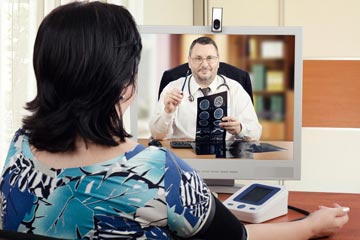
Radiology specialty is a heavy user of telemedicine, and altogether 50 medical subspecialties including ophthalmology, psychiatry, pathology, cardiology and dermatology use this innovative treatment mode mainly to improve their reach, accessibility and quality of care. Teleradiology is used to electronically transmit X-rays, MRI and CT scans and other images to providers in other locations for evaluation and assessment. Transcription or documentation of telemedicine/remote consultation in an accurate and timely manner is vital to facilitate improved communication with other providers, and co-ordination of care.

A Way to Address the Overflowing Emergency Room Concern

Millions of Americans visit emergency rooms for their medical problems without health insurance coverage, whether emergency or not. In America, healthcare is one of the most complex and debated issues and many people do not have insurance coverage in order to access proper medical care within their budget. The major problem in this regard is that the emergency room and urgent care type rooms become flooded with patients who need care but do not have insurance. Overflowing of patients in emergency room leads to overtime work for medical staffs and poor quality care for patients. Healthcare providers often have a long waiting list of patients and the emergency rooms are filled with patients who do not require emergency treatment.

Telemedicine is a practical solution for this major concern healthcare providers have, and allows patients to avail of quality consultations, electronic house calls, testing, diagnosis and treatments.

  • With telemedicine, patients and providers are connected through an integrated, global healthcare system.
  • It enables better diagnoses and treatments because comprehensive digital data is available to practitioners online and offline.
  • Automated, active monitoring equipment provide constant connectivity between provider and patient. As a result, follow-ups and monitoring patients becomes easier and more efficient.
  • Patients in remote and under-served areas gain access to world-class medical services without travelling to another location.
  • Patients can obtain medical recommendations and treatment from leading medical specialists.
  • Patients can save on their travel expenses, unnecessary hospital visits, cost of medicines and expensive healthcare.

Telemedicine can be delivered via the following methods.

  • Patients and providers can be connected over private networks – directly or through an independent practitioner who acts as a mediator.
  • Patients can be connected to a specific care provider via tele-videoconferencing for a real time consultation over a home connection.
  • Specialized tele-monitoring systems can be used for active tele-monitoring of housebound patients.
  • Telemedicine and patient care services can be provided directly via web-based systems.

Online Doctor Visit – an Innovative Telemedicine Program

Telemedicine Services Reduces Hospital VisitA good example of a telemedicine service is the program offered by Online Doctor Visit, a provider of telemedicine services and online doctor consultations. Patients can speak to a certified, licensed physician without wasting their time in the waiting room. It provides a new opportunity for Americans to consult their doctors with the help of technology that exist in almost all US households. Through online video chat using computer, laptop or any such devices, Online Doctor Visit’s progressive telemedicine program helps people with or without health insurance a very affordable way to obtain medical attention from experienced doctors. This new system takes very less time than face-to-face consultation. It can help reduce the overflow of patients in emergency rooms, relieving the stress of emergency medical professionals while ensuring quality and timely care to patients.
In the medical field, time is of utmost value. Any reliable solution that can save valuable time and unnecessary stress for healthcare providers is a welcome option. This is something that reliable providers of medical transcription services also strive to provide by speeding up the process of medical documentation, which is the basis of ensuring excellent care. Physicians can easily dictate their notes as they are used to doing, send them to a good medical transcription company and receive accurate transcripts. Now with the introduction of EHR, transcription services use HL- 7 interface to provide EHR-integrated medical transcription to healthcare providers.

Clinical Documentation Support Reduces Urologists Difficulty in EHR Documentation

Clinical Documentation Support Reduces Urologists Difficulty in EHR DocumentationA recent report in Urology Times provides clear evidence of how urologists benefit from clinical documentation support. Electronic medical record (EMR) documentation is a burden for most physicians and many urologists are relying on scribes to help with the burden of EHR data entry. Recent market research reports indicate that medical transcription services are also slated to grow phenomenally, which provides further proof of the physicians’ growing inclination to rely on medical documentation specialists to maintain quality patient records and improve quality of care.
EMR documentation has led physicians to spend more time on data entry, negatively impacting the time they spend on interacting with their patients. Research has shown that EMR responsibilities are among the top reasons for physician burnout. Many urologists are now using scribes to ease that burden, focus on patient care, and improve productivity and efficiency.

Many studies have assessed the impact of hiring scribes in urology practices:

  • A study published in the Journal of Urology in 2010 showed that support for medical documentation increases urologist satisfaction and improved patient satisfaction. Nearly 70% of urologists surveyed expressed satisfication with office hours when they had a scribe, compared to about 20% who did not have a scribe.
  • Medical scribes reduce physicians’ computer charting burden and patient flow, according to a study published in Urology Practice in 2015. However, the authors pointed out that this model would be viable only if the additional revenue from increased patient visits is greater than the costs of hiring scribes.
  • A review published in The Journal of the American Board of Family Medicine in 2015 on medical scribe use in medical practices including urology practices said that clinician satisfaction, productivity, time-related efficiencies, revenue, and patient-clinician interactions improved with such medical documentation support.

The Urology Times article describes urologists’ experiences with scribe support. One physician said hiring a scribe allowed him to really listen to a patient without having to touch the computer at all or worry about which box to click.

Another urologist said he was not a multitasker and that his typing would suffer if he had to face the computer screen much of the patient visit. In his practice, the scribe prepares EMR notes before the patient arrived, summarizes data from the previous note and copies results of previous studies and procedures for follow-up patients, records the patient’s history and physical findings during the office visit, and records the urologist’s treatment plan for the patient and the diagnosis.

Scribes increase the doctor’s efficiency 20% to 30%, according to one urologist. After a brief introductory interaction with the patient, the scribe comes in and takes their history and review of symptoms. The physician uses that time to see two to three additional patients. He then goes back in with the scribe to do the physical exam, and communicates his findings so that the scribe can do the documentation. As the scribe goes outside and documents the plan of care as directed, the physician discusses it with the patient.

The urologists also discussed the disadvantages of hiring scribes:

  • They have to spend time and energy to train a scribe
  • Scribes add one more person to the room, especially when the patient’s family members are also present
  • Hiring a scribe may not be cost-effective for the practice

Outsourcing medical transcription can address these issues. Medical transcriptionists (MTs) remotely convert recordings of physician dictation and deliver the transcripts in custom turnaround time. They work with an interface that puts the transcripts into the EMR system. They document patient notes dictated as part of the patient encounter such as the History of Present Illness, Subjective, Objective, Review of Systems, Social History, Assessment, and Plan, and more. The data is put into the correct discrete reportable data fields to meet Meaningful use requirements.

Urology transcription service is also cost-effective. Medical transcription companies charge by line or volume, and physicians pay only for the transcripts they receive. This can be a more affordable option than hiring a scribe or in-house medical transcriptionist at an hourly rate or salary.

The medical transcriptionists, proofreaders and editors in a reliable medical transcription company are also knowledgeable about urological conditions, terminology, procedures and related drugs. This allows them to provide error-free transcripts for patient reports relating to diagnosis and treatment of all urological conditions.

Regardless of whether physician choose medical transcriptionists or scribes, it is clear that EMR documentation support can move physicians away from the data-entry task, reduce the burden of documentation, and improve the patient experience.

  • KEY FEATURES

    • 3 Levels of Quality Assurance
    • Accuracy Level of 99%
    • All Specialties Covered
    • Competitive Pricing
    • Digital Recorder Dictation
    • Electronic Signatures
    • Feeds for EHR or EPM
    • HIPAA Compliant Service
    • Quick Turnaround Time
    • Toll Free Phone Dictation
    • Transcription Management Software
    • Volume Rates Available
  • RECENT BLOGS

  • Categories

  • Quick Contact


    • Infographics