
ER Physicians using Military Trauma Techniques on Gunshot Victims

Gunshot InjuriesAs an experienced medical transcription company serving numerous specialties, we provide timely and accurate clinical reports for the two major players in the emergency room (ER), trauma surgeons and emergency room physicians. These medical specialists are specially trained to respond to emergency situations. Today, they have a new skill – using techniques honed by military doctors on battlefields to treat civilians injured in terror attacks and mass shootings. According to recent reports, firearm-related injuries are on the rise in ERs. Newswise reported that a new study by Johns Hopkins of over 704,000 people who arrived alive to a U.S. emergency department (ED) between 2006 and 2014 found that firearm-related injuries account for $2.8 billion in charges each year.

Fifty-eight people died and more than 500 were injured in the recent Las Vegas shooting. The ER team at Nevada’s University Medical Center (NUMC) could handle the massive influx of patients as they are now better equipped to provide trauma care. They treat people with disabling or life-threatening gunshot wounds using advanced techniques applied by military doctors in war zones like Iraq and Afghanistan.

Firearm-related wounds include chest injuries, cardiac tamponade, abdominal injuries, limb injuries and tissue damage. As part of their emergency preparedness plans, all trauma centers in the U.S. have been trained to handle such injuries. What’s particularly disturbing is that the types of injuries that physicians have seen in recent times are more severe and potentially fatal. For instance, Vox reports that the trauma team at Orlando Regional Medical Center saw “the gamut of wounds – from wounds to the extremities, the chest, abdomen, and pelvis area – as if they were shot from below…” They treated them successfully using “techniques from the battlefield”.

According to a report published in 2016, with a national trauma care strategy that translates military trauma care into the civilian sector across the US, an estimated 20 percent of those deaths could be prevented. The key trauma strategies that ER medical specialists are using to treat gunshot injuries are as follows:

  • Addressing breathing and bleeding problems: Basic maneuvers are first performed to open an airway and resolve breathing distress. Next, steps are taken to stem bleeding which can also occur internally. Massive brain injury and bleeding are the two most common causes of death from firearm injuries. Today, as in battlefields, tourniquets are recommended to control extremity bleeding. There is new evidence that battlefield tourniquet application increases survivability of patients.
  • Damage control surgery: ER surgeons treating gunshot victims will need to perform small stopgap surgeries before they do a conventional surgical procedure. These abbreviated surgeries help save lives. One example of a small, quick surgery for a patient with a minor blood vessel injury on the leg involves placing a “shunt” – a small piece of plastic – to maintain circulation. This damage control solution allows them to move on to addressing more critical conditions in the same patient or treating other patients with serious injuries.
  • Administering platelets and plasma first to aid clotting: Blood transfusions are critical for people who need surgery due to firearm injuries. The conventional response of administering saline solutions along with or followed by blood products has given way to the method recommended by military doctors – giving blood products immediately. Blood transfusions typically involve providing specific blood components like blood plasma, including red blood cells, which carry oxygen, or platelets, which are essential for blood clotting. Soldiers responded better to this tactic and it has saved many lives in recent wars. Vox reports Margaret Knudson, a professor of surgery at the University of California San Francisco as saying, “We learned from military experience that it’s really important to give clotting factors almost first, and in a better ratio.”

Gunshot InjuriesLow-velocity gunshot wounds can be safely managed with local wound care. However, high velocity gunshot injuries call for massive wound debridement. Non-trivial gunshot injuries require blood transfusions, fluid replacement, x-rays for investigation, monitoring and intensive care.

Chest wounds should be closed immediately. It is reported that 15% of deep chest injuries involve the heart. Pericardial effusion may be a life-saving treatment for patients with cardiac tamponade. It also buys time before definitive intervention. Abdominal injuries usually involve internal injury and full exploratory laparotomy will be required. Limb injuries caused by gunshots will endanger nerves, tendons and vessels and will require thorough investigation in good light. Damage will require formal surgical repair.

ERs are manned by different types of healthcare professionals. While ER physicians focus on the initial stabilization of the patient and can effectively manage minor trauma, ER surgeons perform operations. Regardless of the specialized training they receive, these medical specialists have one goal – to save lives and minimize the permanent effects of illness or trauma.

As they grapple with the increasing influx of patients with firearm injuries, medical transcription companies help ER medical specialists manage their electronic health records. A Kaiser Health News report published last year said that electronic record systems have led to a new category of patient safety errors in ERs where things happen fast. A reliable medical transcription service company that specializes in ER transcription can help physicians and nurses improve efficiency and patient safety by minimizing EHR-related documentation errors.

Hospital Interpreter Service: A New Technological Advancement to Improve Communication

Hospital Interpreter ServiceCommunication is the prime requirement in any clinical setting, and lack of it can result in compromised care. Medical transcription companies know how important the communication factor is in ensuring accurate medical records and improved patient care. However, lack of communication between providers and patients is a major concern in many U.S. hospitals that receive people belonging to different ethnicities and who don’t speak English.

Fortunately, the advancements in technology seem to be providing apt solutions for this concern. One such example is Martti, or My Accessible Real-time Trusted Interpreter, a technological wonder that can connect providers at the mere touch of a button to interpreters who can communicate with patients with limited English proficiency. Martti can provide the right help to hospitals when and where they need it. It is estimated that in the United States, on an average one in five of current patients presenting to a hospital require interpretation.

Take the case of the Emergency Room in a hospital. Here, doctor visits are often hurried and patients require immediate care. This is one department in a medical treatment facility where patients come in without any appointments. In some cases, the patient may be in a critical state and physicians cannot delay the treatment process. Sometimes the patient may not be a native or may not understand English, which makes communication between the doctor and patient difficult. However, with a hospital interpreter service like Martti, language barriers can be avoided.

Dr. Patrick Flaherty of Royal Oak, an emergency room physician at McLaren Macomb recalled an Hispanic patient who came to the emergency department after a high speed motor vehicle accident. The man was severely injured and the doctor and team could not understand his language. So they called Martti, the robot that speaks 250 languages. With the help of Martti, the doctor and his team could understand what the patient was saying and provide the necessary care. Innovative technology such as Martti has made physicians’ job easier because they need not exclusively rely on family members to understand the patient’s problem. This also helps hospitals to remain HIPAA-complaint because physicians can discuss a patient’s health details with Martti in private.

Hospital Interpreter ServiceSo what are the obvious advantages of a service such as Martti?
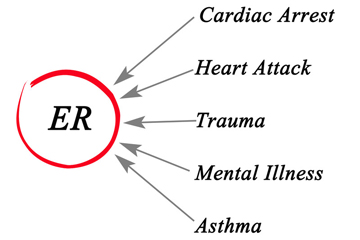
  • A great relief for foreign-born residents and their care providers in the ER: Many cities and townships in U.S. states have immigrants from various countries worldwide such as Mexico, Albania, Iraq, India, Vietnam and so on. When these people visit hospital emergency rooms, interpreters and interpreter services become very useful.
  • Useful during hospital visits: It is not only the emergency room that can benefit from a technology such as Martti, which gives patients and providers access to various languages. Interpreters are indispensable in hospitals as well. Mary Voutt-Goos, Director of Quality and Safety Initiatives at the Henry Ford Health System, says that in her 10 years of experience she has seen a growing demand for languages. She says that her team is responsible for language services that include telephone and in-person interpreters as well as document translation in languages like English, Arabic, Bengali and Spanish for documents including a healthcare visit tool, advance directives, consent forms and patient instruction sheets. Hospitals that don’t have access to technology such as Martti rely on telephones and interpreters to communicate with non-English speaking patients.
  • Versatile technology: Apart from facilitating communication with patients, interpreter services can be used for seminars and classes a hospital offers.

Just as clarity of communication is important during medical transcription outsourcing, it is vital in provider-patient interaction as well. The physician must understand what the patient is trying to say, and the patient must understand what the physician says and the treatment he/she is trying to give. It is only through such communication that you can ensure respect and dignity that form the basis of care. Advanced technological developments such as Martti ensure security, privacy, compliance and cost savings. They can bring about a solid difference in the way care is provided by connecting skilled and experienced interpreters with smart technology, and avoiding any kind of delay in communication.

Emergency Room Visits among the Elderly are Growing

Emergency RoomEven with the widespread adoption of electronic health records (EHRs), many healthcare providers still rely on medical transcription services to manage their clinical documentation as they focus on patient care. In fact, going by recent news, medical transcription outsourcing could become even more critical for emergency physicians. Thousand Oaks Acorn has reported that the number of older adults visiting emergency rooms (ERs) is expected to increase significantly over the next few decades. The report notes that the figure could double in the case of those over 65 and triple among people older than 85. With the nationwide shortage of primary care physicians and geriatric specialists, seniors are being driven to seek care in ERs.

There are many reasons why older people end up in ERs, such as mental illness, accidents and falls, medication side effects, abdominal pain, chest pain, chronic obstructive pulmonary disease (COPD), heart disease, pneumonia, spinal disorders, stroke, so on. The report says that the nation’s emergency departments (EDs) can handle this influx of patients only if they pay attention to and improve their capabilities in specific areas.

  • Mental health: Many seniors deal with multiple health conditions and are usually not aware that they have a mental illness, with the result that it goes untreated. Two hospital studies covering the period from 2007 to 2010 reported that the number of patients age 65 and older coming to the ER with mental health issues such as dementia, Alzheimer’s and depression increased nearly 21 percent.
    People are generally unaware about the mental issues faced by the elderly so that the latter end up in the ER when a crisis occurs. This problem is exacerbated by the fact that EDs are unequipped to provide mental care. According to a survey done in December 2015 by the American College of Emergency Physicians, more than 80 percent of the physicians said that the mental healthcare systems in their regions are dysfunctional, and do not adequately serve patients. A 2016 Healthcare Finance report cites Sandra Schneider, MD, director of emergency medicine practice for ACEP as saying, “One of the biggest problems around psychiatric patients in the emergency department is that when we see a patient with a psychiatric illness, there are very few resources for us in the emergency department that are there on a 24/7 basis.”
  • Side effects of prescription drugs: Many older people need to take drugs to control various medical conditions, function well, and stay alive. Commonly used medications include antihypertensives, blood thinners, insulin and other antihyperglycemic drugs, and pain medication for arthritis and other chronic musculoskeletal problems. The risk of side effects related to the use of drugs increases in late middle age, and when these adverse reactions to the prescription drugs they are taking become severe, they land in ER.
    According to Centers for Disease Control and Prevention (CDC), 35 percent of ER visits among adults age 65 years and older in 2013-14 were for adverse events from prescription medications, compared with 26 percent in 2005-06, and seniors accounted for 44 percent of those who required hospitalization as a result of the drug’s adverse effects.
  • Emergency RoomOpiates: Chronic pain is widespread among older adults and the elderly. Low back pain is the most common problem followed by headache/migraine pain, and neck pain. Over the past several decades, physicians have prescribed older patients medications to address chronic pain from arthritis, spinal osteoarthritis, spinal stenosis, degenerative disc disease, neurological diseases and other illnesses that become more common in later life. Many older adults who are prescribed opioids after surgery continue taking them even three months after they have been discharged. Opioids use ends up hurting patients more than helping them.

    A 2012 study published in the New England Journal of Medicine reported that more than 700,000 adults (ages 45 to 84) were hospitalized specifically for opioid abuse. An article recently published in California Health Report recently stated that the proportion of patients over 65 seeking care at hospital ERs for opioid-related issues in California was second only to Arizona among the 50 states.
    Besides risk of addiction, opioid use leads to potential conditions such as respiratory depression, confusion, loss of balance, dizziness, drowsiness, nausea, and falls. In ERs, the focus is on treating the physical injuries caused by a fall due to prolonged opioid use rather than the root cause, Moreover, seniors also struggle with admitting drug dependency because of the stigma associated with it.

Adult or elderly patients may live alone or in a family setting, receive home-health assistance or reside in an assisted-living facility or other setting. A trip to the ER can be an overwhelming experience, especially for geriatric patients who arrive alone. They have to deal with questions about their condition and later, the anxiety about the diagnosis.

Older adults and caregivers need to be educated on what to expect when they come to ER. Importantly, while ER physicians may be prepared to treat common medical conditions, they need to be aware of the various underlying conditions that patients present with and prepared to deal with these. With extensive experience in providing emergency room transcription service, our medical transcription company is well-equipped to help physicians manage their potentially escalating documentation challenges in the evolving ED scenario.

How Electronic Health Records can lead to Malpractice Errors

Electronic Health RecordsComprehensive, accurate information in the electronic health record (EHR) is crucial to ensure proper diagnosis and continuity in care, as every medical transcription company knows. In fact, reliable EHR-integrated medical transcription services go a long way in preventing documentation errors that can cause medical misdiagnoses and medical mistakes. Physicians need to be aware of EHR-related errors that can lead to malpractice lawsuits and how to prevent them.

According to a Physicians Practice report published in June 2017, studies show that while EHRs are not the primary reason for medical malpractice suits, they were a contributory factor. Keith Klein, MD, a practicing physician in internal medicine and nephrology and clinical professor of medicine at the David Geffen School of Medicine at UCLA points out that for some provider organizations, an EHR-related catastrophe can cost millions. Klein points out that ongoing research by medical malpractice insurer The Doctors Company shows an increased number of lawsuits related to EHRs. Here are the main malpractice errors that can result from EHR use:

  • Careless use of templates and copy-paste functionality: EHR data fields should be filled out afresh at each encounter and not copy-pasted from prior progress notes. Copying and pasting can save time, but physicians should make sure that this does not compromise important, new information and lead to incorrect data that will affect patient care. In a 2016 Medical Economics report, Jeffrey Kagan, MD, a Newington, Connecticut-based internist who reviews malpractice cases for lawyers and insurance companies advises, “While using templates can be helpful, you have to make sure they’re individual to that patient and that particular visit”.
    Physicians need to be mindful of preventing the following mistakes while using EHR templates and copy-paste:

    • Lack of individualized patient records
    • Confusion in gender identity
    • Note bloat at each encounter (this could indicate that the records were enhanced by the computer)
    • Records with several blanks
    • Recurring typos and spacing errors
    • Sequential use of similar phrases
      To avoid these issues that lead to malpractice suits, physicians should update notes at each encounter.
  • Misuse of drop-down menus and auto-complete tool: EHRs support capture of information from drop-down menus. This can make the user click on the wrong item in the menu such as the wrong symptom. Moreover, the use of these menus can lead to structured information, which will interfere with the creation of a rational narrative. Overuse of the auto-complete tool can also lead to lack of data integrity. Using free text to record individualized information about patients can prevent these problems.
  • Allowing EHR data entry to affect physician-patient communication: The Medical Economics report cites an internist as saying that patients sue physicians when they feel disrespected and that physicians aren’t paying attention to them. Physicians need to pay attention to the patient at the encounter and maintain eye contact. He recommends that providers abbreviate their findings and update the record with their findings later.
    Practical alternatives include having a scribe in the room or outsourcing clinical documentation tasks to an experienced medical transcription company.
  • Meta data and ignoring EHR alerts: Ignoring EHR alarms/alerts has been connected to patient harm. In a medical malpractice trial, metadata – the data that can help analyze or interpret clinical information within the EHR – is crucial. Metadata reveals the alerts the physician saw while documenting care in the EHR as well as when the patient’s record was accessed, and how the information was presented. There can be prior versions of the patient record if the physician dictates a report and then modifies a transcription error in the record. This is fodder for the plaintiff’s attorney. The solution is to flag the amended EHR record to indicate that it has been corrected. Also, the physician can include a narrative entry in the medical record statement, clearly documenting the original error and the correction for future reference. The key lies in ensuring that the patient record reflects that chart in a usable manner and does not get distorted when it is examined by a third party.
    Legal experts say that more than timestamps, physicians should pay attention to all alerts that come up and take time to review the patient’s lab reports. When data is being entered in the EHR, alerts may appear if there is a problem with medication dosage or drug-drug interaction. Physicians may get annoyed with frequent alerts and turn them off. This can lead to missing a potential problem. Therefore, physicians should never ignore these prompts.
  • Missing information: Another reason why EHRs can lead to a malpractice suit is an interface breakdown due to poor technology design. For instance, the EHR may fail to display a test result that the physician needs to make a proper diagnosis. The reason could be that the system did not route the information properly.

Medical malpractice insurance provider The Doctor’s Company reports that it closed almost 100 claims between January 2007 and June 2014 in which EHRs were a contributing factor. Up to 97 claims were for diagnosis-related errors, followed by medication-related errors, with the wrong medication, the wrong dose, or improper medication management given to the patient. Northbay Business Journal suggests the following strategies to avoid such EHR-related errors:

  • Electronic Health RecordsReview all available patient information

  • Heed and reconcile drug interaction alerts
  • Pay attention to warnings, reminders, and established practice guidelines
  • Don’t copy-paste indiscriminately from progress notes
  • Make sure that documentation reflects the patient’s condition by using templates correctly
  • Don’t let EHR data entry affect communication with the patient
  • Choose a well-designed EHR
  • Understand that all EHR-interactions are time-tracked and discoverable
  • Adhere to HIPAA regulations related to confidentiality of personal health information
  • Comply with federal and state record retention laws before shredding old records and scanning or entering paper records into the EHR

It is reported that medical specialties most involved in EHR-related claims were primary care, family practice, obstetrics and gynecology, surgical specialties (other than cardiac surgery), nursing, radiology, anesthesiology, general surgery, and internal medicine specialties such as cardiology, hospitalist, oncology, and gastroenterology. Medical transcription companies provide EHR-integrated documentation for all of these specialties. Partnering with a reliable service provider can help minimize the risk of electronic health record related malpractice suits.

Studies Recognize the Importance of Medical Transcription Support for EHR Clinical Documentation

Medical Transcription Support for EHR Clinical Documentation

The tedious and time-consuming workload posed by electronic health record (EHR) data entry for administrative and billing purposes has been identified as one of factors contributing to physician burnout. As a US based medical transcription company, we are well aware of the EHR/EMR data entry for physicians and have reported on how integrating transcription into these systems can help overcome this challenge. Studies highlight the important role of medical transcription in ensuring accurate and effective EHR clinical documentation. In this post, we explore the key benefits of medical transcription services for physicians.

Study Highlights Vital Role of Medical Transcriptionists in Clinical Documentation

A study by the University of Wisconsin and the American Medical Association (AMA), reported by EHR Intelligence, highlights how medical transcription support plays a key role in improving the quality of clinical documentation while also helping to reduce the time physicians spend in front of their screens. The study showed that data entry tasks associated with EHR systems are significantly cutting into available time for physicians to engage with patients.

Researchers evaluated data pertaining to 142 family medicine physicians using a single Epic EHR system in southern Wisconsin. They captured EHR interactions both during clinic hours (defined as 8:00 AM to 6:00 PM Monday through Friday) and outside clinic hours over a three-year period. They analyzed event logging records and assigned each event to one of 15 EHR task categories and found that providers spent an especially significant portion of their workday on documentation and computerized physician order entry (CPOE). The key findings of the study are as follows:

  • Clinicians spent approximately 5.9 hours of an 11.4-hour workday on EHR data entry
  • 4.5 of the 5.9 hours took during clinical hours and about 1.5 occurred during off-hours
  • Clerical and administrative duties such as clinical documentation, order entry, billing and coding, and system security made up about half of the total EHR data entry time
  • Inbox management accounted for a quarter of the time spent using EHRs

The researchers noted that clinician burnout and workload stem not from the EHR itself, but from factors like poor task allocation and shifting federal regulations that disrupt clinical workflows. They argued that offloading certain EHR data entry tasks could reduce physician workload, enhance job satisfaction, and lower burnout risk.

They emphasized the value of medical transcription services in improving documentation quality and saving physicians time. They recommended eliminating the use of CPOE and instead using dictation or handwritten orders delegated to support staff.

While EHR templates may boost efficiency, they often compromise note quality compared to dictated and transcribed documentation. The researchers advised making documentation support staff and training readily available to interested clinicians.

Outsource your medical transcription.

Improve accuracy and save time!

Contact us today

Key Observations on EHR Clinical Documentation:

  • There’s limited evidence that virtual care tools (telehealth, portals, video consults) improve health outcomes.
  • Verbal communication remains the most effective method among clinical teams; overreliance on EHRs for this is discouraged.
  • Hospitals can analyze EHR task categories to better understand how physicians spend their time.
  • Identifying EHR best practices from top-performing teams can enhance clinician satisfaction.
  • Improving EHR usability is essential to support provider satisfaction.

However, during a six-week observation, few physicians used transcription or voice-recognition tools, despite the researchers’ support and recommendations.

In response to study findings, the American Medical Association (AMA) called on health IT developers to improve EHR design and usability. The AMA outlines eight key priorities to enhance EHR systems, emphasizing the need to:

  • Enhance physicians’ ability to deliver high-quality care
  • Support team-based workflows
  • Promote seamless care coordination
  • Ensure product modularity and customization
  • Reduce clinicians’ cognitive burden
  • Enable easy data sharing (data liquidity)
  • Facilitate digital and mobile patient engagement
  • Incorporate user input in design and ongoing improvements

The study suggests that improving EHR efficiency would not only streamline workflows but also reduce physician burnout and improve patient care outcomes.

Incorporating Transcriptionist Quality Checks into EPR System Design

A ResearchGate publication explored the quality-assurance work done by medical transcriptionists when creating medical records and how this work should be considered when designing structured electronic patient record (EPR) systems that require physicians to handle documentation themselves. Researchers used both qualitative and quantitative methods—gathering insights from informal discussions, focus groups, and daily logs of transcriptionists’ quality checks. The findings reveal that transcriptionists play a vital role in maintaining record accuracy, making over six corrections per day on average, with about one in three dictations needing changes. The study recommends that these important quality-assurance efforts be factored into the design of EPR systems.

Boost Accuracy and Efficiency with Transcription Outsourcing

As healthcare systems continue to evolve with the integration of EHRs and digital tools, the need for accurate, efficient clinical documentation remains critical. Studies consistently highlight the vital role medical transcriptionists play in maintaining documentation quality and reducing the administrative burden on physicians. Outsourcing medical transcription offers a practical solution to support clinicians, improve workflow efficiency, and ensure high-quality records—all while allowing providers to focus more on patient care. For healthcare organizations aiming to enhance productivity and reduce burnout, this approach is indeed a smart, cost-effective one.

Learn how we can streamline your clinical documentation.

Call (800) 670 2809today!

Funny Bloopers from Medical Transcriptionists [Infographics]

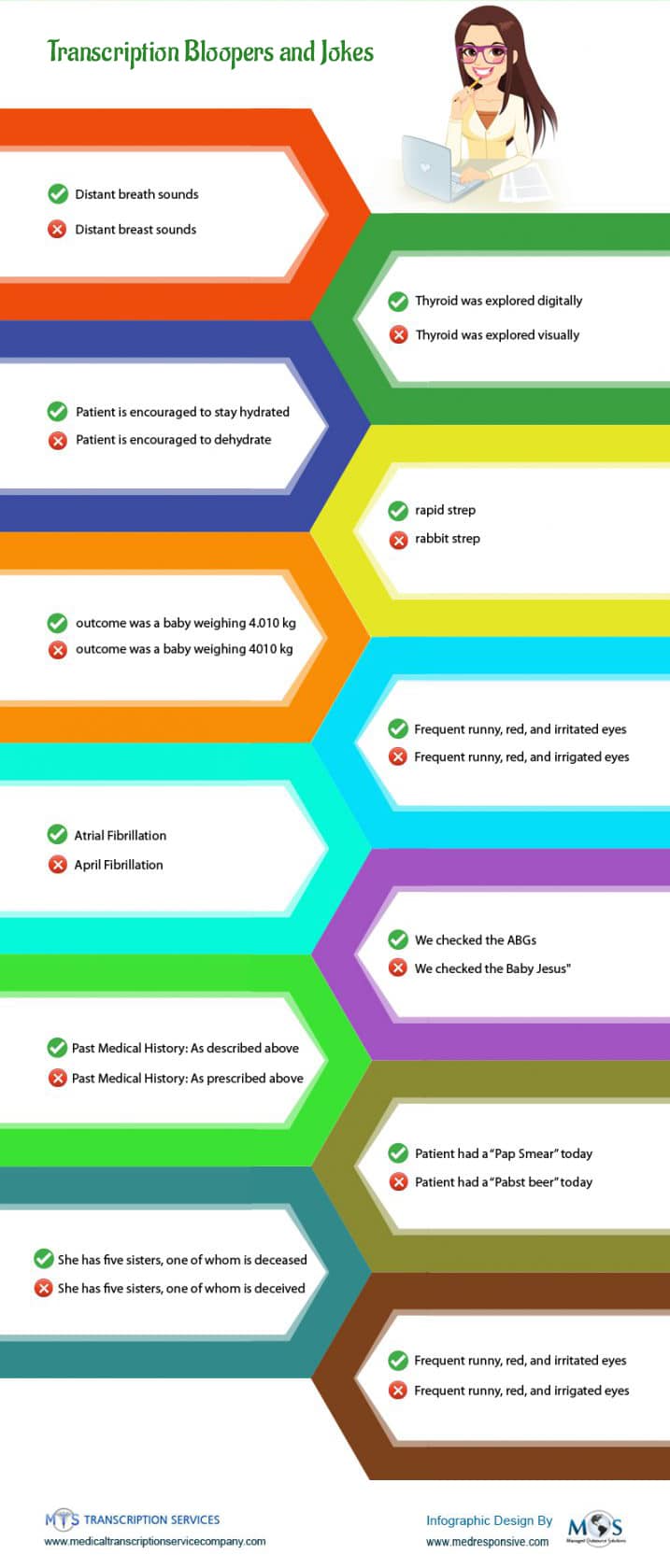
It is important that medical transcriptions maintain an accuracy rate of 99% which is indeed possible with good audio. However, sometimes medical transcriptionists make errors while transcribing physician’s dictations. If you want to reduce or eliminate errors, ensure that medical transcription outsourcing is done to a reliable and experienced service provider.

Medical transcription errors can be serious. A minor error in the transcript or a misspelling of medicine or dosage can cause major health hazards to the patients or even death.

On the lighter side, here are some funny instances of medical transcription.

This infographic shows some funny errors by medical transcriptionists.

Funny Bloopers from Medical Transcriptionists

Here are some recommendations to help practitioners prevent medical transcription errors:

  • Ensure clear recording of dictation
  • Provide precise and complete information
  • Spell out complex words
  • Use a standard format for dictating reports
  • Review dictated reports properly

To ensure accuracy in medical documentation, the transcribed files must be thoroughly reviewed by proofreaders, senior editors and medical experts.

Hurricane-related Health Concerns Physicians should be Ready to Treat

HurricaneThe recent Atlantic hurricanes that devastated many regions in the U.S. are being assessed for the health threats they pose. Physicians and public health authorities need to be alert to manage hurricane-related injuries and health conditions. As an experienced medical transcription company, we are fully prepared to help healthcare providers with their documentation tasks as they handle emergency situations.

A recent report in the Orlando Sentinel says there is a lack of a database to effectively track trends in hurricane-related injuries. Dr. Kenneth Alexander, Alexander, chief of the division of infectious diseases at Nemours Children’s Hospital in Orlando classifies injuries that occur during the hurricane as follows: During the hurricane – Drownings, carbon-monoxide poisoning, ruptured appendix and trauma due to flying objects; injuries that occur afterward: Wounds, falls, respiratory infections, mosquito-borne diseases and diarrhea, and long-term injuries – post-traumatic stress.

We have put together other expert views published online on short-term and long-term injuries that can occur during and after hurricanes.

  • Foot injuries: Podiatrists should expect to see more patients with foot injuries such as lacerations, puncture wounds, and cuts. Foot injuries after a hurricane are common. Burns can be caused electrical shocks from stepping on a live wire when walking in water. Insect and snake bites and cuts from walking barefoot and stepping on a sharp object are also common in stormy weather. While minor injuries can be treated with first aid, cuts that become infected can be dangerous if the person has not had a tetanus shot. Bacteria can enter the body and cause muscle contractions and other problems.
  • Skin infections: Wet areas in houses and buildings are ideal environments for the buildup of mold which can lead to skin infections and rashes. New York Times reports that one Dallas-area shelter had 30 skin infections from Methicillin-resistant Staphylococcus Aureus (MRSA), an antibiotic-resistant form of staphylococcus bacteria. A report from the Centers for Disease Control and Prevention following Hurricane Katrina in 2005 showed 24 cases of hurricane-related wounds infected with Vibrio vulnificus or its relative, Vibrio parahaemolyticus, six of which were fatal.
  • Orthopedic injuries: As the post-hurricane cleanup and rebuilding process begins, orthopedic admissions to emergency rooms can also be expected. Health officials have issued warnings about activities such as climbing ladders or chopping up trees, which can lead to sprains and fractures.
  • Conditions caused by air pollution: As refineries and chemical plants shut down, they can give off toxic air pollution. Though this will not lead to serious problems right away, older adults with asthma and the immune-compromised face the risk of developing inflammations and other ailments. Breathing in the carbon monoxide fumes from portable generators can also be deadly. Long-term risks would depend on the pollutants that spewed into the air.
  • Mosquito-borne diseases: While floods and high winds whisk away and destroy mosquitoes and their larvae, once the waters settle, the pests can return where water stagnates.
  • HurricaneGastrointestinal problems: Exposure to flood water can lead to various diseases and gastrointestinal problems caused by bacteria such as Escherichia coli (E. coli), Shigella, and Vibrio vulnificus. Floodwaters can carry raw sewage, industrial chemicals and solvents and animal waste from fields and forests. According to the New York Times, Houston’s chief medical officer Dr David E. Persse is especially concerned about the norovirus, which causes vomiting, diarrhea and dehydration. While it is not a grave concern for healthy people, severe dehydration can prove fatal for frail older adults.

  • Hypothermia: People who stand in cold water for a long time can develop hypothermia. Even in warmer temperatures, the body can become debilitated after some time. Covering exposed skin, staying warm and drinking hot fluids can reduce risk of hypothermia.
  • Cholera: The Atlantic hurricanes have raised fears of cholera, according to the latest reports. Caused by the intake of the bacterium Vibrio cholerae, which is usually present in water or food that is polluted with fecal matter, cholera outbreaks occur when water pipes or sewage systems fail.
  • Post-traumatic stress: Studies show that hurricanes can affect mental wellbeing in the long-term. The Washington Post reported that residents reported an increase in suicidal thoughts a year after Hurricane Katrina, residents. Post-traumatic stress disorder and depression also got worse.

Emergency physicians are committed to serving their communities even in the face of violent natural disasters like the recent hurricanes. In addition to giving the public advice on dealing with the situation and staying safe, they are doing all they can to treat hurricane patients. Reliable medical transcription companies will do their bit to help providers maintain accurate and timely patient health records and ensure sustainable, high quality care.

Federal Law Calls for Voluntary Certification of Pediatric EHRs

Pediatric EHRAs a medical transcription company, we provide electronic health record (EHR) centred documentation solutions for various specialties including pediatrics. The implementation of EHRs in pediatrics offers many benefits. In fact, a recent press release from the American Academy of Pediatrics highlights the provisions of the 21st Century Cures Act which was passed in December 2016, that focus on the development, adoption and use of health information technology (IT) in medical care. The legislation recognizes that children have special health care needs, including needs related to health IT. The law directs the secretary of the U.S. Department of Health and Human Services (HHS) to recommend and implement voluntary certification criteria for health IT used to support the care of children.

According to Christoph U. Lehmann, M.D., FACMI, FAAP, the medical director of the AAP Child Health Informatics Center (CHIC), “Certification of electronic health records (EHRs) in pediatrics will result in safer, higher quality care for children and better workflow for pediatricians.”

Pediatricians need to ensure that the medical record faithfully documents the child’s condition and the physician’s plans. This is crucial to record the presence/absence of diagnostic signs or atypical events that point to serious illness. A Public Health Law Map report notes that pediatric record keeping involves certain specific issues:

First, most visits are for minor illnesses and consequently, many physicians tend to keep only sketchy records on children.

Second, unlike adult medical records, pediatric medical records need to track growth and development.

Other special considerations in pediatrics include complex privacy and confidentiality considerations, and the dynamic developmental needs of children and adolescents.

Besides improving the quality of patient care and providing easy access of data, EHR implementation helps physicians detect disease quickly, improve surveillance, and make quality comparisons. Today, advanced software allows pediatricians to:

  • Track patients’ growth data by calculating, comparing and accurately displaying the growth percentage and body mass index of the child from time to time.
  • Maintain drug dosages based on the patient’s data, providing the most accurate, up-to-date and complete information, thereby reducing chances of misdiagnosis or prescribing wrong medication.
  • Incorporate documentation templates that physicians can access whenever required. Lab results can be included in the patient’s records, which eliminates the risks of wrong treatment due to challenges like illegible handwriting or misplaced records.
  • Record and display immunization data, allowing pediatricians to provide information about completed immunizations, configure to the practice’s vaccine schedule, and get reminders to prevent missed immunizations.

However, the AAP identifies several issues that pediatricians continue to face when it comes to electronic health records such as interoperability, patient safety and information security. The 21st Century Cures Act addresses the problem of interoperability by calling for:

  • The development of a framework to facilitate information exchange between EHRs
  • Instituting penalties for information blocking
  • Encouraging two-way communication between EHR systems and registries.

The law also supports certification and development of patient-centered EHRs to improve patient access to secure and up-to-date health information.

Pediatric EHRProper record-keeping is also crucial to avoid allegations of pediatric malpractice. The Public Health Law Map report notes that many of the cases in which pediatricians are charged with failure to diagnose a condition are actually due to a systems failure in the physician’s office routine rather than an error in medical judgment. Pediatricians need to pay special attention to documenting all findings about the patient’s condition, the treatment plan and any unusual events. Failure to maintain clear and concise records can mask the presence and absence of diagnostic signs that indicate a serious illness in children and adolescents.
A study by the AAP covering the period from July to December 2012 showed that the number of office-based pediatricians who are using an EHR rose steadily from 2009 to almost 80%. EHR cost and reduction in productivity remain serious concerns. Even with the widespread implementation of EHRs by pediatricians, only some use a basic or fully functional EHR, and even fewer have added pediatric functionality. In this context, the EHR certification process visualized by the 21st Century Cures Act has a key role in improving the functionalities used by pediatricians and increasing efficiency, data exchange capability, and general EHR functionality.

Pediatric medical transcription services provide the solution to many of these challenges. Outsourcing clinical documentation tasks to an experienced medical transcription company can minimize EHR data entry errors, ensure comprehensive record-keeping, expedite patient care, streamline workflow within the practice, free up time for physicians and also reduce workplace chaos. Further, as medical transcription services for practices are based on volume of work done, physicians can avoid the expenses associated with maintaining an in-house team to handle transcription tasks.

Key Drivers for Physician Burnout and Mitigation Strategies

Physician BurnoutAs a medical transcription company with years of experience in the industry, we are well aware of the problem of physician burnout. In addition to affecting physicians, burnout is linked to lower quality of care, lower patient satisfaction, increased risks of medical errors and higher rates of physician turnover. We have written about the role of medical transcriptionists in reducing physician stress and burnout. However, burnout is not just about the burden of clinical documentation. A recent article in Medical News Today says that physicians at all stages of education and training face risk for burnout. Studies report that up to 25 to 50% of medical students experience depression and anxiety, and that half report symptoms of burnout. The Advisory Board notes that more than half of US physicians are now experiencing professional burnout.

To tackle the problem, it is necessary to understand the key drivers for physician stress and burnout:

High demands of training: It is reported that high demands of residency and fellowship training are the major reasons for depression symptoms and burnout at student level.

Increased regulatory burden: Confusing and burdensome regulatory programs encroach into the critical time physicians could be spending to provide high-quality care for their patients. The Advisory Board reports that each week, a physician spends around 11 hours on non-clinical paperwork each week.

Excessive workload and extended time at work: A 2014 survey from the Physicians Foundation found that 81% of physicians spent too many hours at work. The Advisory Board survey found that only 14% of physicians felt they had the time they need to provide the highest standard of care.

Increasing computerization: One of the main reasons for increase in burnout rates during the period from 2013 to 2015 was “increasing computerization of practice”, reports Medscape. EHRs offer many benefits but have made clinical data entry burdensome for physicians. In fact, in a 2014 Medscape survey 70% of physicians said that the EHR decreased their face-to-face time with patients, and 57% noted that it affected their ability to see patients. Moreover, EMRs enable patients to contact their physician directly via messaging. Physicians are expected to provide information outside of scheduled clinic visits through these systems.

Compromised decision-making: Clinical decision making is a keystone of high-quality care, especially in fields like emergency medicine. However, 69% of the respondents in the Advisory Board survey reported that their clinical autonomy is occasionally or often restricted, and that their decisions may be compromised.

Emotional and physical exhaustion: Studies have found that physicians who become emotionally exhausted become stressed. Lack of control over schedules and time can lead to poor sleep patterns, interfere with family activities and events, and poor self-care, all of which cause physical and emotional exhaustion, resulting in burnout.

Patients: Medical News Today reports that striving for high patient satisfaction scores is a driver of physician burnout. Physicians could end up with low scores for reasons such as not prescribing antibiotics (even if it is not indicated), not providing a controlled substance at the patient’s request, or not ordering unnecessary laboratory tests. Clinicians are expected to handle difficult patients with drug-seeking, noncompliant, or even threatening behavior.

A 2016 NEJM Catalyst survey found that 96% of executives, clinical leaders, and clinicians consider physician burnout a serious or moderate problem in the health care industry. In the Physicians Practice 2016 Great American Physician (GAP) Survey, 1,314 physicians reported that the profession as being more stressful and less financially profitable than in the past. With an impending physician shortage and demand for access on the rise, the entire health care industry needs to work together to find a solution to the problem of physician stress and burnout. The good news is that experts have put forward various measures to mitigate the problem.

Organization-directed interventions: The first step to overcoming physician burnout at the organization level is to identify and understand the root causes. Leaders must conduct a thorough survey to assess the problem and then take corrective action. Institutional support can include optimizing physician workflows, reducing EHR burdens, and increasing physician time for direct patient care. These organizational interventions can have a positive impact on burnout. Organizations also need to track whether these changes are making a difference.

Giving physicians an active role in decision making: This is also an intervention that needs to be implemented at the organizational level. The Advisory Board reiterates that where appropriate, physicians must be given an option in how new initiatives affect their day-to-day practice and work-life balance. This will show that their views on a new initiative were taken into consideration.

Physician StressPhysician-directed approaches: These include interventions targeting individuals such as mindfulness or cognitive behavioral techniques to improve coping, communication, and competence. Medscape reports that a study found that PCPs benefited from mental training. After an attending a program consisting of a nonresidential weekend immersion along with two short follow-up evening sessions, PCPs reported significant reductions in burnout, depression, anxiety, and stress which were sustained at the end of the study 9 months after the intervention. The study described mindfulness as “mental training that enables one to attend to aspects of experience in a nonjudgmental, nonreactive way, which in turn helps cultivate clear thinking, equanimity, compassion, and open-heartedness.”

Increase physicians’ time with patients: The AMA’s STEPS Forward program refocuses physicians towards spending more time directly caring for patients. The educational modules of the program are aimed at tackling common practice challenges, frequently focused on increasing physician productivity. For instance, one module focuses on optimizing staff performance and increasing the responsibilities of clinical staff before and after the physician component of the visit.

Emotional support: Physicians need professional support to cope with emotional stressors. There is the need to create a safe space so that they can seek mental health support without fear of reprisal. Physicians should be encouraged to communicate their frustrations and educated on tactics that can promote personal healing.

Studies have found that the ability to control work hours and schedule play an important role in reducing stress, improving career satisfaction, and reducing burnout. In one study, physicians reported that learning to set limits improved their sense of well-being and productivity. Physicians also need to take time out to relax, take breaks for meals and exercise, and be with their family.

The 2016 Catalyst NEJM survey found that clerical burden due to expanded and more comprehensive use of electronic health records is the leading cause of physician burnout. Medical transcription outsourcing is the ideal option to deal with clinical documentation tasks. US based medical transcription companies provide customized EHR-integrated align with practice workflow, improve care, and reduce physicians’ stressful clinical data entry tasks.

Watching the Eclipse – Did it Damage Your Eyes?

EclipseOn Aug 21, 2017, a total solar eclipse referred to as The Great American eclipse was visible across North America, across 14 states from Oregon to South Carolina. This eclipse that occurred for the first time in 99 years created massive traffic jams as an estimated 12 million people headed to the 70-mile wide path during the day of the event. Eye care professionals were also busy as more and more people consulted them regarding eye safety considerations related to solar eclipse. As a medical transcription company serving ophthalmologists among other specialty doctors, we know that this is a typical occasion when eye doctors would be warning their patients about solar retinopathy, a serious condition that develops from direct sunlight exposure.

Watching a solar eclipse is a memorable experience, but looking directly at the sun can seriously damage your eyes. It is highly recommended to use ISO certified solar glasses to safely view the sun before totality. A pinhole projection or video display is recommended as a reliable way to safely watch the eclipse. It is estimated that there were more than 40 million views on nasa.gov live broadcast, and multiple social platforms. Also, NASA reported that an estimated 100 million people watched livestreams and videos of the eclipse on YouTube.

10 to 20 seconds is long enough for the sun’s rays to damage uncovered or improperly covered eyes. Staring at the sun with naked eye can even cause blindness. This can even result in a condition called solar retinopathy, which is typically irreversible, and there’s no treatment for this. Short term issues that can occur include solar keratitis, which is similar to sunburn of the cornea. This condition can cause eye pain and light sensitivity, with symptoms often occurring within 24 hours after exposure. However, long-term damage to the retina in the back of the eye cannot be realized soon, until symptoms occur.

The American Academy of Ophthalmology (AAO) reminds people that ordinary sunglasses, even very dark ones, or homemade filters are not safe for looking at the sun. AAO and the American Astronomical Society have also released certain tips for safe eclipse viewing, which include:

  • Do not use solar filter or eclipse glasses with signs of scratches or damage.
  • Never look at the un-eclipsed or partially eclipsed sun through an unfiltered camera, telescope, or binoculars, even if you are wearing eclipse glasses or holding a solar viewer at the same time.
  • Consult an expert astronomer if you want to use a special solar filter with a camera, a telescope, binoculars or any other optical device.
  • The only time that you can look at the sun without a solar viewer is during a total eclipse.
  • Stand still and cover your eyes with eclipse glasses or solar viewer before looking up at the bright sun. Remember not to remove the glasses while looking at the sun.

U.S. based medical transcription companies that serve eye specialists often see an increase in the mention of aspects such as “dim vision” and “blind spots in the center of vision” in the patient notes of ophthalmologists. Not surprisingly, on the day after the 2017 eclipse CBS Denver reported that optometrists and ophthalmologists across the Denver metro area saw a surge in patients complaining of eye discomfort caused by the eclipse.

Did you watch the eclipse without the proper viewing protection? If you have stared at the sun too long, note these signs of potential eye damage.

  • Check whether you experience visual disturbances, such as blurriness or decreased vision in the center, color distortion, afterimages, blind spots, and vision loss, which are primary signs of retinal damage.
  • Often, there are no immediate signs of eye damage after viewing an eclipse without proper eye protection. Symptoms can occur immediately, within several hours or even weeks after exposure.
  • You’re probably fine, if you have a headache after watching the eclipse without any vision disturbances. Make sure to look out for any vision problems in the following days.
  • Potential signs of damage include sensitivity to light, eye pain, and loss of vision in one or both eyes.

Get examined by an ophthalmologist. Eye damage will depend on how long you stared at the sun. Temporary vision problems can be treated by your doctor. You may be prescribed anti-inflammatory medications and steroids to reduce the swelling.

The next solar eclipse is in 2024, when once again ophthalmologists and other healthcare providers would be busy providing the right recommendations to people and care for those who may have unfortunately harmed their eyes.

  • KEY FEATURES

    • 3 Levels of Quality Assurance
    • Accuracy Level of 99%
    • All Specialties Covered
    • Competitive Pricing
    • Digital Recorder Dictation
    • Electronic Signatures
    • Feeds for EHR or EPM
    • HIPAA Compliant Service
    • Quick Turnaround Time
    • Toll Free Phone Dictation
    • Transcription Management Software
    • Volume Rates Available
  • RECENT BLOGS

  • Categories

  • Quick Contact


    • Infographics