How Manual Editing and Review Are Relevant in SR-assisted Transcription

Even with the availability of advanced technologies such as voice recognition software that assist the transcription industry, manual editing and review provided by professional medical transcription services has its own relevance, proves a recent JAMA study.

Speech-recognition software such as Dragon Naturally speaking has now emerged as valuable tools for doctors and other clinicians, as it can automate the process of transcribing medical reports, thus reducing the efforts by physicians to record and send voice files for transcription. According to the latest market report by Technavio, the emergence of voice recognition technologies is considered as one of the key emerging trends in the global medical transcription market. Though this software is designed to convert audio files to text without human intervention, its accuracy is still a great concern.
Manual Editing

The latest study published in JAMA Open Network finds 7.4 percent of the words were incorrectly transcribed by the automated software. To identify and analyze errors at each stage of the Speech-recognition (SR) assisted dictation process, the team from Brigham and Women’s Hospital, Harvard Medical School, and other prestigious institutions collected a stratified random sample of 217 notes dictated by 144 physicians between January 1 and December 31, 2016, at 2 healthcare organizations using Dragon Medical 360 | eScription (Nuance). These collected samples include44 operative notes, 83 office notes, and 40 discharge summaries from Partners HealthCare and 15 operative notes and 35 discharge summaries from UCHealth. They reviewed each note at the main processing stages of dictation. The team analyzed errors at different dictation processing stages using the same back-end SR system.

Medical record review was also conducted to validate notes’ content, such as by referring to a patient’s structured medication list to verify a medication order that was partially inaudible in the original audio recording.

The error rate represents the number of mistakes per 100 words. Key findings of this cross-sectional study include:

  • Overall, 96.3 percent of the 217 notes included at least one error directly after dictation and before review by human transcriptionists or physicians themselves.
  • Seven in 100 words in unedited clinical documents created with speech recognition technology involved errors, reaching an overall mean (SD) error rate of 7.4% and 1 in 250 words contained clinically significant errors.
  • The rate of errors decreased substantially following revision by medical transcriptionists, to 0.4%. Errors were further reduced in signed notes (SNs), which had an overall error rate of 0.3%.
  • The proportion of errors that were clinically significant increased from 5.7% in the original SR transcriptions to 8.9% after being edited by an MT, and then decreased to 6.4% in SNs.
  • There were 329 errors in the 33-note subset. For the 171 errors that were identified by both annotators, inter-annotator agreement was 71.9%.
  • Across all the original SR transcriptions, discharge summaries had higher error rates than other note types, and operative notes had lower error rates.

The first study of its kind to analyze errors at the different processing stages of documents created with a back-end SR system, this research with the comparatively low error rate in signed notes highlights the crucial role of manual editing and review in the SR-assisted documentation process.

Certain documentation errors can put patients at significant risk. Medical practices must make sure that even while using voice recognition software to ease their transcription process, they should consider manual review, quality assurance, and auditing at the last stage of the process to ensure that the reports are accurate enough. It is ideal to outsource such tasks to an experienced HIPAA-compliant medical transcription company that meets the standard accuracy level at a faster turnaround time.
Study: Mining Progress Notes in EHRs could Help Diagnose Dementia

Many physicians rely on medical transcription companies to transcribe and chart patient evaluation data in electronic health records (EHRs). EHR physician notes contain valuable medical information that is crucial to improving patient care. Medical Xpress recently reported on a new study published in the Journal of the American Medical Informatics Association which found that mining unstructured physician notes in the EHR could significantly improve diagnosis of dementia or Alzheimer’s disease (AD) for more people in hospital settings. The study was carried out by researchers from University of Wisconsin-Madison School of Nursing, William S. Middleton Memorial Veterans Hospital in Madison, and Penn State University.

Dementia

Alzheimer’s is a progressive, neurodegenerative condition and often diagnosed based on symptoms. Unlike most other medical conditions, there is no blood test or imaging test that can identify dementia with 100 percent accuracy. This complex disease is characterized by mild cognitive impairment or MCI in the primary stages. Early and repeated evaluation of cognitive change is crucial to diagnosis and treatment. Here are some facts about dementia from the World Health Organization:

  • Dementia is a progressive disorder that mainly affects older people, but is not a part of aging
  • This chronic condition affects memory, thinking, behavior and ability to perform daily activities
  • In 2015, 50 million people lived with dementia worldwide
  • A new case is diagnosed every 3 seconds
  • People with dementia face discrimination
  • The disease costs healthcare systems a staggering US 818 billion per year, and the predicted increase of dementia will have a huge economic impact
  • Caregivers of people with dementia experience high strain
  • Early diagnosis improves quality of life for people with dementia and their families
  • Awareness and advocacy can improve quality of life of people with dementia and their caregivers
  • More research is needed to develop new treatments and better identify causes and modifiable risk factors of dementia

If dementia is diagnosed in tests carried out in the primary care setting, patients are generally prescribed an anti-dementia medication. However, dementia goes under-recognized when people visit a hospital. According to the UW-Madison researchers, there several reasons for this:

  • 40 to 60 percent of dementia cases are not been detected in the outpatient setting or even if they are, they have not been diagnosed.
  • Even if the condition is identified, the primary care provider may not record dementia in the EHR to save patients from the stigma associated with the condition.
  • Racial and ethnic minorities or people from low socio-economic background are at highest risk for developing dementia, but they tend to have less access to the primary care or specialized memory care clinics where AD is initially diagnosed.

When these people visit the hospital for the treatment of a chronic condition, the memory and reasoning problems associated with AD and other kinds of dementia go under-recognized.

In the hospital and recovery clinic, physicians and nurses record their observations and interactions with a patient, the treatment plan, and how the patient responded in the electronic health record. The UW-Madison study found that these EHR ‘progress notes’ or ‘provider notes’ could provide vital clues about the patient’s cognitive function.

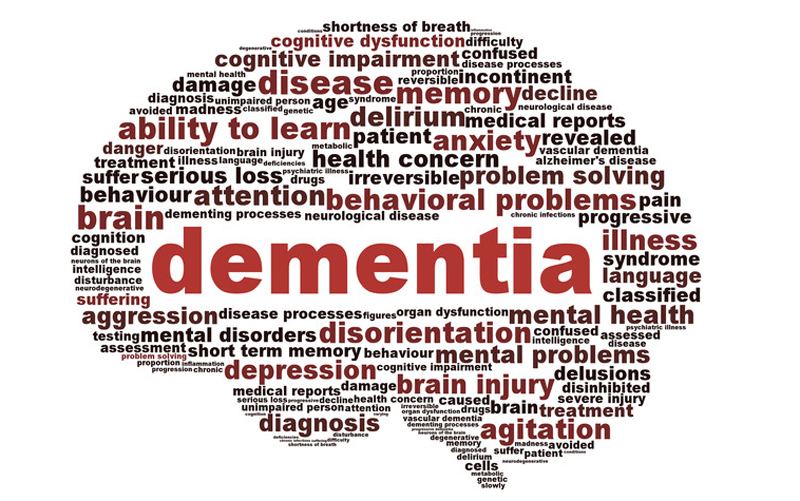
The researchers reviewed the notes from unstructured fields in the EHRs of 343 people diagnosed with dementia to identify words and phrases that describe cognitive dysfunction such as “forgetful at times, “increased confusion in the evening,” “disoriented and agitated,” “limited by confusion” and “finding it hard to find words”. They found that 90% of the EHRs had notes signifying one or more of these descriptors of confusion or cognition.

Medical Xpress recently reported on another new study which found that hospitals in the UK recognized dementia in under two-thirds of people after they have been admitted for a different reason. Hospitals tend to miss dementia regardless of prior diagnosis, according to this UCL-led study. Similar to the UW-Madison study, the researchers found that it is those of ethnic minority backgrounds that are almost twice as likely to have missed diagnoses in general hospitals compared to white patients. The researchers also reported that hospitals are also less likely to identify dementia for single people, younger people, and people with more severe physical illness.

The UW-Madison team suggests that clinicians flag the common terms that describe cognitive dysfunction as they record their notes. This will improve care in many ways:

  • Flagging their notes will allow physicians and nurses and future care providers to make customized prescription and treatment decisions targeting their patients’ cognitive functioning.
  • It may also help them refer more unrecognized dementia cases to follow-up care and subsequent diagnosis
  • Flagging EHR notes may improve diagnosis and treatment rates for people from the racial and economic groups who are more likely to go directly to a hospital clinic or emergency room for medical care
  • Highlighting progress notes with dementia-related terms could prove very useful for research into the causes and treatment of dementia

Reports say that up to 80% of all health record data is trapped in this unstructured text, which includes lab reports, pharmacy systems, discharge summaries, scanned documents, e-faxes, and e-mail messages. Medical transcription outsourcing helps healthcare providers ensure neat, legible, type-written notes within electronic health records (EHRs). Many health systems are now looking to natural language processing (NLP) tools to mine and analyze these free-text notes and understand what going on with their patients.

Challenges of Patient Monitoring in General Care – Bedside Devices can Save the Day, say Studies

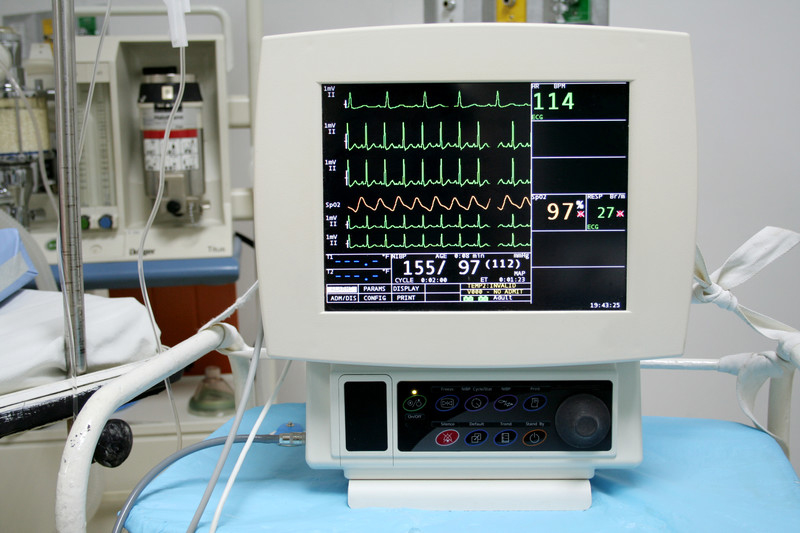
Patients are shifted from the intensive care unit (ICU) to a general floor when the physician determines that they no longer need such close surveillance and individualized care. Most patients and their caregivers see this decision as a step in their progress from being gravely ill to recovering. Medical transcription outsourcing ensures that the care team stays informed about the facts and circumstances related to the care provided at all stages. However, the lack of continuous or uninterrupted monitoring of vital signs when the patient is shifted out the ICU is often associated with increased morbidity and mortality. Experts point out that continuous or uninterrupted monitoring of patients transferred to general care is critical to their safety and to promote optimal outcomes. A recent www.mddionline.com report explains how a Cleveland Clinic physician is pushing for the use of technology to ensure intensivein-patient monitoring on the general care floors.

Bedside Devices

In the ICU, patients receive constant, one-to-one care from a team of healthcare professionals trained in critical care. Heart, blood pressure, and respiratory rateare monitored via machines. Ventilators may assist patients with breathing concerns until they are able to breathe naturally. Nurses report any deviations to the attending physician so that appropriate interventions can be implemented. One-to-one nursing care and 24X7 monitoring of vital signs ensures patient safety.

When ICU patients are transferred to the general wards, it signifies that their condition is improving and they no longer need the specialized care of the ICU team. Nurses perform vital check routines and monitor the patient’s condition in the general ward too, but only every four to six hours.

Monitoring only at extended intervals can lead nurses to miss signs of patient deterioration and imminent complications. For instance, they may miss symptoms of a drop in the oxygen levels in the blood, the condition known as hypoxemia. Studies have shown that respiratory failure, especially in unmonitored settings, is one of the most serious problems in hospitalized patients recovering from noncardiac surgery. Unlike critical care where continuous monitoring of respiratory function reduces the risk of undetected hypoxemia, patients in general care are seen only in a “snapshot of time”, with the result that signs of deterioration may be missed. Even if hypoxemia does not lead to respiratory arrest, it could be a strong sign of patient instability, affect wound healing, and lead to other serious complications.

According to Ashish Khanna, MD, an anesthesiologist and researcher at the Cleveland Clinic, physicians can monitor patients in general care better using aportable monitoring device. Khanna notes that:

  • hypoxemia is very unpredictable and there is not good prediction model to understand which patients are at risk for cardiorespiratory depression
  • studies show that about 40% of patients who develop the condition end up dying, according to some studies

The physician’s recently published study in the Journal of Critical Care describes the challenges associated with predicting episodes or severity of cardiorespiratory decompression in patients in general care who seem to be in stable condition. The paper also describes the protocol for an ongoing global trial using the Medtronic Capnostream 35 portable respiratory monitor that could significantly help in better monitoring to identify signs of deterioration in these patients earlier, that is, between routine checks.

The MedtronicCapnostream device is designed for monitoring in virtually any clinical setting. This portable monitor incorporates advanced technology and features designed to enhance workflow. It delivers real-time, continuous monitoring of the patient’s respiratory status by measuring end-tidal carbon dioxide (etCO2), pulse oximetry (SpO2), respiration rate (RR), and pulse rate. All of these variables are incorporated into a single number and displayed on a scale from 1 to 10, with 10 indicating a normal respiratory status. The ongoing global trial using the Medtronic device is aimed at deriving a risk prediction score for respiratory depression (RD) on the general care ward.

The data provided by the study is expected to reveal patterns:

  • To determine real-time predictors of which patients are likely to experience respiratory depression
  • When they might experience it, and
  • Which patients should receive more intensive monitoring than the current standard of care

“In the end, nothing speaks like hard data. My hope is that once we’re able to prove that there is a prediction model that can be effectively used to understand who needs more intensive monitoring and then we can ultimately show that it’s cost effective, we will hopefully move in that direction,” says Khanna. He visualizes a future when hospitalized patients would wear the compact smart device so that they can be continuously monitored through surgery, through their stay in the hospital, and possibly even after they are discharged.

In addition to enhancing patient safety and care, continuous contact-free patient monitoring can also save money. HIT Consultant reported on a study published in Critical Care Medicine which suggests that improved patient monitoring can save the US healthcare system up to $15 billion annually. In this study too, the researchers describe how technology can save the day. The researchers found that hospitals implementing the EarlySense tool enjoy higher cost savings through clinical improvements. The system leverages Big Data and advanced algorithms to empower clinical staff in general wards to detect patients’ deterioration early by following and analyzing the patients’ vital signs and motion. This allows them to improve clinical outcomes and proactively reduce length of stay in the hospital’s unmonitored wards and in the ICU. This also reduces risk of adverse events such as pressure ulcers and falls and helps avoid cardiac and respiratory arrests.

Regardless of whether patients are in critical care or in the general ward, outsourcing medical transcription to an experienced service provider can ensure that the events of the patient encounter are captured accurately and that the electronic health record (EHR) properly reflects the services that were provided.

Shared Medical Appointments offer Significant Benefits for Both Patients and Providers, say Reports

A patient’s medical appointment with a physician is valuable time. Many providers rely on medical transcription outsourcing to create complete and accurate electronic medical records that tell the patient’s story and meet all legal, regulatory and auditing requirements. Physicians strive to utilize the precious time spent with the patient to deliver comprehensive care. However, the escalating demand for healthcare services, overcrowded waiting rooms, and the shorter visit are significant challenges when it comes to delivering quality care. Experts are touting shared medical appointments as the answer.

Shared Medical Appointments

The concept of shared medical appointments – care delivered in a group setting – is not new. It was developed in the mid-1990s by Dr. Ed Noffsinger when he was at Kaiser Permanente. In this type of clinical encounter, one or more healthcare professionals provide care to a group of patients.

The American Academy of Family Physicians (AAFP) supports group visits and considers them a proven, effective method for improving self-care among patients with chronic conditions as well as increasing patient satisfaction, and improving outcomes. The basic features of a shared medical appointment are as follows:

  • Multiple patients are seen as a group for management of chronic conditions or follow-up care.
  • Patients attending shared appointments usually have something in common, such as medical condition.
  • Group medical appointments can last as long as 2½ hours.
  • Services include patient education and counselling with additional members of a health care team (such as a behaviorist, nutritionist, or health educator), physical examination, and clinical support.
  • These visits are voluntary for patients.
  • The visits provide a secure but interactive setting in which patients have improved access to their physicians.

Cleveland Clinic and Oakland, California-based Kaiser Permanente are among the leading US healthcare systems that are touting group medical appointments as a strategy to help both patients and physicians make the most of the office visit, according to a recent Washington Post report. Cleveland Clinic offers over 200 types of shared appointments, such as groups for diabetes or heart disease, male and female wellness, osteoporosis, prenatal and postpartum issues, chronic pain and cancer survivorship. Patients can see eight to 10 peers and a physician to discuss health challenges, nutrition and exercise for an hour or more each month.

A 2013 study reported group medical visits for diabetes patients helped reduce glycatedhemoglobin (HBA1c) levels. The Washington Post article describes how a 55-year-old man, who was severely diabetic and overweight, benefitted immensely from Cleveland Clinic’s group sessions. Traditional medical appointments had very little effect on his condition. Shared appointments covering 800 days helped substantially with weight and diabetes management and improved his control over his health.

According to Massachusetts General Hospital (MGH), group visits are especially beneficial to manage patients with chronic diseases, such as diabetes, asthma, ulcerative colitis, multiple sclerosis, cancer, and HIV. With their interdisciplinary approach to medicine, shared appointments include an individualized medical review as well as an educational and group discussion component.

A 1997 study found that group visits for chronically ill older patients resulted in less emergency room visits and repeat hospital stays, reduced the cost of care, and improved satisfaction among both patients and physicians. Studies have shown that compared with individual visits, group interventions are linked to clinically significant improvement in various medical, psychological and behavioural outcomes. Patients can share experiences and advice with one another.

A 2015 study published in the journal Healthcare policy reported that group visits allow providers to see more patients more efficiently. The study listed several tangible benefits of group sessions for providers:

  • Shared medical visits enable more in-depth communication and a more holistic approach to care.
  • Providers could teach the whole group at once, which reduced the need to repeat health education messages (e.g., reasons for a high HbA1c) across several individual visits.
  • Providers witnessed reinforcement of key messages by patients sharing their own experience.
  • Physicians reported that group medical visits provided more opportunities for in-depth patient-provider interactions.
  • The sessions allowed providers to quickly address the common and predictable parts of a visit (e.g., blood pressure, weight) and focus on providing guidance on the complexity of living with different and often multiple chronic conditions.
  • Providers benefited from peer patients providing their personal experience and emotional support.
  • Patients are more comfortable interacting with physicians in the less formal environment of these sessions.
  • Group sessions reduce physician burnout and improve their work-life balance.

By enabling providers to see more patients than their typical schedules allow, group visits could prove especially beneficial in the face of the looming physician shortage. However, the group approach may not be right for everyone. The Cleveland Clinic model says that shared medical visits may benefit patients needing routine follow up care due to chronic conditions, those who want more information about their specific health concerns, and people who need more time with their physicians for mind and body care. They caution that:

  • Shared appointments cannot replace regular medical appointments with the physician
  • They cannot diagnose and treat complex conditions or be used as a one-time consultation
  • All urgent medical concerns should be addressed by a specialist immediately.

The traditional office visit is also a better option for people who have hearing problems, do not speak a shared language or have complex medical concerns.

Additionally, shared medical appointments may not be favoured by every doctor, especially those who are not comfortable working in a group setting. To succeed, the provider leading the group should have the required facilitation skills. The practice must also have the space needed to conduct the group visit.

Nevertheless, long waiting times and the physician shortage crisis are factors that may drive the popularity of group visits. The appointments, which are billed as medical visits, are covered by most insurance plans. The AAFP notes that, just as regular office visits, shared medical appointments should be documented in each participating patient’s medical record. The documentation should indicate the individual services provided to each patient as well as the services provided to the group as a whole at each encounter. Outsourcing medical transcription is a viable option for physicians who provide and document such appointments. It will reduce their workload and provide them with more time to deliver focused patient care. Quality medical record documentation is also critical to ensure appropriate reimbursement for services provided.

How Virtual Care Doctors Are Significant for Better Health Care

Virtual care doctors are a great boon for patients when they require immediate medical advice, but may not be able to actually visit a doctor. Advanced technology has made virtual doctors and telehealth a reality, enabling quality patient care to be provided to remote patients. Many doctors now extend service virtually through the internet to a broader audience and patients can access their doctor through emails, video conferencing or even telephonic conversation. These recordings can be transcribed into accurate patient records with medical transcription services. Virtual healthcare will increase the availability of medical care. According to the Park Marketing Research company, household consulting physicians via video will increase from 900,000 in 2013 to 22.6 in 2018 and the revenue is also expected to increase from $100 million to $13.7 billion in 2018.

Health Care

Advantages of Virtual Care

  • It is convenient for doctors and patients: Virtual care is a convenient option for doctors and patients because patients need not take day off from work and doctors can provide the service at any time. This is a very helpful option especially for patients with post-partum depression, patients who are in jail, those who are travelling, and those who are immobile.
  • Virtual waiting room is better than physical waiting room: Many patients are averse to spending long hours waiting to see the doctor. This is particularly so, when they have to share a room with other sick people, especially in the case of elders who have a weak immune system. Virtual care system helps patients to consult a doctor from the convenience of their own home.
  • Better patient engagement: Video conferencing or telehealth allows direct contact with patients. This makes patients feel that they get better care and attention through a virtual visit.

The Example of Methodist Family Health Centre

MethodistNOW provides virtual patient care with licensed and board-certified doctors. It is a convenient and affordable option for patients to receive quality care and this is how it works:

  • Provide your symptoms: The first and foremost step is to undergo an online health interview by answering how the patient feels and mention all the symptoms. If required, post a photograph of the patient also using smartphones, tablets or other devices. The entire process of interview takes only about 5 to 10 minutes.
  • Doctor reviews the medical document: Once the documents are submitted, within 60 minutes a MethodistNOW doctor will review the responses from the patients and develop a treatment plan. If the virtual visit is during after-hours, then the patient will receive the response the next day. In case the patient cannot be treated online, he/she is asked to pay a visit to the hospital but no cost is charged for the visits.
  • Select your pharmacy: Once the treatment plan is ready it will have a link to prescription. After filling up the prescription field, the patient can choose a pharmacy and send the prescription to them. This is an easy process.

Any individual above 18 years of age can create a MethodistNOW account but in the case of minor patients, the account must be completed by a parent. Apart from cold and flu, MethodistNOW doctors can provide patient care in case of sinus infection, pink eye, bladder infection, and motion sickness. The quality of service provided by virtual doctors is the same as that patients receive when they pay a personal visit to the doctor.

Virtual care is a new form of medical application that makes it easier to provide timely and efficient patient care. It can minimize hospital admissions, increase the number of patients who can be seen and ensure better post hospital patient care when hospitals become less crowded. Virtual care doctors also can count on the dedicated services of a medical transcription company for accurate and clear documentation.

EHR Optimization can Improve Patient Care and Reduce Physician Burnout

EHRs are designed to promote legible, up-to-date complete documentation at the point of care, help physicians improve efficiency and meet their business goals, and share accurate, up-to-date, and complete information on care with patients and other providers. Medical transcription outsourcing helps physicians manage their burdensome EHR documentation tasks. However, recent reports point out that while digital patient records have been widely implemented across the U.S., EHR optimization is the key to harnessing its benefits.

EHR Optimization

Developments such as the drive for value-based care and reimbursement are driving the demand for EHR optimization among physicians. A recent Black Book Survey of ambulatory EHR product indicates that a majority of providers are dissatisfied with their systems and want advanced tools that offer on-demand data and visibility into financial performance, compliance tracking and quality goals. There are also several risks associated with cloud-based EHR systems.

What is EHR optimization? According to www.ehrintelligence.com, EHR optimization is the process of refining and installing EHR software to serve a practice’s own needs and which tends to focus on clinical productivity and efficiency. A recent EHR Intelligence report says that improving the use of these digital systems can help reduce physician burnout and strengthen the patient care process. Optimized EHR use can help providers improve diagnosis and care, and promote patient activation for better outcomes, while lowering the administrative burden.

EHR Intelligence recently reported on how Kaiser Permanente is helping providers fine tune their EHR use through “safety net programs” that support both patients and physicians to improve care. Kaiser Permanente demonstrated how EHRs can be optimized to close potential gaps in care. Kaiser Permanente Southern California uses its EHR to track lag times between test results and follow-up by the physician, which helps to ensure patients with abnormal results receive timely medical evaluation. This method has been applied in tests such as prostate cancer screenings for men and creatinine testing for patients at risk for potential chronic kidney disease (CKD). Of the CKD patients, more than 3,000 were newly diagnosed and then successfully treated. KP SureNet has also reduced the potential medication related safety risk for outpatients who have a history of falls or dementia by 70 percent.

Michael Kanter, MD, medical director of Quality and Clinical Analysis for Southern California Permanente Medical Group notes EHR safety nets can reduce misdiagnoses, ensure patients understands the results of their tests and physicians communicate next steps, so that the patient actually gets the test or follow up done.

Prospects for EHR optimization range from simple to complex and will vary by practice. To achieve this, healthcare providers must understand how to best harness new technologies and implement an integrated EHR system.

Keeping practice goals in mind is an important consideration when optimizing EHR for the specific needs of a practice’s clinical staff and business objectives. Such goals may include meaningful use, improved data collection and reporting, well-designed, customizable templates, etc. Physicians should assess their EHR system to understand the problems they need to address, and then develop an action plan to ensure the success of their optimization plan. Here are the important steps in an EHR optimization project:

  • Usability assessment of the pre-existing system: The existing EHR system should be assessed fromusability, effectiveness and functionality perspectives as the goal of optimization is to improve these aspects. This would include assessing technology efficiency concerns, usability and security issues, and user interactions with the EHR. Such evaluation will help technology experts understand existing problems and areas where improvements are required.
  • Determine an action plan: The next step is to develop an action plan to optimize this sensitive technology which is critical to physician workflow. HER Intelligence explains that optimization can improve various aspects of EHR such as point of care charting, computerized physician order entry (CPOE), clinical decision support, and the electronic medical administrative record. The Office of the National Coordinator for Health IT (ONC) points out that determining which of these factors the project will tackle is part of the EHR optimization action plan.
  • Form an EHR optimization project team: The next step is to assemble a team to carry out the project. Experts recommend a multidisciplinary team composed of people who perform various different functions within the healthcare organization and who know what the barriers are. Good communication with everyone involved, including stakeholders and business partners, is crucial. Getting everyone on board with the process is important for the project to benefit the entire organization. Once workflows are developed, IT professionals can work on trying to support them.
  • Ensure end-user participation in the project: This is necessary for the success of the project. Physicians and other end users should be involved in the EHR assessment so that their objectives are met. In fact, an EHR optimization project goal would need to be reassessed and revised for usability if it is found that that the goal will not meet the expectations of the end users or is posing more problems for them.

EHR optimization supported by medical transcription outsourcing can support both physicians and patients, reducing administrative burdens while ensuring that patients are properly diagnosed and receive timely and efficient care.

Language Used in Clinical Notes can affect Patient Care, says Johns Hopkins Study

Accurate and timely medical notes, as every medical transcription company knows, ensure systematic documentation of a patient’s medical history, diagnosis, treatment and care. Experienced medical transcriptionists convert the physician’s dictation into error-free input for the electronic medical record (EMR). However, a Johns Hopkins study has found that stigmatizing language that physicians used in medical records to describe patients can have a negative impact on care for those patients.

Clinical Notes

Nonessential Language in EMR leads to Value Judgments about Patients

The aim of the study, which was published in the May issue of the Journal of General Internal Medicine, was to determine whether the language and descriptions used in patient records can cause bias among physicians. The researchers surveyed more than 400 medical students and residents using vignettes to evaluate whether language and descriptions used in patient records would affect the attitudes of physicians-in-training towards the patient and clinical decision-making.

The physicians-in-training were presented with one of two vignettes with medically identical information about a hypothetical patient, a 28-year-old man with sickle cell disease and chronic hip pain. One vignette described the patient and his condition using neutral language while the other had “nonessential language” that reflected various value judgments.

The patient’s condition necessitates the use of a wheelchair. In both vignettes, the man visits the hospital emergency department with vaso-occlusive crisis, a common painful condition associated with sickle cell disease. Patients are generally prescribed opioids to treat pain and given oxygen to address the effects of sickled red blood cells’ inability to transport oxygen to the organs.

The researchers found that the physicians-in-training who read the stigmatizing language notes were more likely to have negative attitudes towards the patient compared to those who were given the chart that used neutral language to describe the patient and his condition. Here are some examples of the differing notes on the hypothetical patient:

  • He has about 8-10 pain crises a year, for which he typically requires opioid pain medication in the ED.
  • He is narcotic dependent and in our ED frequently.
  • He spent yesterday afternoon with friends and wheeled himself around more than usual, which caused dehydration due to the heat.
  • Yesterday afternoon, he was hanging out with friends outside McDonald’s where he wheeled himself around more than usual and got dehydrated due to the heat.”
  • The pain is not alleviated by his home pain medication regimen.
  • The pain has not been helped by any of the narcotic medications he says he has already taken.
  • He is in obvious distress.
  • He appears to be in distress

Exposure to the stigmatizing language note was also associated with a decision to treat the patient’s pain less aggressively. The study also found that medical residents had more negative attitudes than medical students toward the hypothetical patient.

“There is growing evidence that the language used to communicate in health care reflects and influences clinician attitudes toward their patients,” says one of the co-authors of the study. “Medical records are an important and overlooked pathway by which bias may be propagated from one clinician to another, further entrenching health care disparities.”

Documentation in Chart Notes – Important Points to Keep in Mind

An article titled “Fundamentals of Medical Record Documentation” published in the journal Psychiatry in 2004 noted that clinicians should keep in mind the possible reader audiences for the record when writing the record. The audiences for the record will include other members of the treatment team such as nurses, on-call physicians, emergency physicians, and physicians covering the practice when the clinician is off shift. Keeping the audience in mind when creating the medical record will help:

  • Achieve sufficient clarity
  • Avoid cryptic communication styles
  • Enhance patient care
  • Prevent liability lawsuits

The medical record will also be seen by utilization reviewers, members of professional standards review organization (PSRO) committees, insurers, quality assurance reviewers and similar review organizations, and procedures, patients themselves, and in the event of a malpractice lawsuit, a plaintiff’s attorney.

The author notes that the documentation should convey tact in its observations, such as when referring to an individual with a lengthy psychopathic history. In this case, the report says that documentation should use diplomatic phrasing such as, “The patient has a history of antisocial activity and incarcerations” in lieu of disparaging language such as, “The patient is the typical social deviant with a long history of failed stints.”

Using a tactful tone via the most objective language possible, the author says can make even relatively stigmatizing information sounds less judgmental.

Medical transcription companies transcribe clinician encounters with patients for documentation in chart notes. Symptoms, patient history, vital signs, test results, clinicians’ assessments and treatment plans are entered clearly in medical record.

Accurate and timely clinical documentation is crucial to

  • support clinical decision-making and continuity of care
  • improve clinical outcomes through enhanced communication
  • provide medico-legal evidence in the event of a complaint or claim

The patient’s record evolves over time and provides the only enduring version of the care. It is also a reference work that is valuable in emergency care, research, and quality assurance. It is therefore important that the record maintains a professional tone. As the John Hopkins researchers point out any disparaging remarks, demeaning terminology or a too casual a tone can reflect badly on patient care.

Proper Communication Vital to Building Strong Rapport Between Doctor and Patient

A good patient-doctor relationship is essential for providing better patient care but often doctors are hurried and patients barely get time to communicate with their physicians. This is because with EHR implementation, doctors have turned into clerical staff as they are forced to spend more time on the computer documenting medical records. To free up time and reduce workload, physicians can obtain support from medical transcription companies. This is one way of ensuring more quality time to build a strong rapport with patients.
Doctor-Patient Rapport
In medical schools, physicians are taught how to communicate but not much focus is given to important aspects like patient care, relationship building and dealing with patients’ emotions. It is vital to develop a strong bond between the patient and doctor as it encourages patients to share their concerns with the doctor and improve communication. This in turn can ensure higher quality patient care and good health outcomes.

Patients who have established a good rapport with their healthcare providers communicate well and engage with providers even outside the hospital settings. When doctors don’t take time to listen to patients, they may miss out crucial health cues and even misdiagnose illnesses. Therefore, it is important to engage with patients, exchange information and build a positive relationship. At every stage, physicians should explain about the treatment, medication, tests etc and keep the patient informed about the possible health consequences that may occur. Physicians should strive to put their patients in charge of their own healthcare and make them understand the importance of following all the given instructions.

Vidal and Lisa lezzoni, MD professor of medicine at Harvard school and director of Mongan institute for Health Policy at Massachusetts General Hospital in Boston suggest six ways for patients to maintain a good relationship with the doctor.

  • Patients must be open to their physician as it helps them to provide better treatment and medication. They should be frank about any unhealthy habits they may have so that doctors can recommend lifestyle changes for better health outcomes.
  • Patients shouldn’t assume that physicians know what they want. In case the patient wants to make his/her own choice of treatment, it is necessary to share it with the doctor.
  • If the patient has made a treatment decision, he/she should convey it to the doctor, or find out if the doctor has any recommendations to offer. This helps patients improve their knowledge about their health condition.
  • Patients can schedule a time to communicate with the doctor over phone or email, if they find it difficult to talk face to face with the doctor. This could help them open up more.
  • Preparing a set of questions that patients want to discuss with the doctor could help. This not only saves time, but also ensures that patients do not forget any crucial points.
  • Sharing what patients have in mind with their doctor is important. Clarifying all doubts is vital to avoid any kind of misunderstanding.

A medical transcription company working closely with physicians knows that better communication between the doctor and patient ensures more accurate documentation. Gaps in communication could lead to gaps in the medical reports, and lack of clarity. Better communication results in better documentation and better care. For this the primary requirement is a strong rapport between the physician and patient. Both physicians and patients must work sincerely towards achieving this objective and improving healthcare outcomes.

Best Practices to Reduce Patient Wait Times in Your Practice

The main objective of introducing the electronic health record is to transform to a unified healthcare system that ensures better quality care and enhances safety of patient data. But amidst its many benefits, the EHR system comes with its own share of shortcomings. While the conventional dictation and medical transcription company-assisted medical transcription allowed physicians plenty of face to face time with their patients, the EHR has burdened them with heavy documentation requirements. This has led to obvious patient dissatisfaction that many physicians are trying to overcome. Another reason for patient distress is the lengthy doctor’s appointment wait time.
Reduce Patient Wait Times
According to a recent survey by Merrit Hawkins, a national healthcare search and consulting firm, patient wait time has increased 30 percent since 2014. The average wait time is 24.1 days in large metropolitan cities and 32 days in midsized metropolitan areas. In Boston it is 109 days, 122 days in New York for OB/GYN appointment, and in Philadelphia it takes 45 days. The one possible reason for this prolonged wait time is that 20 million Americans who obtained health insurance following the Affordable Care Act are able to get access to care they couldn’t afford earlier. People age 65 and older use more health services on average than younger people. Whatever the reason for lengthy wait time at the doctor’s, it causes considerable inconvenience to patients. Physicians should therefore take constructive measures to reduce wait time.

Following are some useful tips to reduce patient wait time.

  • Lengthen your working hours: Usually a medical practice works from 8.30 am to 5pm. If medical practices decide to expend their working hours from 7 am to 6pm or 7pm, more patients can be treated. Expanding working hours will be useful for working patients who can visit the doctor in the early hours or during evening time. It is easier for medical practices with multiple doctors to expand working hours by splitting up additional hours; while a single-physician medical practice can expand working hours by adding hours one day a week.
  • Get patient data before the appointment: Make sure to gather all patient data and insurance details before the patient arrives. Collecting all the data and keeping the paperwork ready before the appointment helps to prevent delay in patient check-ins.
  • Use advanced technology: Using the latest efficient technology helps to shorten patient registration time. Usually it takes time to update personal information, make co-payments and wait for a receipt. But with efficient use of technology, patients can now make online payments. This helps to save time in patient check-ins. Investing in technology could be expensive but practices should look at technology solutions and measure their cost against saving patient wait time, employee cost and employee time.
  • Experienced personnel to monitor all activities: Many industries employ a manager who monitors all operations and makes sure they run smoothly. Similarly, medical practices can employ an experienced and certified nurse or other personnel who can keep an eye on both the front desk and the clinical area to ensure that all functions are running efficiently. They can identify bottlenecks such as late arrival of patients or change of appointments etc., and also take necessary steps to resolve it.
  • Create a policy for no-show and late arrivals: Late arrivals and no-show patients are common in any medical practice. So in case of late arrival i.e, if the patient is 30 minutes late, then ask him/her to reschedule the appointment. Charge a cancellation fee for repeat offenders. Give advance notice of these policies in the form of brochures or emails or messages to motivate patients to come on time.
  • Assign trained staff for medical documentation: Appoint a professional typist or trained professionals to ensure quick and accurate medical documentation. Use a team care model to document medical records, collect patient history, manage prescriptions and test orders and also take notes at the time of patient visit. This will speed up administrative work and at the same time help ensure quality patient care.
  • Secure messaging system: Access to secure messaging feature allows physicians to communicate with their patients. It increases office efficiency and improves patient satisfaction. It also helps to minimize phone calls and allows patients to access their doctor easily.
  • Use of telehealth and mobile queue: Use of telehealth helps to cut down office visit time. Today, virtual treatment is becoming widely popular and it is more convenient for in-home physicians to access patients. This also helps prevent waiting time and travel time.
  • A pleasant environment is necessary: Providing a clean and pleasant environment with reception and waiting area will not reduce patient wait time but it helps patients to occupy themselves. Comfortable furniture, pleasant music, a fish tank, incandescent lights etc can create a soothing ambience. Make sure to provide bottled water or coffee in the waiting room.

Long patient wait time can lead to unhappy patients and they tend to leave the medical practice and may not return again. The above mentioned recommendations could help minimize wait time. Physicians for whom EHR documentation proves difficult, can consider EHR-integrated medical transcription services for quick and timely documentation. Medical transcription companies provide HL7 interface that enables the transcribed physician’s notes to be entered into the EHR, enabling physicians to save time and provide services to more patients.

Large Practices Not Satisfied with EHR Features – Black Book Survey

Recognizing the importance and convenience of electronic health records (EHRs), most physician practices are looking for ways to get more customizable and integrated EHRs, with practice management and revenue cycle management capabilities. According to the latest Black Book Survey of ambulatory EHR products, 30% of practices with over 11 clinicians expect to replace their current systems by 2021 for customization issues. Based on this survey of nearly 19,000 total EHR users, it is reported that majority of hospitals are looking for cloud-based and mobile tools that offer on-demand data and visibility into financial performance, compliance tracking and quality goals. The dissatisfaction with current advanced EHRs points to the continuing relevance of the services provided by experienced medical transcription companies. The electronic health record has to evolve considerably, be customizable and interoperable if physicians are to be totally satisfied with it.

EHR

Other key findings of this survey include:

  • 93 percent of all medical and surgical practices with an installed, functional system are using the three basic EHR tools frequently or always, including data repository, order entry and results review
  • 93 percent stated that cloud-based mobile solutions for on-demand data was their top priority
  • 87 percent cited tele-health/virtual visit support as their key interest, while 82 percent said they wanted speech recognition solutions for hands-free data
  • Regarding interoperability/record sharing functionalities, 80 percent of single/solo practices said they never or infrequently engage in it; but that number dropped to 59 percent in medium-sized practices and 22 percent in larger practices of 15 or more providers
  • Regarding patient engagement, 84 percent of single practices said they do not leverage these strategies at all or only infrequently; and that number dropped to 38 percent for mid-sized practices, and 9 percent for larger practices of 15 providers or greater

At the same time, this survey points out that 88 percent of small practices of six or less practitioners still aren’t optimizing advanced EHR tools such as patient engagement, secure messaging, decision support and electronic data sharing.

Whether large or small, it is critical for healthcare practices to follow the standard EHR guidelines.

A recent study published in the Journal of the American Medical Informatics Association points out that despite availability of the Office of the National Coordinator for Health Information Technology’s (ONC) SAFER recommendations on how to improve use of EHRs, most recommendations were not fully implemented. The report proves that the healthcare organizations’ adherence to Safety Assurance Factors for EHR Resilience (SAFER) guidelines is low.

In the year 2014, HHS released a series of nine evidence-based tools called Safety Assurance Factors for EHR Resilience (SAFER) Guides that outline best practices for healthcare organizations to implement and utilize electronic health records and reduce the chance of an adverse event.

Each SAFER Guide addresses a critical area associated with the safe use of EHRs. The guides include a series of self-assessment checklists, practice worksheets, and recommended practices for the following nine areas that your hospital or ambulatory practice can utilize to improve patient safety. It identifies recommended practices to optimize the safety and safe use of EHRs.

Based on the risk assessments on 8 organizations of varying size, complexity, EHR, and EHR adoption maturity, it was found that only eight organizations had fully implemented 25 out of the 140 (18 percent) SAFER recommendations. 94 percent of organizations fully implemented System Interfaces, which included 18 recommendations, while 63 percent implemented clinical communication that comes with 12 recommendations. The study recommends that new national policy initiatives are needed to stimulate implementation of these best practices.

Considering healthcare organizations and practices that have not yet implemented EHR systems or fail to use all the in-built capabilities of their EHR, high cost involved and lack of in-house resources are the major concerns. The use of physician dictation and medical transcription with the support of EHR-integrated medical transcription services could be more economical, and ensure a more complete patient record.

  • KEY FEATURES

    • 3 Levels of Quality Assurance
    • Accuracy Level of 99%
    • All Specialties Covered
    • Competitive Pricing
    • Digital Recorder Dictation
    • Electronic Signatures
    • Feeds for EHR or EPM
    • HIPAA Compliant Service
    • Quick Turnaround Time
    • Toll Free Phone Dictation
    • Transcription Management Software
    • Volume Rates Available
  • RECENT BLOGS

  • Categories

  • Quick Contact


    • Infographics