
8 Tips to Minimize Healthcare Documentation Errors

Healthcare Documentation ErrorsClinical documentation improvement ensured by a good medical transcription company is indispensable in the current scenario when the healthcare industry is experiencing a shift to a value-based system of care that is driven by technology and consumerism. At present, patients who are the consumers have technology in their hands that enable them to ask relevant questions related to their medical conditions and also understand their conditions better. With increased transparency assured by new technological advancements, healthcare organizations need to become more efficient and responsive if they are to present quality performance and maintain revenue.

Importance of Consistent Charting of Medical Information

So how is documentation important? Accurate medical documentation reflects the efficiency of physicians and the quality of patient care provided in the healthcare setting. Keeping a record of all relevant patient data helps the physicians to monitor the treatment given to the patient and reduce the chances of risk. With timely and accurate medical transcription, healthcare data can be quickly transcribed and entered into the EMR system.  This data can be reviewed, edited and stored for future references. To ensure good patient care and promote excellent clinical practices, healthcare units should focus on minimizing possible documentation errors.

Avoiding Documentation Errors

  • All entries in the medical records should be kept in black ink to ensure clarity and physicians should not alter the medical records. This is because if there is any legal issue, an attorney with the help of document examiner can identify any modifications made in the medical chart. This can damage the credibility of the physicians as well as the healthcare unit.
  • Recording each patient’s name or identifier on each page of the record every year is important. This will help prevent errors at the time of photocopying or scanning documents or while merging documents. Entering accurate date and time of all medical encounters and events as well as the patient’s name in the medical records is essential.
  • If there are any mistakes in the medical records, strike out the incorrect information with a single line and write the correct information with date and time. This can clearly show the details that were removed and the corrections made. Correcting data using whitener or scribbling out is not acceptable.
  • The dictated records should be verified thoroughly before sending out. The medical records should have the name of the physician who treated the patient and the records should be signed by the relevant clinician.
  • Many doctors have poor handwriting that others find difficult to read. Medical records should be clear, legible and free from any errors so that any caregiver who reads the records can understand the condition of the patient and provide care accordingly.
  • Using abbreviations in the medical records saves time but make sure that you use only standard abbreviations.
  • In the case of non- compliant patients, ensure that all information like missed appointments, frequent cancellations, failure to do recommended exercise or refusal to stop certain activity is recorded correctly.
  • A busy doctor tends to record only abnormal findings in the record and ignores minor changes; this is a dangerous practice that could be fatal for the patient. So, all abnormal as well as normal findings should be recorded for effective patient care.

How a Medical Transcription Services Company Can Help

  • Accuracy can be ensured for medical documentation with the support of medical transcription services.
  • Physicians can document patient details and care provided through narrative dictation. They need not spend valuable time handling rigid EHR templates and be bogged down by inherent limitations of the electronic health record system.
  • A reliable service provider would help avoid any lack of specificity in clinical documentation that can compromise quality care and financial outcomes.
  • Physicians are ensured documentation that clearly portrays the complexity and severity of the patient’s health condition and the services provided to effectively address the condition.
  • Providers will be able to enhance the quality of patient care and obtain reimbursement in keeping with the services provided.

With reliable services, physicians can clearly record all their services and accurately document patient details and the interactions with the patients. This will ensure compliance, enhanced patient care and timely reimbursement in the current scenario with its new value- and outcomes- based payment model.
Importance of Radiology Transcription and How Outsourcing Is Advantageous

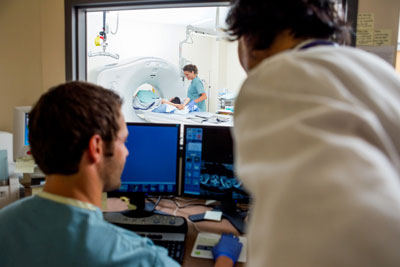
Radiology Transcription Outsourcing AdvantagesRadiology refers to the study of radiation-emitted images to diagnose or treat a disease seen within the body. It helps to pinpoint a patient’s condition and provide treatment before the condition gets much worse. With radiology transcription, high quality and accurate transcripts of radiologists’ reports can be obtained for better diagnosis and treatment. It is important for the physicians to receive radiology transcripts as quickly as possible to ensure quicker and better treatment.

Transcription in this field is focused solely on radiology procedures. Radiologists document patient actions in response to radiology procedures or treatments the patient is undergoing at the moment. They are also entrusted with the safekeeping of sonograms, ultrasounds and X-rays. Sometimes radiologists will also have to maintain the medical records of chemotherapy patients along with the rest of those who receive radiology treatments.

Following are some of the popular scanning technologies used by radiologists:

  • Magnetic Resonance Imaging or MRI
  • Computerised Tomography or CT scan
  • X- Rays
  • Ultrasound

Radiologists maintain records related to these studies that are referred to by other treating physicians.

Key Skills Radiology Transcriptionists Must Have

A radiology transcriptionist has a very important role to play with regard to the preparation of accurate radiology reports. He/she must have the capacity to note down each detail clearly understanding and conveying what the physicians have observed. A good transcriptionist will have the following capabilities.

  • Knowledge and insight of medical conditions and processes
  • Good experience with transcribing radiology dictations
  • Keen listening skills
  • Strong typing and report production skills
  • Should work well under pressure and within the required time limits
  • Be familiar with various medical practice software

Radiology transcripts are created and maintained in different formats in different healthcare organizations. It is important to ensure that the following details are available in the transcripts.

  • Background of the case
  • Methods of diagnosis
  • Details about the imaging technologies
  • Views, opinions and process of observation
  • Findings of the case

Medical Transcription Outsourcing for Radiology

Accurate documentation of radiology reports is very essential for making the correct clinical decision. Private practices, clinics and hospitals all rely on professional medical transcription service companies to some extent. Big hospitals and clinics may have in-house support for transcription, but urgent situations may come up when extra support is needed. This is where an experienced medical transcription company provides valuable assistance. It is important to choose a provider that can ensure error-free, timely transcripts. You also get to enjoy other benefits such as the following:

  • Receive customized transcripts in short turnaround time
  • Improve productivity and efficiency with quick access to the medical reports
  • Save costs when there is no need to hire in-house transcriptionists, and invest in infrastructure
  • Transcripts can be obtained in any desired file format
  • Security ensured to keep all entrusted information protected at all times
  • Accuracy ensured with stringent multilevel quality checks

The demand for transcription services is much more consistent and long-term for private practices because they are usually small and may find it too expensive and impractical to maintain an in-house transcription team. Transcription companies sensitive to the requirements of clients provide flexible service options to suit what they need, whenever they need it.

Recommendation for Best Practices in Clinical Research Documentation

Clinical Research DocumentationClinical trials strive to find improved ways of preventing, screening for, diagnosing, or treating a disease, or comparing a new treatment to an existing treatment. Good documentation practices to maintain supporting or source data such as case histories and record retention are critical for clinical trials. Source documentation comprises the medical record of the subject before, during and after the trial. Medical transcription companies provide valuable services for documenting supporting or source data.

The Dana-Faber/Harvard Cancer Center recommends the following best practices throughout the clinical trial. Here’s a brief look at what constitutes these best practices:

  • Maintaining adequate records: The researchers should maintain adequate and accurate case histories. Protocol-required procedures should be properly documented.
  • Accuracy when recording information for the first time: According to ICH good clinical practice guidelines, the true source is where the information is first written – in the medical record, a source worksheet or a post-it note.
  • Ensure comprehensive and verifiable data: The ICH E6 document defines source documents as original documents, data and records. This includes hospital records, clinical and office charts, laboratory notes, memoranda, subjects’ diaries of evaluation checklists, pharmacy dispensing records, recorded data from automated instruments, copies or medical transcription certified after verification as being accurate and complete. It also includes microfiches, photographic negatives, microfilm or magnetic media, x-rays, subject files, and records kept at the pharmacy, at the laboratories, and at medico-technical departments involved in the clinical trial.
  • Corrections: If corrections are made to source documents and CRFs, they should be lined through, initialed and dated. White-out should never be used.
  • Retain all original documents: Original documents should never be destroyed.
  • Secure and accessible study records: As allpatient information is subject to HIPAA and HITECH rules, access to the study records should be limited to the research team and kept in a safe place.

A HIPAA-compliant medical transcription company plays an important role in helping clinical researchers maintain accurate and verifiable source data and documents.  With a qualified team of transcriptionists well-versed in medical terminology and jargon, they provide quality transcription of patient assessment, admission notes, history and physical notes, or consultation notes with 99% accuracy and in quick turnaround time. Sensitive to the rules related to safeguarding patient identities and protecting the rights of individuals and their health information, these companies have high security standards in place to ensure the confidentiality of the data entrusted to them for transcription.

Adherence to good documentation practices are crucial to ensure that the clinical study results are built on the foundation of credible and valid data.

Survey: Up to 96 Percent of US Hospitals have Certified Electronic Health Records

Electronic Health RecordsThe results of a recently published survey show that nearly 100 percent of hospitals in the U.S. have certified EHR technology. The survey was released by the National Coordinator for Health Information Technology (ONC) at its 2016 annual meeting. The benefits of having a fully functioning, modern EHR system integrated with medical transcription services are now widely recognized. The blended approach enhances the delivery of patient care, improves physician productivity, and increases return on investment.

The survey found that:

  • 96 percent of hospitals had certified EHR technology compared with 72 percent in 2011
  • 84 percent of non-federal acute-care hospitals use basic electronic health records (EHR) now compared to 9 percent in 2008; certified EHR usage has risen from72 percent in 2011 to 96 percent today.
  • Small, rural and critical access hospitals continue to lag in the adoption of health IT, though basic EHR adoption rose by 14 percent since 2014 in small, rural hospitals and by 18 percent in critical access hospitals.
  • EHR adoption rates are significantly lower in psychiatric and children’s hospitals compared to general medicine hospitals, where EHR adoption rates was 84 percent in 2015 in contrast to 55 percent at children’s hospitals.
  • Interoperability of non-federal acute-care hospitals has increased: the rate at which radiology reports, care summaries and lab results are exchanged has doubled since 2008, from 41 percent to 82 percent in 2015.

Outsourcing Medical Transcription Promotes Meaningful EHR Adoption

While electronic documentation offers many benefits, it also poses significant challenges for physicians. These include:

  • The use of the cut-and-paste function while entering information in new records can lead to errors and increase audit risks.
  • When physicians do the typing, they tend provide less information than if they dictated and a medical transcription service company transcribed the report.
  • Rather than diagnoses, it is symptoms that get documented when the physician enters data in the electronic medical record.
  • Physicians find it difficult to find the correct diagnosis from the given pick-list.

Even EMR with speech recognition technology cannot ensure accurate medical records. Fortunately, the medical transcriptionists in a professional medical transcription service companies have a wide variety of skills that current speech recognition technology lacks. That’s why blending medical transcription services with the digitized patient records is crucial for meaningful EHR adoption.

Neurology Documentation and Coding for ICD -10

Medical Transcription OutsourcingFor a specialty like neurology, the change to ICD-10-CM poses special challenges.

The purpose of clinical documentation is to describe the details of the services provided and the accurate diagnosis which will provide a clear idea about the patient’s condition. Concise and comprehensive documentation via EMR or by outsourcing of medical transcription is necessary to meet the specificity required under ICD-10.

What Precise Documentation Means Under ICD-10

ICD-10, as health care professional knows, has many new codes, and the medical record provides the documentation needed to determine the correct code. Specificity is the key and maintaining active and productive clinical documentation is necessary to provide a detailed and accurate description of the severity of patient illnesses. The main rules that neurologist needs to follow with regard to entering information in the patient’s electronic health record (EHR) are:

  • Document symptoms as well as the diagnosis that contributed to the reason for admission
  • Document diagnoses rather than descriptors (e.g. “metabolic encephalopathy” instead of “altered mental status”)
  • Indicate whether the condition is acute or chronic in all diagnoses
  • Link all diseases/diagnosis to their underlying cause
  • Clarify the significance of diagnostic tests
  • Specify ‘suspected’, ‘possible’, or ‘likely’ when treating a condition empirically
  • Accurately document nutritional disorders and pressure ulcers and use supporting documents from the relevant provider for the same
  • Clarify diagnoses that are present on admission
  • Clearly specific conditions that have been ruled out
  • Avoid use of arrows and symbols

Focus on improving clinical documentation should be a key initiative for transition to ICD-10 codes. Neurologists can make well informed decisions about patient management with accurate documentation. Collaborating with their medical transcription and coding team can lead to more detailed, accurate, and superior data which is necessary for improved patient safety, ICD-10 compliance and error-free claim submission.

Role of Medical Transcription in Enhancing Medical Documentation

Today, it is widely acknowledged that medical transcription services play a useful in enhancing clinical documentation with feeds into electronic health records (EHRs). A reliable company can provide professional and accurate transcripts of history and physicals, doctors’ notes, consultation and operative reports, imaging reports, lab reports and discharge summaries – in customized turnaround time. Service providers specialized in neurology transcription would have an expert team well-versed in subject specific terminology handling the process. This can ensure quality documentation needed for ICD-10 compliance in a neurology practice.

EHR Interoperability and Detailed Clinical Documentation Needed to Improve Patient Care

EHRIt’s no secret that, even with the advent of electronic health records (EHRs), detailed documentation as provided by a medical transcription company enhances patient care. Medical transcriptionists ensure that accurate information is entered into the EHR and also that the digital record captures more details about the patient encounter than that allowed by the rigid EHR template.
A recent article in Medical Economics adds an important dimension to the treatment scenario – EHR interoperability. According to the author, a physician, obtaining data from a prior hospital stay of the patient can improve care delivery by helping in the medical decision-making process. She discusses the case of a patient referred to her who suddenly fell ill on his visit to New York City. He had been previously hospitalized in another state but could not provide much information on this. The doctor could not get timely access to the details of his recent hospitalization and EHR which she says, would have been helpful in reducing the length of stay and avoiding unnecessary tests.

The aim of the U.S. Department of Health and Human Services is to make interoperability between disparate EHRs a common capability by 2024. However, industry experts point out that there are many challenges to achieving the goal of seamless sharing of patient information among authorized practitioners. Here are the key factors that make EHR interoperability a challenge:

  • Lack of proper standards for exchanging information electronically
  • Varying privacy rules among states regarding exchange medical records across their borders
  • Technical differences among systems make it difficult to create one standard format for sharing data
  • Providers are discouraged by the extremely high data exchange fees

While linking the vast amount of data sources that are important to patient outcomes and care management is quite complex, it is a desirable goal to save time and to coordinate care efforts across the entire health care system.

At the same time, the information in electronic health records needs to be comprehensive and include all the details on the patient’s health status. At present, medical transcription services go a long way in making such information available. The patient’s digital record should include data on primary care and hospital visits, insurance and payment, patient history, medication details, patient and family health history, clinical trialand so on. The goals and full potential of EHR interoperability can be realized only if all this data can be easily accessed by both providers and patients.

Need to Improve Radiology Reports – Outsourcing Medical Transcription can Help

RadiologyRecent studies have highlighted the need to improve radiology reports sent to oncologists. Typically, a radiology transcription service provider’s task involves documenting the radiologist’s dictation pertaining to the patient’s medical condition and needs. However, experts point out that radiology reports could do with improvement. A recent article in Diagnostic Imaging carries the views of a Stanford University professor of radiology and biomedical informatics on the matter:

“The days are numbered when we can simply start with a blank page, pick up a microphone, and tell a story about what we see. Referring clinicians, payers, and patients are all demanding higher quality, which requires some degree of consistency and organization,” says Dr. Curtis Langlotz.

The present need, according to the expert, is to make it easy for the referring physician to identify critical information in the report. As oncologists are short on time, radiologists need to provide them with concise, straight-forward reports that follow a consistent pattern. This would streamline workflow and patient care. Outsourcing medical transcription can go a long way in achieving this goal.

Need for Consistent Creation of Useful, Updated Radiology Reports

Currently, medical transcription service providers deliver accurate and timely radiology reports in a standard format. Besides the patient’s demographic details, the report would include patient history, reason for study, diagnostic and procedural statement, whether the exam is limited or complete, number and type of views taken, contrast material used, as appropriate, separate details of each study performed on the patient, and recommendations for follow-up exam or additional studies needed. Such quality documentation helps radiologists meet medical coding requirements and receive proper, timely reimbursement.

The report in Diagnostic Imaging points out that, in the face of changing payment systems and increasing quality reporting requirements, radiologists need to overcome several challenges while drafting a radiology report, such as

  • avoiding clinically significant errors
  • answering all clinical questions
  • meeting the needs of referring clinicians
  • are not unnecessarily hedging the diagnoses

Besides ensuring quality dictation and transcription, radiologists need to master advancements in technology in order to upgrade and update their reports. Besides clear, concise information, the reports need to include clinically meaningful and actionable information.

Suggestions for Radiology Report Redesign

Experts offer the following suggestions to improve radiology reports to meet the needs of oncologists and reimbursement requirements:

  • Use tools that will accommodate bold face, underlying, tables, and multimedia components in radiology reports. It is expected that this will prompt EHR vendors to develop systems that include more consistent and efficient reporting formats
  • Develop structured reports – as currently used by academic medical center radiology departments
  • Create succinct radiology with easily-identifiable information
  • Incorporate all the requirements prescribed by the Centers for Medicare & Medicaid Services (CMS) in the Physician Quality Reporting System (PQRS)
  • Place clinical considerations at the top of radiology reports as well as other relevant information, such as patient history and notes from technologists

Fulfilling these requirements is crucial in 2016 to optimize Medicare reimbursement payments in 2017 and further on.

A professional medical transcription services company can help radiologists meet these new requirements and deliver quality reports to oncologists. Moreover, by providing radiology transcription service, a reliable company would allow radiologists to spend more time with their patients, build trust, and support them in their health care journey.

EHR-Integrated Medical Transcription Can Help To Improve Documentation and Patient Care

Medical Transcription for Patient CareThe role of medical transcription has changed with the advent of Electronic Health Record (EHR). It is a systematic way of streamlining and optimizing data storage, patient tracking, government regulation and record keeping. According to the American Recovery and Reinvestment Act (ARRA), implementation of EHR mandate became compulsory by January 2015.

EHR is an efficient method for retaining the healthcare information of the patients. It is a convenient and organized method to ensure error-free patient data. Communication with the patients can be greatly improved with the use of EHR, allowing easy access to the patient’s medical history. It is easier for doctors to follow up with the patients and track continuing care under their supervision. It allows physicians and other healthcare providers to reach an accurate diagnosis more quickly and thereby improve the overall efficiency of the hospitals and staffs.

Medical Transcription and EHR: A Blended Approach

In spite of the many benefits of EHR, this electronic record keeping system is still a concern for healthcare providers. The major barrier faced by healthcare providers in implementing EHR is the challenge of capturing a comprehensive patient narrative. They find it distracting and an unwelcome intrusion when it comes to communicating effectively with their patients. Many providers complain that they are unable to deliver quality patient care and face overall inefficiency in their office functioning. This process is tedious and time consuming, taking up a large chunk of the consulting time. Sometimes physicians misuse the copy-paste function of the EHR, which results in poor recording of medical data and inefficiency of healthcare units.

To overcome all these flaws, a combined approach including both medical transcription and EHR could help. Physicians can dictate the patient’s data in a recording device and the digital device will capture all the information clearly. These audio files are encrypted and sent to experienced medical transcriptionists who transcribe these audio files into accurate transcripts, which are integrated into the physician’s EHR. The main advantage of this combined approach is that it satisfies the government mandate of implementing EHR and also ensures accurate clinical documentation. It helps physicians to interact more with the patients and focus on providing better quality service.

Work with a Reliable Medical Transcription Company

By hiring a reliable medical transcription service company, healthcare units can improve their efficiency with fast, accurate, efficient and EHR-integrated services. One of the major advantages of such a partnership is the personalized service you can expect. The transcriptionists offer specialty-specific transcription as they are knowledgeable in the terminology particular to specific medical specialties including all abbreviations and jargon. They utilize HL-7 interface to provide EHR-integrated medical transcription that is a great support for healthcare providers.

Medical Transcription Services Can Help Streamline EHR Documentation and Improve Coding

Medical Transcription ServicesOne of the growing concerns of the Office of Inspector General (OIG) is the growing tendency among to upcode claims, that is, to code and report encounters as more serious and requiring more costly treatments than they actually do. What’s even more alarming is that the electronic health record (EHR) could be responsible this practice. Medical transcription services can help providers report patient care /visits accurately, streamline EHR use, and reduce audit risks.

Pitfalls of Automated Documentation

  • With their cut and paste and keyboard macros, EHRs make the cloning and copying of information easier. The template approach of the electronic medical record (EMR) is rigid and cumbersome, and may not reflect what the physician means. These automated systems may assign codes and generate words that do not really reflect the treatment that the physician intends to provide. This can lead to upcoding or undercoding, both of which are considered fraudulent practices.
  • EHRs offer pick-lists that are very cumbersome and time-consuming to manage. The physician has to go through the lists to customize the template to suit each encounter.
  • The cookie-cutter style restricts physicians from expressing their actual opinion about a case, which is very important when it comes to accurate diagnosis and treatment.
  • The limited information available in a template would be of no use for a physician’s defense in a malpractice case.
  • Entering information in the EHR detracts attention from the patient, so that the physician-patient relationship loses its personal touch.

Tips to Improve EHR Use along with Medical Transcription

Medical transcription provides a unique and concise narrative that reflects accurately the findings and recommendations of the provider documenting the encounter. So the solution to streamlining EHR use lies in blending the electronic record with transcripts of physician dictation. As EHRs are here to stay, it’s crucial that physicians receive streamlined training to use them correctly. Here are some recommended tips to enhance EHR use:

  • Document the patient encounter and the course of their treatment in legible manner so that anyone reviewing the medical record can understand it.
  • Limit use of macros. If used, they should be customized to reflect the patient’s condition.
  • Avoid cloning records completely; if the copy forward function is used, the physician needs to review and update the information in the current documentation.
  • For present diagnosis, physical examination and treatment plan, the physician should create a unique history at the encounter using dictation possibilities and medical transcription.

Being aware of the drawbacks and challenge of the EHR and how to surmount them is the key to accurate and meaningful documentation of the patient-physician encounter. Partnering with a reliable medical transcription company can help physicians maintain medical records to meet industry regulations.

New Study Highlights Failure of Electronic Health Records to Capture Complete Health Data

Health DataThe quality and utility of health information is what matters when it comes to providing timely and proper care. In fact, this is the underlying principle of medical transcription services. Using advanced technology and professional transcriptionists, outsourcing companies provide accurate, reliable, fast and secure documentation solutions for all medical specialties. Even with the electronic health record (EHR) mandate, many hospitals and practices continue to rely on these services to ensure comprehensiveness in medical records.

A new study published in the Journal of the American Medical Informatics Association has highlighted the limitations of EHRs in providing a complete picture of a patient’s health. According to the study, EHRs are fragmented and do not share patient information, with the result that the quality of care is affected. The researchers compared information available in a typical EHR with more inclusive data from insurance claims, with focus on diagnoses, visits, and hospital care for depression and bipolar disorder. The findings can be summarized as follows:

  • The US health care system is fragmented, and lacks interoperability and information exchange among the hundreds of EHR systems currently in existence.
  • This has resulted in incomplete information in most EHRs, as the digitized record cannot fully capture mental health diagnoses, visits, specialty care, hospitalizations, and medications. The missing data can result in medical errors and affect patient safety.
  • Patients with depression and bipolar disorder averaged 8.4 and 14.0 days of outpatient behavioral care respectively, per year, and of these, 60% and 54% respectively, were missing from the EHR because they occurred offsite.
  • Total outpatient care days were 20.5 for those with depression and 25.0 for those with bipolar disorder, with 45% and 46% missing, respectively, from the EHR.
  • The EHR also did not report 89% of acute psychiatric services.
  • For 27.3% and 27.7% of patients, study diagnoses were missing from the EHR’s structured event data.

The authors stress that while behavioral health care is unique, their findings show that the problem of incomplete clinical data in the EHR is not limited to behavioral care. Data was absent for overall events both in and outside the hospital. They also noted that specialist care of all types has a high risk of being underrepresented in a primary care EHR.

The study highlights the advantages of blending EHR-derived data with external sources of information.

Much has been said about the limitations of electronic medical records when it comes to ensuring the quality and completeness of clinical documentation. Physicians tend to adopt the short-cuts that the EMR software has, which might speed up documentation, but unfortunately, result in inappropriate use of copy/paste and templates. Dictation and medical transcription avoid this problem. Moreover, medical transcription services allow physicians to capture the patient narrative fully, translating into improved care as well as enhanced clinical documentation workflow.

  • KEY FEATURES

    • 3 Levels of Quality Assurance
    • Accuracy Level of 99%
    • All Specialties Covered
    • Competitive Pricing
    • Digital Recorder Dictation
    • Electronic Signatures
    • Feeds for EHR or EPM
    • HIPAA Compliant Service
    • Quick Turnaround Time
    • Toll Free Phone Dictation
    • Transcription Management Software
    • Volume Rates Available
  • RECENT BLOGS

  • Categories

  • Quick Contact


    • Infographics