New Study Finds EHR Related Malpractice Suits on the Rise

EHR Related MalpracticeThough we have discussed the several advantages of EHRs in hospitals as well as at medical transcription companies, they have also created new risks and frustrations for doctors and patients. According to a report from the Doctors Company, malpractice claims for errors caused by electronic health records have risen significantly. The study proves that there are always unanticipated consequences when new technologies are rapidly adopted and the EHR is no exception. Currently, 80% physician office practices and 90% hospitals have adopted electronic health records (EHRs) to help optimize productivity, workflow, and communication.

The second study of its kind by the Doctors Company, this new study of 66 EHR-related claims from July 2014 through December 2016 has found that

  • 50% of these claims were caused by system factors such as failure of drug or clinical decision support alerts, and
  • 58% of claims were caused by user factors such as copying and pasting progress notes

While the company’s first study from 2007 through 2010 has reported just two claims in which EHRs were a factor, from 2011 through December 2016, the number skyrocketed to 161. Comparing both the researches, it was noted –

  • 8% increase in system factors (technology and design issues, lack of integration of hospital EHR systems, and failure or lack of alerts and alarms) that contributed to claims
  • 6% decrease in user factors (copy-and-paste errors, data entry errors, and alert fatigue)
  • Hospital clinics/doctors’ offices remain the top location for EHR-related claim events, while these events are also occurring in patient rooms, ambulatory/day surgery centers, labor and delivery, and emergency rooms
  • While internal medicine, hospital medicine, family medicine and nursing and cardiology showed marked decreases among specialties involved in claims, orthopedics, emergency medicine, and obstetrics/gynecology showed increases

The study also highlighted a series of risk mitigation strategies that physicians and clinicians can employ to help avoid malpractice claims, reduce the chance of errors and improve patient safety.

  • Make sure to review all data and information is available before treating a patient
  • Avoid copy and paste, except when the patient’s past medical history is described
  • Never disable or override any alerts in the EHR, instead discuss them with your firm’s IT department. Following alerts would help prevent adverse events.Study EHR Related Malpractice
  • Adhere to any alerts within the e-prescribing module of the EHR and document the actions taken
  • Let the IT department know about the autopopulation feature that causes erroneous data to be recorded. Record the incorrect details and document the correct ones.
  • Record the time of the interaction in the notes written after a patient interaction, thus avoiding any suggestion of inaccurate or false information.
  • Assign specific staff in the practice to use the EHR tracking function to ensure that consults and tests are completed, returned, and communicated to the patient.
  • Be alert about cyber security and never allow staff to use the physician’s password to review, update, or sign off on lab and imaging results.

As EHR-related malpractice claims are rising, following such risk-mitigation strategies is more important for healthcare settings than ever before. If you are considering outsourcing medical transcription, make sure to choose an EHR-integrated service with relevant experience in the industry.

Does Playing Video Games Improve a Physician’s Ability to Recognize Trauma?

Recognize TraumaWith limited time and overcrowded waiting rooms, emergency room (ER) physicians find it quite challenging to balance the demands of patient care. Medical transcription service companies specializing in ER documentation help physicians maintain accurate patient records and charts. However, one important task that healthcare providers have to handle is differentiating patients’ priority levels so that they can get the appropriate care they need. Fast, accurate triage of patients’ needs is crucial to reduce emergency department (ED) wait times. A new study led by the University of Pittsburgh School of Medicine (UPSOM) found that a new video game can help ER physicians identify the level of care patients need quickly and accurately.

In May 2014, the Centers for Disease Control and Prevention (CDC) reported average ED wait times as about 30 minutes and treatment times as about 90 minutes, leading to roughly two hours in the ER. A Huffington Post article on ER wait times in Canada noted that during peak periods, wait times for patients with moderate to less urgent conditions could increase from 15 minutes to as much as 5 hours.

The goal of the ER physician is to see the sickest patients first. For this, they must very quickly assess whether a patient is in need of real critical, time-sensitive treatment versus a patient who is safe to wait. Rapid, accurate triage of the patient is important for successful ER operations. However, a recent JAMA study reported that 30 percent of severely injured patients are not transferred as recommended by clinical practice guidelines.

Hospitals in different regions of the country, university and community hospitals, and teaching and nonteaching sites use the traditional emergency severity index (ESI) during triage to assign a score from Level 1 for patients who are the most critically sick, to Level 5 for patients who are the least sick. A patient’s ESI level determines in which area of the ED that patient will be seen, assigns the patient to a queue, and helps in provider decision-making throughout the patient’s care process.

Under-categorization (under-triage) puts the patient at risk of getting worse while waiting. Over-categorization (over-triage) amounts to a waste of scarce resources, and prevents patients who need immediate care from getting an open ED bed. According to the UPSOM study published in the British Medical Journal, physicians who played the video game could better determine the level of care needed for different patients compared to those who used traditional tools.

Up to 368 emergency medical doctors working primarily in non-trauma centers or level lll/lV centers participated in the study. Half of the participants were instructed to use app-based traditional, didactic education, while the other half played the adventure video game called Night Shift which features a young fictitious ER physician. Players are shown traumatic and non-traumatic complaints from patients. The participants completed a questionnaire to determine how often they failed to send patients with severe injuries for appropriate trauma care. They also see the consequences of their decisions and have to break the bad news to patient’s family members. The team studied the participants’ decisions to admit, discharge or transfer a patient and calculated the proportion of patients under-triaged.

The study found that playing the video game “recalibrated physicians’ brains” with the following outcomes:

  • Six months after the initial test, physicians who played the video game for just one hour out-performed their peers in recognizing severe trauma.
  • While physicians using traditional didactic educational tools under-triaged 74 percent of the time, those who played the video game under-triaged 53 percent of the time.

Physician Recognize TraumaHowever, the team noted that the physicians preferred the educational materials and suggested that improvements to the video game might make it more effective. Also, a lead researcher says that the physician’s diagnostic skills were not the only reason for the under-triage problem. Factors such as not having an ambulance available to a lack of proper diagnostic tools could prevent a severe trauma patient from being transferred to a trauma center. For instance, when ER physicians order tests and scans for a patient, wait times for other patients rise significantly.

Despite these issues, the UPSOM study shows that the game is an important step towards improving on current educational training. Streamlining ED processes can make test results are available more quickly and at all hours. Bringing about improvements to wait times in EDs require collaboration and new approaches between leaders and experts in emergency medicine. As an experienced medical transcription company, we are well aware of the importance of timely and reliable ED documentation. ED notes are distinct from other providers’ notes. In the hectic ER scenario, timely completion of charting is critical if the chart is to be accurate. Delegating this task to a reliable emergency room transcription service provider can help physicians improve speed and efficiency and enhance patient care, which will ultimately help reduce ER wait times.

Patient EHR Access Challenges and Solutions

Patient EHR Access Challenges and SolutionsThe need for accuracy in electronic health records (EHRs) is more important than ever with healthcare providers increasingly offering patients access to their own EHRs through online portals. Many physicians rely medical transcription outsourcing to ensure this accuracy in health data such as medications, lab results, physician notes, past diagnostic follow-up, health histories, discharge summaries, radiology reports, immunizations, and relevant health care information. Patient access to this information allows them to get a more comprehensive understanding of their medical conditions and treatment plan. Increasing patient engagement can enhance care.
Online Portals improve Patient Engagement

According to the National Coordinator for Health Information Technology (ONC), 64 percent of hospitals allowed their patients to view, download, and transmit their health data in 2014, and 51 percent were equipped for secure messaging with their patients. Online portals allow patients to view demographic and medical history data, and get real-time lab results updates. They come with capabilities such as:

  • direct secure messaging
  • online appointment scheduling
  • online bill payments
  • prescription refill requests
  • data update capabilities

Giving patients access to their health information offers many benefits:

  • Patients can better manage and coordinate their care, and have greater control over their health and wellbeing.
  • It makes patients better prepared to interact with their providers about their care.
  • The portals promote patient loyalty by making them feel more connected to their provider.
  • The secure messaging features can help improve chronic disease management. By checking in with their chronically ill patient on a regular basis, physicians can ensure proper follow up and see that they patient comes into the office when necessary.

A study conducted at Geisinger Health revealed that patients with access to physicians’ notes had higher rates of medication adherence since they were more involved in and informed of their treatment plans.

Patient EHR Access Barriers and Concerns

There are many challenges to providing patients access to their EHRs:

Technical jargon: Patients may not understand the technical words their chart and will need a physician to explain it to them. For this, they may need the help of other members of the care team in addition to their own physician.

Getting other physicians onboard: In a Physicians Practice article, one provider says that many physicians are not comfortable sharing the entire patient record with patients. They must be made to understand that patient access to an electronic interface will be all the more significant in the context of quality-based reimbursement as such access will influence health outcomes.

Access to their test results may increase patient anxiety: One potential drawback is that patients may get to see their test results before their physician does. Those who do not understand the implications of abnormal results may become overly anxious. However, this pitfall is not that significant as patients prefer full transparency and real-time results communication.

Disparities in EHR use among diverse social groups: www.clinicaladvisor.com reported on a review by experts at the University of Pittsburgh which found that patients under the age of 35 and those with a lower level of education were less likely to use patient portals. The report also notes that EHR usage was lower among as also African American and Latino patients, the main reason being lack of technical support to navigate the electronic record.

Security issues: Patient portals pose security issues and practices need to consider potential for breach and Health Insurance Portability and Accountability Act (HIPAA) concerns. Healthcare providers need to take proper care about logins and other security measures to ensure that unauthorized persons do not intrude into their record systems. Experts say that when patients are given their account login information, they should be educated on properly protecting their document. Providers are not at fault as long as reasonable care was taken when the information was in the care of staff. Practices will also need to have someone responsible for maintaining patients’ EHR access agreements and be able to help patients use their EHR.

ONC Report Highlights Need to Ease Patient EHR Access

Patient EHR AccessA recent Medscape article discussed a report from the US Department Health and Human Services’ Office of the National Coordinator for Health Information Technology (ONC) which found that patient access to medical records is not smooth or easy.

The report noted that patients are often aware that, under HIPAA, a practice must give them access to their records within 30 days after they request it. The ONC noted that patients often found it difficult to obtain necessary medical records in the event of a health crisis, or when they needed to switch doctors, or to see a specialist.

Another issue was that patient records are often inaccurate or incomplete, and they have to contact their provider to obtain the necessary information.

For patients with multiple health conditions, caregivers would need to keep track of the different web portals, passwords, and record request processes for each specialist the patient sees.

The ONC’s suggestions to improve patient and caregiver access to health records include:

  • Making it easy for patients to request and receive their records from their patient portal
  • Implementing an electronic records request system outside of the portal
  • Setting up a user-friendly online request process
  • Fast confirmation of the record requestor’s identity using e-verification
  • Offering a status bar or tracker to enable consumers to track the progress of their records request
  • Providing simple explanations on how to request records and what to expect

As patient information becomes digital and larger numbers of consumers desiring mobile access to their health records, the role of EHRs is becoming increasingly prominent. As the ONC report points out, accurate, timely and comprehensive information is crucial to enhance EHR use by patients and improve care outcomes. Medical transcription companies have a critical role in helping providers maintain the integrity of digital patient records.

Emergency Rooms Becoming More Reliable Than Seeing a Doctor

Emergency RoomsEmergency Rooms (ERs) designed to treat life-threatening illnesses are getting overcrowded now as more Americans are relying on ERs than visiting a doctor. A study published recently in the International Journal of Health Services has found that Emergency departments (EDs) are increasingly a major source of medical care in the United States. Based on the data from the National Ambulatory Medical Care Survey and National Hospital Discharge Survey databases, it was found that EDs contributed an average of 47.7% of the medical care delivered in the U.S. and that this percentage increased steadily over the 14-year period. ERs can be hectic, and various kinds of medical reports generated in an emergency room are often documented by outsourcing medical transcription tasks.

Some reasons for overcrowding in ERs are –

  • because they can get the care they need
  • not being a doctor, patients aren’t very good judges of whether a condition is worthy of an ER visit
  • as it is more efficient time-wise than seeing multiple physicians to diagnose an ailment
  • as ERs are required by law to take any patient regardless of what insurance they have

It has been noted that states that chose to expand Medicaid witnessed more ER visits, as many doctors don’t take Medicaid.

According to the American College of Emergency Physicians, U.S. ED visits are expected to climb to about 150 million in 2017, up from 141.4 million in 2014. The spike is partly due to coverage expansions under the Affordable Care Act, an aging population and an increase in opioid overdoses.

ERs and the Holiday Season

Several reports indicate that ER visits spike during the holiday season, especially on Thanksgiving Day. According to the US Consumer Products Safety Commission, an estimated 36,729 people across the US went to the ER on Thanksgiving Day in 2016.

Dr Erick Eiting, who directs emergency medicine at Mount Sinai Beth Israel in New York estimates that emergency rooms see a 5-10% uptick in patients over the holiday season. The major drawback is that doctors working in overcrowded emergency rooms are often forced to care for more patients in the same amount of time, which may lead to physician burnout and patient safety issues. As overcrowded ERs are dangerous with possibility for more patients to die, Dr. Eiting recommends that holiday revelers avoid the ER unless they’re dealing with a life-threatening emergency like chest pain, shortness of breath, difficulty speaking or difficulty moving arms and legs, or signs of a stroke.

Long Wait Times – a Concern

Emergency RoomsAn analysis published by NBC10 Investigators has identified the 3 hospital emergency rooms with the longest wait times are ERs in Pennsylvania, New Jersey and Delaware. While the median wait across the country is about 30 minutes, in Pennsylvania, it’s 22 minutes, New Jersey – 25 minutes, and in Delaware – 34 minutes. With such long wait times, possibilities are more for serious medical conditions to go untreated.
To curb unnecessary and costly ER visits, several health insurers recommend some solutions. Blue Cross-Blue Shield insurer recommends customers in a few U.S. states to go to the hospital only in a real emergency such as a heart attack, stroke and major bleeding. Anthem, the nation’s second-largest insurer, wants patients to consider alternatives such as drugstore clinics, nurse advice hotlines or telemedicine. According to Dr. Craig Samitt, Anthem’s chief clinical officer, “common medical ailments” that the average person knows should not be seen in an emergency room.

Doctors are of the opinion that ER isn’t the best option for minor complaints such as sinus infections, rashes or ankle sprains. They recommend seeing a family doctor who knows the person’s medical history.

Despite cost, ERs are still a relief for patients as they provide medical attention for emergency situations that are severe or life threatening. Emergency room medical transcription services are available to help these departments manage and maintain up-to-date medical records.

Important Things to Consider when Switching to a New EHR

New EHRIn March 2017, 67% of all providers reported using an electronic health record (EHR), a 1% increase over September 2016, according to SK&A, a leading provider of healthcare information solutions and research. However, while EHRs offer many benefits, surveys show that they continue to be a source of frustration as most physicians find EHR data entry a major challenge. Medical transcription companies help providers to manage patient electronic records with EHR-integrated solutions. Nevertheless, switching EHRs is a growing trend among physicians. A Kalaroma Information survey on the electronic medical record (EMR) market in 2017 found that many physicians and hospitals were ready to switch EHR vendors.
The main problems that physicians report with EHR systems include: functionality or the EHR’s ability to decrease workload, dissatisfaction with ease of use and software platform, cost and financial losses, and poor customer service. The American Medical Association (AMA) reported that a survey published in the January 2017 issue of Family Practice Magazine found the top reasons for switching EHR systems as:

  • Gain added functionality
  • Achieve meaningful use
  • Get better usability
  • Find better support and training
  • Consolidate multiple EHRs

However, providers also said there are several challenges when it comes to changing their EHR system. About 80 percent of respondents reported that the biggest challenge was the time investment required to switch EHRS, and 70 percent cited productivity loss as the major challenge. Many providers also said that learning how to use a new EHR could be a big challenge and that switching was financially burdensome.

Implementing a new EHR system doesn’t mean just implementing the software. Once the software is in place, it will take several months for physicians to adjust the new system for their day-to-day practices, and they should be prepared for this. Here are some expert tips to help with the process and to save time:

  • Choose a system that meets your unique needs: Selecting an EHR with a user-friendly, customizable interface is the first step, says a Healthcare America article. If your practice has a unique way of managing certain tasks, decide what customizations you want and discuss these software upgrades with the vendor before you make the switch. Contract for those upgrades and make sure that they will become operational as soon as the system goes live.
  • Look for innovations that will make key tasks easier: A simple but efficient EHR system will make it easier for practice staff, who may not be IT professionals, to manage reports and data. Selecting an EHR that automates simple tasks such as reminders, messaging, schedule confirmation, will allow your team to focus on more important matters. For instance, Harvard Business Review reports that when Virginia Mason Medical Center implemented computerized “order entry”, confusing or erroneous physician orders fell from 50% to near zero overnight. Innovations and automation will improve workflow and give you more time to focus on your patients, just as outsourcing medical transcription does.
  • Make the right decisions about data transfer: Experts say that transferring all the data from the old system to the new one would be time-consuming and virtually impossible. So plan what data you would need to move and work with your new EHR vendor and tech support to incorporate and transfer the data within a timeline.
  • Keep patients and stakeholders informed: It’s important to keep patients and partners on the page about the switch. You can inform patients that their data is going to be safer now. Train established patients in the new EHR process. If your EHR is integrated with the local hospital, let them know that all their records will be intact. These measures will promote a smooth transition and improve relationships with patients and stakeholders.
  • Switching New EHRTrack progress: The progress of the transition should be monitored. You need to ensure that the new EHR software is working properly and manages your data efficiently. In a Medical Economics report, an expert recommends that physicians determine several metrics prior to the implementation, and then measure against them at key intervals, such as from 30 to 120 days post-implementation, and then again at six months out. He says that physicians should contractually obligate their EHR vendors to deliver such results, with provisions for more training or even refunds if the software doesn’t deliver the required results.
  • Schedule training for staff: Physicians should plan for additional training so that the staff becomes competent in using the new EHR system. This should be included in the contract with the new vendor. One-on-one or small group training will help physicians and staff to get individual attention and clarify matters.
  • Make adjustments: Plan to tackle unsatisfactory performance in the first few months after the new system is implemented. The vendor can be asked to make adjustments so that any issues are ironed out at the start.

The number of practices looking to change EHRs is likely to grow in the coming years. A 2016 Black Book survey found that specialists are looking to end chronic replacements with flexible cloud-based and specialty-driven EHRs tailored to improve financial, workflow, clinical outcomes and satisfaction. Going by the above-mentioned strategies will make switching EHR systems less challenging.

Google’s Speech Recognition Aims at Improving Medical Transcription

This is an update on the September 26, 2016 blog “Google Gears up To Improve Speech Recognition Capabilities.”Medical Transcription

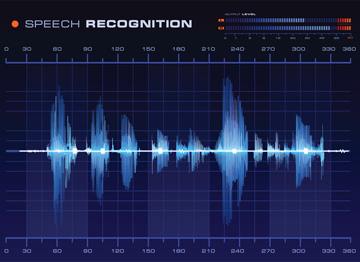
With several reports indicating that physicians are spending more time on EHR documentation than caring for patients, the search engine giant Google is coming up with solutions to improve time-consuming transcription process. While most hospitals consider outsourcing medical transcription, speech recognition (SR) or voice recognition technology also has an impact on the healthcare industry.

Google is considering whether the voice recognition technologies already available in Google Assistant, Google Home, and Google Translate could be used to document patient-doctor conversations, which help doctors to transcribe notes more quickly.

According to the company’s latest research paper, “Speech Recognition for Medical Conversations”, it was found that it is possible to build Automatic Speech Recognition (ASR) models for transcribing medical conversations. To meet this goal, researchers developed a system along two different methodological lines – a Connectionist Temporal Classification (CTC) phoneme based model and a Listen Attend and Spell (LAS) grapheme based model.

It was found that the LAS model is quite robust to noisy transcripts and does not require a language model. The phoneme-based CTC model, on the other hand, only works well when a significant data cleaning effort is undertaken, and a matched language model is developed for the domain. While CTC model achieved a word error rate (WER) of 20.1% the LAS model achieved 18.3% WER. While the current ASR solutions focus on transcribing doctor dictations or single speaker speech, Google’s model is designed to handle multiple speaker conversations covering everything from weather to complex medical diagnosis.

Google Speech RecognitionThe pilot study investigated the types of clinically relevant information that can be extracted from medical conversations to assist physicians in reducing their interactions with the EHR. The study is fully patient-consented and the content of the recording will be de-identified to protect patient privacy. The company plans to prepare a study on working with physicians and researchers at Stanford University to gather more information on how speech technology can assist in physician note-taking. This study aims at developing a “digital scribe” that helps streamline clinical documentation for physicians. Stanford University’s research in 2017 has found that scribes produced significant improvements in overall physician satisfaction, satisfaction with chart quality and accuracy, and charting efficiency without detracting from patient satisfaction.
Google representatives say, “We hope these technologies will not only help return joy to practice by facilitating doctors and scribes with their everyday workload, but also help the patients get more dedicated and thorough medical attention, ideally, leading to better care.”

Medical transcription services are an option that can lighten the workload of clinicians. When it comes to the global medical transcription market, key trends that were noted not only includes the rise in the shift to the adoption of speech recognition technology, but also the rise in demand and adoption of cloud-based medical transcription services.

Proactive Measures to Reduce Risk of Healthcare Data Breach

Healthcare Data BreachHealthcare security breach is widespread and reports indicate that an average of one healthcare organization experiences a data breach every day. Medical transcription outsourcing to a reliable service provider can ensure HIPAA compliant medical documentation practices. However, electronic health records (EHRs) are virtually exist everywhere, making them an easy target for hackers. Industry experts stress that healthcare organizations need to take a proactive approach to safeguarding EHRs, reducing risk of security breach, protecting their reputation, and reducing risk of liability claims.

In 2015, more than 113 million persons were affected by a data breach. Ponemon Institute reports that the average cost of one stolen or lost record is $363. The US Department of Health and Human Services Office for Civil Rights (OCR) received reports of as many as 264 data breaches affecting at least 4.4 million patients as of November 21, 2017.These breaches include hacking/IT incidents, unauthorized access/disclosure, theft, improper disposal and loss. The breaches affected physician and dental practices, hospitals, insurers, medical equipment suppliers and health systems. Rather than just relying on detection software and hardware, healthcare entities have to understand their risks and vulnerabilities, and then take appropriate measures to manage them.

A recent Beckers ASC Review report recommends risk assessment and other steps to reduce risk of data breach in ambulatory surgery centers (ASCs):

Data breach risk analysis: Performing a risk assessment could identify gaps or vulnerabilities that can be exploited to access to PHI, according to HIPAA Breach News (HBN). System weaknesses can expose an organization to liability for breach of confidentiality and invasions of privacy. Inappropriate uses or disclosures of information can cause negative publicity and make patients to choose other providers. IT-related errors and loopholes can corrupt or destroy vital data, or result in inappropriate alteration or manipulation of data.

Education and training: All persons in the organization should be trained on security and privacy rules that apply to healthcare and the impact that they can have. Participation in cyber protection means understanding what’s happening in the wider security landscape. All staff should know why PHI needs to be protected and also informed about the importance of observing and reporting suspicious events. Regular training sessions and annual reorientation can keep staff up to date on these matters.

Policies specific to ASCs: The Beckers ASC Review report says that ASCs need to implement certain policies that are specific to their needs:

  • High-profile patients: ASCs need to take special care to keep records of high-profile patients private and confidential. This can be done by assigning an alias within the EHR for them, and restricting access to the “need to know” list. At the same time, exemptions will be needed to allow internal access for treatment, administrative or other specific purposes. Frequent audits should be conducted to identify who is accessing these records and whether they have a legitimate reason to do so.
  • Bring Your Own Device (BYOD) policy: BYOD policy should be properly defined. The best policy would be to include only organization administered devices. If physicians, nurses and administrative staff are allowed to access PHI on personal laptops, tablets and smartphones, the parameters should be defined. Requirements for device encryption should be spelt out. Phones can also be issued internally to staff members, an expensive but worthwhile investment option to protect PHI.Data Breach
  • Secure storage, destruction and disposal of PHI: There should be clearly defined policies for retention and destruction of PHI in paper and electronic format. Data backup is also crucial.
  • Encryption: Encryption is essential to protect PHI. The data encryption policies of medical transcription companies are a good example. Data encryption ensures that data is protected at all times.
  • Physical security: This includes the use of alarm systems to prevent break-ins and access to computers via an unlocked office. Care must be taken to ensure that paper records are not stored in an area with unrestricted access, especially in buildings with space constraints.
  • Define staff responsibilities: Privacy and security job descriptions must clearly spell out who is responsible for privacy and security.

It is important to keep online traffic concealed with block tracking cookies. This will limit the ability of third parties to follow online traffic and prevent unauthorized persons from accessing secure accounts. Performing regular audits is an important best practice when it comes to security. Security audits should be done annually. Failure to perform HIPAA-compliant security analyses can attract penalties starting in the $100,000 range.

Most healthcare providers partner with a third-party vendor for medical billing and coding support as well as medical transcription services. It is critical to choose a vendor whose security measures meet the highest standards. As incidents of PHI breach increase, only a proactive approach can safeguard patient data and reduce the risk of cyber attacks.

New Treatment Approach: Type 2 Diabetes Could Be Reversed through Weight Loss

Type 2 DiabetesA medical transcription company serving various medical specialties must stay abreast with all innovations and discoveries pertaining to those specialties. This is necessary from the point of view of providing quick and insightful transcription with a clear idea of what the physician is talking about. Endocrinology is a major medical specialty that deals with the diagnosis of conditions caused by hormonal imbalances as well as other conditions such as hypertension, diabetes, osteoporosis, cholesterol, infertility, metabolic disorders, thyroid diseases,and their treatments. Research and studies are ongoing in this specialty with a view to improve the quality of life of those affected. Endocrinology transcription involves accurate documentation of all clinical records of a patient including endocrine test reports, procedural reports, diagnostic evaluation reports, laboratory reports, consultation notes, discharge summaries and so on. These notes are an important source of information about the patient’s health condition and help provide better treatment. Proper medical documentation is also essential to submit accurate healthcare insurance claims.

Talking about research in endocrinology, a new report published in the BMJ emphasizes the fact that many doctors and patients do not realize that weight loss can successfully reverse type 2 diabetes. Instead, many believe that the disease is “progressive and incurable”. The researchers point out that greater awareness along with better recording and monitoring of remissions could help in reducing the incidence of diabetes and also ensure a huge reduction in healthcare costs.

Type 2 diabetes is a health condition in which the body becomes less effective at using insulin which converts blood sugar or glucose into energy. The main cause of this disease is excess body weight. Type 2 diabetes has increased drastically among people over the years. In 1980, around 108 million people suffered from this disease and in 2014 it increased to 422 million. In the US, an estimated 30.3 million people or approximately 9.4 percent of the population have diabetes including 7.2 million who do not realize it. Diabetes holds a major share when it comes to national billing for taking care of the sick; and the direct and indirect cost of the diagnosed diabetes is estimated to be $245 billion in 2012. In the same year,an average of $13,700 was spent for medical purposes by people who were diagnosed with diabetes, out of which $7,900 was directly attributed to the disease.

The researchers note that the current method of treating type 2 diabetes is by focusing primarily on reducing blood sugar levels and cardiovascular risks with the “use of anti diabetes drugs with only lip service paid to diet and lifestyle advice”. However, intake of anti-diabetes drugs could lead to further health problems and on an average these patients go on to live 6 years less than people who do not have diabetes. While remission of the disease is indeed attainable for many patients, it is very rarely achieved or recorded. In US, a study that followed 120,000 patients over 7 years found that only 0.14 percent of them were recorded as remissions.

Type 2 DiabetesClinicians are reluctant to code patients as being in remission because of a lack of agreed criteria and guidance. But this may not be the only reason. It may be that few patients are actually trying to achieving remission. The researchers urge health authorities all around the world to come up with clear guidance about how to measure type 2 diabetes remission and make sure that it is officially recorded. Proper coding is also important to monitor progress in achieving remission of type 2 diabetes nationally and internationally. It also improves prediction of long-term health outcomes for patients with a known duration of remission. Proper and accurate coding can raise awareness and encourage more people to try hard to reverse the condition by losing weight rather than living with the disease. Reversing type 2 diabetes by reducing weight helps to create a sense of achievement and empowerment in patients. This method of curing type 2 diabetes removes the stigma of being labelled as a diabetic and also lowers premiums for health insurance, travel insurance and mortgages.
New approaches in the healthcare industry are vital to provide better patient care and service. Medical transcriptionists and medical transcription companies play a vital role in ensuring accurate documentation of disease diagnoses, clinical procedures, expert opinions and so on.

Disclaimer: The opinions and conclusions mentioned in this content are not that of MTS, and neither do we advocate the same. The information has been taken from MedicalNewsToday, and MTS is not responsible in any manner for the study or report mentioned in the same.

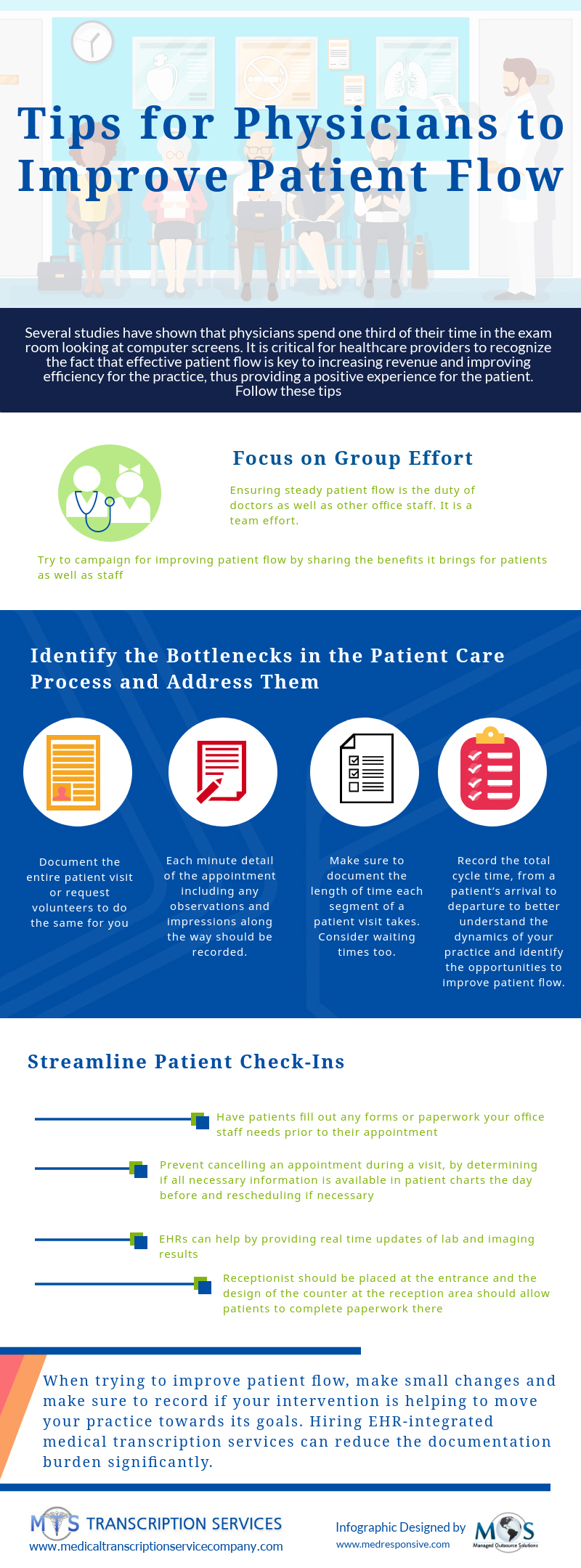
Tips for Physicians to Improve Patient Flow [Infographics]

Earlier it was believed that with the introduction of EHR, medical transcription services will become redundant. But the fact is that with the use of EHR system, physicians are now forced to spend more time on their computers capturing patients’ medical details rather than focusing on patient care. This has in turn increased the need for EHR-integrated medical transcription.

ATTACHMENT DETAILS tips-for-physicians-to-improve-patient-flow

mHealth EHR Apps can Improve Care and Streamline Practice Workflow

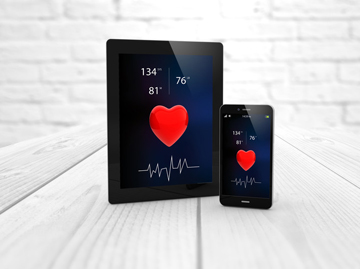
mHealthThere are many strategies that physicians can adopt to enhance their efficiency and medical transcription outsourcing is one of them. Medical transcription services ensure accurate and timely electronic health record (EHR) documentation. Experts say that integrating mobile health apps or “mHealth” with the EHR system can help physicians make better use of their time and improve their productivity.

The use of mobile health applications and devices or “mHealth” is growing fast. Studies from Research2guidance.com found that almost 100,000 mHealth apps have been added since the beginning of 2016, amounting to 259,000 currently available on major app stores. Further, their report notes that in 2017, more than 3.4 billion people will have smartphones or tablets with access to mobile health apps.

According to a recent Medical Economics report, a growing number of physicians are interested in using mobile devices at their practices. Surveys show that technology can increase patient engagement, improve access to care, enhance safety, and make data collection easier. Technology may have its drawbacks, but the benefits outweigh the challenges, say advocates of mHealth. In fact, the results of a healthcare quality improvement survey by the American Society for Quality’s healthcare division released in 2016 revealed that 80 percent of healthcare professionals consider improved workflow efficiency as the answer to new technology implementations, and more than 70 percent see digital health tools as having the greatest impact. Today, there are mobile apps that improve care in many ways:

  • Give physicians the ability to work on the go via tablets and/or smartphones.
  • Allow physicians to connect with patients outside of the physical office
  • Help physicians monitor patients with chronic conditions, patients scheduled for surgery, and those recovering from medical procedures
  • Promote faster and easier interaction among physicians
  • Allow patients to contact specialists via an online portal.
  • Provides virtual consult follow-up in place of an in-office visit
  • Allow patients to make payments
  • Enable patients to communicate with providers in medical situations that may or may not require an ER visit
  • Allow care teams share and enter short notes as well as use tags to set priorities

A mobile app allow physicians to monitor a diabetic patient’s blood sugar, insulin intake, diet, exercise, sleep patterns, and even moods. They can track patients with heart and breathing issues, and those undergoing treatment for diseases like cancer and Parkinson’s, mental illnesses and addictions. Today, physicians use mobile EHR apps to manage prescription refill requests and patient inquiries throughout the day, thereby minimizing the burden of administrative tasks that can pile up at end of the day.

Physicians can benefit by incorporated specific tasks into mobile. Many mobile versions of existing EHR applications allow physicians to include secure video visits via their mobile devices. Studies show video visits can be significantly shorter than in-person visits, allowing doctors to make the best use of their time.

There are secure messaging apps with access to patient records. With such apps, physicians can respond to patient inquiries between scheduled visits, which will cut down on the time they need at the end of the day to handle such requests

A mhealth intelligence report says that an engaged patient is ten times more likely to comply with a doctor’s care plan, including adhering to medication protocols and following a healthier lifestyle.

However, health IT experts caution that physicians need to consider various factors to ensure success with mobile EHR apps. To maximize results, they need to:

  • consider how they will use mobile devices
  • understand the constraints of the devices and EHR software
  • deploy the mobile functions into their workflow practices

Accordingly, the American Medical Association (AMA) has adopted various policies designed to help integrate the escalating field of mHealth into clinical practice. This is important as not all mobile apps for healthcare are FDA approved. Mhealth has to be subject to stringent evaluation before deployment to ensure quality care and patient safety. A 2016 AMA Wire report says that the AMA has stated that insurance coverage and reimbursement policies for mHealth apps, devices, trackers and sensors for use by patients, physicians and other health professionals should be guided by certain principles. According to these principles, state such technologies should:
EHR

  • Maintain the establishment or continuation of a valid patient-physician relationship
  • Have a high-quality clinical evidence base to support their use in order to ensure mHealth app safety and effectiveness
  • Follow evidence-based practice guidelines, especially those developed and produced by national medical specialty societies and based on systematic reviews, to ensure patient safety, quality of care and positive health outcomes
  • Support patient-centered care delivery, promote care coordination and facilitate team-based communication
  • Promote data portability and interoperability in order to support care coordination via medical home and accountable care models
  • Comply with state licensure laws and state medical practice laws and requirements in the state in which the patient receives services facilitated by the app
  • Call for physicians and other health professionals providing services through the app to be licensed in the state where the patient receives services or be providing these services as otherwise authorized by that state’s medical board
  • Ensure that the delivery of any app-provided services are consistent with state’s practice laws

With the judicious use of mHealth EHR apps, physicians can be more accessible while minimizing their time pressures, than if they were tied to their desktop computer. EHR-integrated medical transcription services are a viable option as mHealth gains traction. Experienced medical transcription companies can ensure quality EHR data which is crucial for physicians to make quick therapeutic decisions in this fast-paced, mobile environment.

  • KEY FEATURES

    • 3 Levels of Quality Assurance
    • Accuracy Level of 99%
    • All Specialties Covered
    • Competitive Pricing
    • Digital Recorder Dictation
    • Electronic Signatures
    • Feeds for EHR or EPM
    • HIPAA Compliant Service
    • Quick Turnaround Time
    • Toll Free Phone Dictation
    • Transcription Management Software
    • Volume Rates Available
  • RECENT BLOGS

  • Categories

  • Quick Contact


    • Infographics