
CMS Prohibits Texting of Physician Orders on Patient Care

CMS Prohibits Texting of Physician Orders on Patient CareThe Centers for Disease Control and Prevention (CMS) in conjunction with the Joint Commission issued a memo on December 28, 2017 clarifying its position on texting patient orders. CMS has reiterated that texting of patient orders is prohibited regardless of the platform. This “no texting determination” is driven by potential patient safety concerns and the risk for data breaches involving insecurely texted PHI. CMS prohibits texting of orders by physicians or other healthcare providers regardless of the platform, but allows members of the healthcare team to text patient information through secure platforms, similar to those used by HIPAA compliant medical transcription companies.

An article published recently by the American Pharmacists Association reported on a survey from the Institute for Safe Medication Practices (ISMP) which found that pharmacists used texting for medical orders although the practice is banned by facilities. The survey’s respondents included pharmacists, nurses, physicians and other prescribers, medication and patient safety officers, quality and risk managers, educators, pharmacy technicians, and others.

More than 30% reported they opposed the use of texts for medication orders, while another 40% said texted medication orders were acceptable only if encrypted devices were used. Up to 53% of all respondents said that their facilities prohibited texted medical orders, though 45% of pharmacists reported that medical orders are texted regularly. The ISMP report noted that 70% of respondents were concerned or highly concerned about unintended auto correction in texts. Also, more than 50% of the respondents said they were concerned or highly concerned about use of potentially confusing abbreviated text terminology, potential for patient misidentification, misspellings, and incomplete orders. The report called for a halt to texting medication orders until software is developed to ensure privacy.

In January 2018, CMS clarified that it prohibits texting of only patient care orders, not all text messaging. The CMS memo also permits exchanging patient information on a secure platform. The key points of the memo are as follows:

  • The practice of texting orders from a provider to a member of the care team does not comply with the Conditions of Participation (“CoPs”) or Conditions for Coverage (“CfCs”). In this case, the CoPs for Medical Records requirements that apply include, among other things, requirements for maintaining medical records, accurately completing medical records, accessing medical records and securing medical records.
  • Texting to place patient orders, such as for medications or tests, on any platform – secure or not – is not allowed when treating Medicare and Medicaid patients.
  • Computerized provider order entry (CPOE) is the “preferred method” of patient care order entry by providers because it results in the order being listed in a patient’s record.
  • A physician or licensed independent practitioner should enter orders into the medical record via a handwritten order or via CPOE.
  • An order that is entered via CPOE, with an immediate download into the provider’s electronic health records because the order would be dated, timed, authenticated and promptly placed in the medical record.
  • Even when utilizing text as a means of communication among the healthcare team, providers must use and maintain systems and platforms that are secure, encrypted, and minimize the risks to patient privacy and confidentiality as per HIPAA regulations and the CoPs or CfCs.

Text messaging is a written message sent between two or more mobile devices and includes both Short Message Service (SMS) text messaging and other messaging services such as WhatsApp and iMessage. Faster than a phone call and simpler than an e-mail, text messaging is widely used in the field of healthcare, permitting providers to multitask and communicate conveniently and quickly. Clinicians tend to use texting to place patient orders in time-sensitive or emergency situations.

HIPAA Compliant Medical Transcription ServicesHowever, text messages result in electronic protected health information (ePHI) that is stored on the smartphone. The privacy and security standards that govern electronic health records (EHRs) maintained on the servers of hospitals and health care organizations also apply to ePHI. Conventional SMS messages are not encrypted and texts may stay on a telecommunication provider’s server for indefinite periods of time. Any individual who has access to the healthcare provider’s mobile device can view the texted ePHI and even reply to the message instead of the intended recipient. The unintended recipient can also forward the message to others. Due to all these reasons, text messages cannot meet HIPAA requirements and can compromise PHI.

HIPAA regulations require every covered entity to have administrative, physical and technical safeguards in place that reasonably and appropriately protect the confidentiality, integrity, and availability of the electronic PHI that it creates, receives, maintains, or transmits. Accordingly, HIPAA compliant medical transcription services allow healthcare providers to dictate and record notes, patient information and more, and transform the data to text format for integration into the electronic health record (EHR). The entire process is managed through a secure platform.

When it comes to implementing any type of text messaging solution, a Lexicogy report cautions that providers need to understand all state and federal requirements that may be applicable. They should carefully evaluate and be aware about managing the risks involved in text messaging, such as its security risks, impacts of text messaging on patient care, and how such text messaging integrates with the provider’s EHR.

Which is the Better Option for Flu Treatment-Emergency Room or Urgent Care Center?

Flu TreatmentThe 2017-2018 flu season is proving worse than expected and the virus strains are particularly infectious and dangerous. According to Consumer Reports, the rate of hospitalization for flu was 22.7 per 100,000 people during the first week of January, up from 12.2 hospitalizations per 100,000 people during the same week last year. While outsourcing medical transcription is helping with electronic health record (EHR) documentation, healthcare providers are struggling to cope with the deluge of flu patients.

People are seeking influenza treatment in a variety of healthcare locations such as emergency departments (EDs), urgent care centers, and physicians’ offices. Hospital EDs are bearing the brunt and according to a recent www.ajc.com report, most are seeing 27 to 30 percent more flu patients than they did last year. The problem is exacerbated by the fact that many patients in the low-risk category are seeking care in the ED. Based on their symptoms, patients need to know their best option for flu treatment -ED, urgent care center or physician’s office.

Hospitals are doing their best to cope with the spike in patients with influenza. Many have put their ED on lockdown so that only patients can use the seats in the waiting room. Others are expanding their emergency rooms. The Fresno Bee reported that Kaweah Delta Medical Center in Visalia has put up a tent as an overflow waiting room for patients and family members who accompany them. The sickest patients are seen first and all hospital EDs have devised ways to treat patients with minor illnesses and reduce the time they wait for care. However, this is all physicians and nurses can do. Visiting ED is not the best option for all patients.

Overcrowded EDs frustrate patients and stress the medical team. But it’s not just an issue of patient satisfaction and provider stress. A study published in the Annals of Internal Medicine in 2013 found that patients at overcrowded emergency departments have a 5 percent higher risk of dying and have longer hospital stays than those at less-crowded hospital EDs.

The symptoms of the current H3N2 flu include fever, chills, or feeling feverish, cough, runny or stuffy nose, sore throat, body aches, headache, fatigue, and vomiting and diarrhea. Older people, very young children, pregnant women, and people with certain long-term health conditions are more vulnerable to serious flu complications. Getting treated quickly is critical for people who are at high risk for serious flu complications. People who are not at high risk for serious flu complications may also be treated with appropriate antiviral drugs, especially if treatment can begin within 48 hours.

Flu patients are seeking treatment in various types of health care facilities – primary care practices, EDs, and urgent care centers. However, they need to know which is the best option for them or their loved ones based on the severity of the symptoms experienced. Those who do not have severe symptoms may not need emergency care and for them, over-the-counter medications with self-treatment at home or a visit to their primary care doctor may suffice. Here are some tips from experts as to the right location for flu treatment based on a person’s symptoms:

According to Consumer Reports advisors, whether a patient is in the high-risk category or not, getting to ER is important in the following situations:

  • Fever climbs to 103° F or higher.
  • The person has trouble breathing while at rest or with slight exertion.
  • The patient experiences serious complications from flu such as pain or pressure in the chest or abdomen, sudden dizziness, confusion, or severe vomiting.
  • Children have symptoms like breathing fast or have difficulty breathing, bluish skin, fever with a rash, are drinking very little, or are unresponsive.
  • A visit to the ER is necessary if a person’s flu symptoms ease but then return, especially with fever and cough.

Experts also recommend that those in the high-risk group-infants, the elderly, women who are pregnant and individuals with medical conditions that affect their ability to fight infections should also visit ER if they experience flu symptoms.Flu Treatment–Emergency Room vs Urgent Care Center

On the other hand, those who have milder symptoms would do well to avoid ERs as they may catch other infections there. According to an expert from the Orange Regional Medical Center (ORMC) people can consider an urgent care center if:

  • They have mild to moderate flu symptoms, such as cough, sore throat, congestion or runny nose, headaches, chills and fatigue.
  • They want immediate medical attention but cannot get an appointment with their primary care physician.

Urgent care centers are equipped to conduct testing to confirm whether or not a patient has flu. They offer X-rays, IV fluids, and blood work and can prescribe the medication needed for self-treat at home. If patients are found to have severe and life threatening flu symptoms, they will be transferred to the ED.

In conclusion, flu patients with life-threatening events who need a higher level of care and observation should go to their ED. For those with non-life-threatening symptoms, urgent care is a high-quality, timely and affordable option.

As an experienced and reliable medical transcription company, we are always on the alert to meet physicians’ documentation requirements in any public or national crisis. As they manage influenza cases, ER and urgent care physicians can rely on us for timely and accurate medical reports.

How Radiologists can Improve the Patient Experience

Patient ExperienceRadiology practices face a host of challenges, ranging from documentation, reimbursement and regulation to burnout and team performance. Today, outsourcing is helping to tackle many of these issues, with radiologists relying on third party service providers for revenue cycle management solutions, radiology transcription, and other services. However, as healthcare providers who spend a lot of time working directly with patients, radiologists need to prioritize patient comfort and satisfaction.
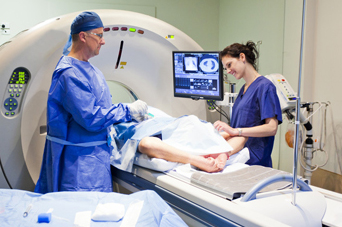
What are the dimensions of patient- and family-centered care (PFCC)? A 2015 article in Radio Graphics lists the features of a patient-centered model as follows:

  • Radiologists partner with patients and families to recognize and meet patients’ needs and preferences.
  • Providers respect patients’ values and preferences, focus on meeting their emotional and social needs, and involve them and their families in decision making.
  • Health care services are coordinated in a way that all members of the clinical care team have access to critical information, and clinical support services are designed to meet patients’ needs.
  • Health care providers treat patients with respect and communicate with them effectively, encouraging them to discuss psychosocial issues and providing information and counseling.
  • Patients’ are encouraged to ask questions and provided with information they need to make informed health care decisions; this promotes an open doctor-patient relationship in which patients take greater responsibility for their own health.
  • Adequate measures are taken to minimize pain caused by the illness and a physical environment is created to promote healing and well-being.

Let’s see how these conditions come into play in radiology and how providers can develop radiology-specific processes that cater to patients’ needs and preferences.

  • Effective communication: The Radiological Society of North America (RSNA) first recognized the need to promote patient-centered radiology in 2005. However, a 2015 survey revealed a breach between what radiologists considered important and what they actually practiced. Though 71 percent of respondents agreed it was important to be available to patients for questions immediately post-exam, only 49 percent reported their practice often made arrangements to do so.Technologists play a central role in the radiology department and need to communicate effectively with patients when taking histories, verifying patients’ identity and the procedure to be performed, and screening for safety. They also have to makes sure that patients understand all instructions, answer questions promptly and accurately, and explain post-exam care. Therefore, improving technologists’ communication skills is critical to promoting patient satisfaction and safety.
  • Customized imaging: A recent article in Radiology Business stresses the importance of personalizing patients and their images. This is important not only from the patient’s viewpoint but also to help radiologists avoid burnout and improve care. Radiologists need to approach each patient’s case empathetically by personalizing images. This will keep the patient at the center of care.
  • Empower radiology staff: A 2017 article in Radiology Business stresses that easing the pressure on the radiology team is important to enhance the patient’s overall experience. Imaging technologists guide patients and their families through stressful situations. If they are preoccupied by the complexity of image acquisition, under pressure due to an excessive workload, or distracted by reporting tasks, the patient experience can suffer. Therefore, reducing technologists’ stress is necessary to help them do a better job of improving the patient’s overall experience within the imaging suite. The author recommends that the use of advanced technologies such as ‘smart’ clinical applications and intelligent software can make the technologist’s job easier and improve the patient experience.
  • Patient education: The Radiologic Society of North America (RSNA) and the American College of Radiology (ACR) sponsor the Radiology Info website which provides patients with information on procedures related to diagnostic imaging, interventional radiology, and radiation therapy. Patients can get information on the common uses of the procedures, how to prepare for them, and view images of the equipment used during various procedures. This helps patients prepare for their radiologic procedure ahead of time. Radiologists and radiology organizations have the responsibility to develop, update and maintain these patient education resources.
  • Radiologists Patient ExperienceWorkforce diversification and education: Radiology has a shortage of minority and female physicians and this may be a cause of concern among patients and their families. In an article published in the Journal of the American College of Radiology, experts suggest that hospital departments and imaging centers should recruit a more diverse provider team. This could be an important step towards making it easier for patients and their families to identify with their providers. Additionally, experts recommend that for PFCC to become a part of radiology culture, radiologists should be educated on these principles early in their careers-if possible, during residency training.

  • Provide patient-friendly radiology reports: Medical transcription companies play a key role in helping providers prepare patient reports in Radiology Information Systems (RIS) and electronic health care records (EHR). With patients accessing their EHR via patient portals, there is the need for more user-friendly language when reporting results. Patient-friendly radiology reports will allow patients or their families to review their treatment options and be prepared with questions before they meet the oncologist. Some experts suggest that patients should have access to their EHR in the presence of a qualified care professional who can explain the findings in the report in a manner they can understand. This will also help avert patient distress.

In the 2015 RSNA survey, almost three-quarters of respondents cited time or workload as the barrier that most frequently prevented them from communicating directly with patients. This problem usually occurs when an increasing number of patients want to directly consult their radiologist. Radiology transcription outsourcing can help. With their documentation tasks handled by an efficient service provider, radiologist can focus on providing high-quality patient-centered care.

SAMHSA Releases Final Rule on Sharing Drug Abuse Treatment Records

Drug Abuse TreatmentAt times, patients as well as healthcare entities may have to share confidential health information, mainly related to mental health to enhance patient treatment or for reimbursement. The Health Insurance Portability and Accountability Act of 1996 (HIPAA) has developed regulations to protect the privacy and security of health information. Healthcare organizations must be compliant with HIPAA regulations and state privacy rules while sharing patient records as well as while outsourcing medical transcription tasks. With the rise in opioid crisis, the Office for Civil Rights has launched two new websites – one for patients and their families and another for providers to reorganize existing HIPAA provisions to make the guidance more user-friendly. These sites clarify the circumstances under which HIPAA allows covered entities to disclose information, especially that related to mental health and substance use disorders, to family and caregivers.

On January 3, 2018, The Substance Abuse and Mental Health Services Administration (SAMHSA), part of the U.S. Department of Health and Human Services (HHS) released the final rule on how patient records related to substance use disorders should be used. The rule that goes into effect on February 2, 2018, makes changes to the regulations on 42 CFR Part 2 that aims at supporting payment and healthcare operations activities while protecting the confidentiality of patients.

In January 2017, SAMHSA updated these Part 2 rules which provided greater flexibility in disclosing patient identifying information within the healthcare system while continuing to address the need to protect the confidentiality of substance use disorder patient records.

Under Part 2 written in 1975, a federally assisted substance use disorder program may only release patient identifying information with the individual’s written consent, pursuant to a court order, or under a few limited exceptions. However, the latest rule will permit healthcare providers to more easily conduct activities such as quality improvement, claims management, patient safety training, and program integrity efforts with the patients’ consent.

SAMHSA’s steps to modernize Part 2 include:

  • An option for an abbreviated re-disclosure prohibition notice in recognition of electronic medical record (EMR) character limitations
  • Lawful holders of Part 2 data may disclose data to contractors, subcontractors and legal representatives for payment and healthcare operations-related purposes without specific consent
  • Government entities funding Part 2 programs may have access to program information as necessary to conduct audits and evaluations without patient consent, and similarly may share Part 2 information with contractors, subcontractors and legal representatives for audit and evaluation purposes

Final Rule on Sharing Drug Abuse Treatment RecordsWith its updates to the 42 CFR Part 2 rules, SAMHSA aims at increasing opportunities for individuals with substance use disorders to participate in new and emerging health IT, facilitating data sharing within the healthcare system to support new models of integrated healthcare, improving patient safety while maintaining or strengthening privacy protections for individuals seeking treatment for substance use disorders and decreasing burdens associated with several aspects of the rule, including consent requirements.

Though SAMHSA has attempted to align this final rule with HIPAA based on the proposed revisions in the supplemental notice of proposed rulemaking (SNPRM) and the public comments received, this part 2 provides more stringent federal protections than most other health privacy laws, including HIPAA.

Several comments submitted for SNPRM claim that aligning part 2 with HIPAA could allow complete patient record sharing between providers, facilitate interoperability, improve compliance, and enhance privacy protections by making confidentiality restrictions more uniform across healthcare settings, promote innovative models of healthcare delivery, establish uniform, workable regulations with respect to treatment, payment and operations, improve patient care, and reduce stigma and potential harm to patients. Physicians specialized in psychiatry or behavioral medicine relying on medical transcription companies to document clinical notes, consultation notes, psychiatric evaluations, referral letters or discharge summaries must make sure that the company they partner with is experienced in providing HIPAA-compliant solutions.

Flu among Older Adults is Under-diagnosed, says VUSM Study

Flu DiagnosisAs a responsible medical transcription company, we are conscious about the importance of ensuring accurate and timely healthcare documentation in the event of a public health crisis such as the ongoing flu season. The flu season is on a rampage in the U.S. New York Times reports that the 2018 flu season is worse than any since the 2009 swine flu pandemic. Flu affects all age group though the risks are greater for children and older adults. What makes things worse is that it is very difficult to differentiate the flu from other infections on the basis of symptoms alone. This can have serious implications, especially for older adults. In fact, a new study has found that physicians are less likely to order an influenza diagnostic test for adults aged 65 years or older with influenza-like illness (ILI) during the winter months than younger adults. The findings were published online January 18 in the Journal of the American Geriatrics Society.

The study from the Department of Medicine at Vanderbilt University School of Medicine (VUSM) in Nashville, Tennessee, points to the need to overcome the challenges associated with diagnosing influenza in the vulnerable older population. These findings have great relevance in the present context as reports indicate that this year’s flu season has hit older adults hard. The Association of Health Care Journalists cites a Chinook (Washington) Times report which noted that those over age 65 are dying from flu and pneumonia at a rate nearly six times higher than usual.

Accurate and timely diagnosis is critical for appropriate treatment of patients with respiratory illness. Early diagnosis of influenza will allow antiviral therapy to be initiated as early as possible for suspected or confirmed influenza. Influenza-like illness (ILI) is also known as acute respiratory infection (ARI) and flu-like syndrome/symptoms including fever, cough, and/or sore throat. However, it is difficult to diagnose influenza on the basis of such signs and symptoms alone as the symptoms from illness caused by other pathogens are similar to those of influenza.

Complications related to influenza will vary based on age, immune status, and underlying medical conditions. Flu complications include worsening of underlying chronic medical conditions such as congestive cardiac failure, worsening of asthma, chronic obstructive pulmonary disease, lower respiratory tract disease, invasive bacterial co-infection; cardiac musculoskeletal, neurologic conditions, and multi-organ failure.

As human immune defenses become weaker with age, adults 65 years and older are at greater risk of serious complications from the flu. Studies have found that in recent years, for example, between 71 percent and 85 percent of deaths during the flu season occurred in people 65 years and older and that people in this age group accounted for 54-70 of seasonal flu-related hospitalizations.

Tests used to diagnose influenza include reverse transcriptase polymerase chain reaction (RT-PCR) to detect viral RNA, rapid antigen detection, and viral culture. Timely testing and accurate diagnosis of flu is crucial for administering antiviral treatment to diminish patient suffering and limit the spread of the infection.

The VUSM researchers examined influenza testing in more than 1422 patients hospitalized with respiratory illness or a non-localizing fever in Tennessee during the flu season between November 2006 and April 2012. The study was based on a prospective, laboratory-based surveillance approach, including data from patient questionnaires and charts.

The researchers conducted RT-PCR influenza testing for all the patients, even if their physicians had not ordered that or other tests to confirm influenza. The team then compared the demographic and clinical characteristics of patients for whom testing with those of patients for did not undergo laboratory-based diagnostic tests.

The study found that:

  • Only 28% were tested for the flu by their providers
  • Adults aged 65 and older were tested less often than younger patients
  • Of the 10% who were flu positive by the study’s RT-PCR testing, less than half had a flu test ordered
  • Those with heart and lung disease were less likely to be tested as their symptoms were atypical and not similar to typical flu symptoms

These results show that adults aged 65 and older are more vulnerable that other age groups. With high incidence of chronic conditions, older patients are at higher risk for influenza-related morbidity and mortality.

Flu Diagnosis among Older Adults is Under-diagnosedThe researchers advise that, “Further strategies are needed to increase clinician understanding of the challenges in clinically identifying influenza in older adults, as well as the limitations of diagnostic tests, to better diagnose and treat cases of influenza in this vulnerable population”. They stress that their findings are a reminder that physicians “need to be vigilant about diagnosing flu so that we don’t miss the opportunity for early treatment”.

The influenza division of the Centers for Disease Control and Prevention (CDC) estimates that the current flu hospitalization rate, which is a predictor of the death rate, is on track to equal or exceed that of the 2014-2015 flu season. The CDC is still urging people to get vaccinated to lessen the likelihood of infection and spread.

The nasal spray flu vaccine is not recommended for use in any population for the 2016-17 season and the CDC cautions that people 65 years of age and older should not get the nasal spray flu vaccine, intradermal flu shot or jet injector flu vaccine. The two vaccines designed specifically for people 65 and older are: the high dose vaccine and the adjuvanted flu vaccine, Fluad. As people 65 and older have a greater chance of getting serious flu complications, they should be treated using antiviral drugs as early as possible. Starting treatment within the first 2 days of illness provides the greatest benefits.

Needless to say, the current flu season has created a crisis situation in primary care practices, urgent care clinics, and hospitals. Outsourcing medical transcription can help physicians and nurses manage their electronic health record (EHR) documentation challenges as they cope with the pressure of treating critically ill patients.

How EHR Documentation Best Practices improve Patient Engagement in Plastic Surgery

EHR DocumentationToday, all medical specialty groups including plastic surgeons have progressed significantly in implementing electronic health records (EHRs). EHR adoption is critical not only from the reimbursement point of view but also as a cost and time saving strategy as paper records are costly and cumbersome to manage. Adherence to EHR documentation best practices is critical for plastic surgeons to improve access to patient information, and enhance patient engagement and retention. Medical transcription companies specialized in plastic surgery transcription can provide affordable EHR-integrated documentation solutions to help surgeons manage, retrieve, and store patient charts easily.

According to an abstract published last September in PRS Global Open, the International Open Access Journal of the American Society of Plastic Surgeons (ASPS), EHR functionality specific to plastic surgery practices include ease of uploading and annotating pictures, management of inventory, documentation of skincare needs and purchase history, and amalgamation with practice management software for medical billing. Other functionality requirements include patient engagement and availability of pertinent patient education materials.

An article in The Aesthetic Channel lists the features of an ideal EHR for plastic surgery practices as follows:

  • Plastic surgery specific EHR system: The EHR system would be specifically designed for this specialty. An ideal system would allow plastic surgeons to manage patient schedules, price quotes, lead tracking, quick charting, lab procedures, procedural notes, patient education and billing. It should also enable the practice to upload scanned documents and photos to patients’ online charts.
  • EHR with comprehensive features: A specialty-specific, single vendor EHR package with comprehensive features offers many benefits. It will allow the plastic surgeon to manage patient documentation, practice management, appointment reminders, inventory management, ePrescribing, insurance billing and patient portal. Feature-rich software will improve interoperability of data, reduce duplicate entries, save time, reduce stress, and improve administrative workflows.
  • Cloud-based software: Modern cloud-based programs offer an affordable way to store and manage medical records. They are a secure, cost-effective option for small practices. A HIPAA-compliant medical transcription company using a secure VPN into the practice EHR or has secure log in credentials if the EHR system is cloud hosted, can ensure secure remote documentation of the plastic surgeon’s notes. On the cloud server, patient files are secure and encrypted and geographically separated data backup is performed automatically. This prevents patient data exposure due to offsite backups or stolen computers and ensures data recovery if a local or regional disaster happens to occur.

While EHRs are transforming the face of plastic surgery, good documentation practices are necessary for tracking patient procedures, educating patients and directly providing them with information, and promoting patient engagement. Documentation errors and critical mistakes can adversely impact patient safety, affect accuracy of coding and billing, lead to HIPAA violations, and increase risk of medico-legal issues. Only an experienced medical transcription company can ensure accurate and timely EHR documentation.

Plastic surgery has its own terminology and language. Trained medical transcriptionists are well versed in these aspects, including types of procedures, surgical incisions and sutures, techniques, patient positioning, and laboratory tests. They can provide error-free reports pertaining to a wide variety or procedures, from chemical peels and dermabrasion to breast augmentation, liposuction, abdominoplasty, blepharoplasty, rhinoplasty, facelifts, reconstructive procedures, and more. By transcribing crucial notes and reports accurately, medical transcriptionists help plastic surgeons provide top quality care.

Plastic Surgery EHR DocumentationEHRs allow accurate, efficient tracking of patient data. Better access to accurate patient data via EHRs benefits both patients and plastic surgeons. Efficient EHR-integrated plastic surgery transcription service offers:

  • Availability of accurate information at the patient’s appointment
  • More time for the patient and less time on EHR data entry and looking up files
  • Accurate and readily available data on current medications, medical conditions and patient blood type on the screen
  • Quick access to information during office visits to present patients with plastic surgery options to meet their aesthetic goals
  • Reduces risk of missing essential elements in patient medical history
  • Improved coordination of patient care

EHRs allow plastic surgeons to send out reminders and improve patient attendance at appointments. By helping the surgeon track patients effectively, digital records also improve patient adherence to maintenance treatments, while improving recovery and reducing the risk of post-surgical complications.

Plastic surgery EHRs also improve patient engagement by allowing patients to participate more effectively in the plastic surgery decision-making process. Armed with information about the different procedures, they can ask questions and schedule appointments at convenient times. Thus, with a well-designed EHR and reliable medical transcription services, plastic surgeons can improve the patient experience, increase patient engagement, grow their practice and boost revenue.

How Patients and Physicians can Optimize the Office Visit

Optimize Office VisitMany physicians rely on medical transcription companies to ease EHR data entry and outsource their medical billing to manage their revenue cycle. However, with heavy patient loads, time management continues to be a problem especially when it comes to the office visit. One way physicians can deal with this is to set the agenda for the office visit by getting patients on the same page and establishing a mutually agreed-upon approach to the encounter. Physicians can help patients make the most of their face-to-face visit by encouraging them to adopt the following strategies:

  • Prepare an agenda: To make the most of their time with their physician, new patients should come prepared with a detailed history of their problem and questions about it, notes, comprehensive medication history, and medical records, including X-rays or MRIs. Patients can also bring along results of any home testing done, such as temperature, blood sugar, or blood pressure levels. They should inform the physician about their daily living habits (eating, drinking, exercise, smoking, and sleeping), as well as any recent lifestyle changes. Patients should never hold back any information. As the author of a recent article in the Philadelphia Tribune points out, conversation with the patient, a detailed examination, careful evaluation of all the information and deductive reason is necessary to arrive at a diagnosis.
  • Send records in advance of the appointment: Patients seeing the doctor for the first time can send records or tests ahead of time. This is especially useful in the case of specialists in another hospital as they may not have access to the patient’s medical record. Examining the actual test results will allow the physician to interpret the studies personally. Patients should forward the records in a manner that suits the physician.
  • Write out a list questions in order of importance: Physicians should advise patients to develop and prioritize questions to ask at the consult. The time with the physician can be very short. Making a list questions before the consult will help patient stay focused and also get answers to their questions. If the patient lets the doctor know about the questions in advance, it will be easier for the physician to answer them. The main medical concern should be discussed first and questions should be asked one at a time. Patients can also take notes on what their physician tells them.
  • Bring medications: In a Wall Street Journal article, a physician recommends that patients bring along their medications including herbal and over-the-counter medicines that another physician prescribed. This is important for patients seeing more than one specialist. He recommends bringing the actual bottle with the original labels so that potential mistakes by the pharmacy can be ruled out. If they take many pills, it is advisable to carry a list. This will also help the doctor understand dosages, frequency and need for refills.
  • Be prepared to answer the physician’s questions: New patients should be prepared to answer questions about their past and present illnesses, the treatment received, hospitalizations, allergies, as well as family history-including how old relatives were when they were diagnosed for a condition such as diabetes. Established patients should describe their problems, symptoms, and current need, and if in pain, be able to rate it on a scale of 1 to 10.
  • Understand diagnosis and treatment plan: Experts suggest that the patient asks the physician how certain he/she is about the diagnosis and also about other possibilities. It’s important for the patient to know if the condition is temporary or chronic, if it’s contagious and its heritability, that is, if there’s a genetic factor that could affect their family. Patients should understand the treatment plan and how it can address their problem, when results can be expected, and side effects to watch out for. They should understand the importance of prescribed tests and how to prepare for them. This will allow them to consider the pros and cons and take an informed decision.
  • Bring a caregiver or friend along: Bringing along a trusted friend/caregiver to an appointment is a good idea for patients who are too ill to ask questions or focus on what the physician says.

On their part, physicians should hone their communication skills to provide patient-centered care. The key features of patient-centered care communication are:Improve Patient Care

  • obtaining the patient’s agenda with open-ended questions
  • not interrupting the patient
  • focused active listening
  • Understanding the patient’s perspective of the illness, and showing empathy

A 2016 Medscape article notes that physicians can improve the patient experience by:

  • Starting on time by preparing the examination room in advance
  • Working with the patient scheduler and the clinical team to adjust time allocated for visits to meet patient needs
  • Setting up protocols to minimize interruptions
  • Establishing a plan to deal with messages
  • Optimizing their EHR system

Experts also recommend hiring a scribe. Getting support from scribes and experienced medical transcription service companies is a great option to handle EHR data entry.

The above strategies can make the office visit less challenging for both the patient and the physician and improve patient care and satisfaction.

UCSF Uses EHR data to Track Common Hospital-Acquired Infection

Hospital-Acquired InfectionThe data in electronic health records (EHRs), which physicians, scribes, and medical transcription companies provide, include all the important aspects relevant to a person’s care under a particular provider such as demographics, progress notes, problems, medications, vital signs, past medical history, immunizations, laboratory data and radiology reports. A health informatics team at UC San Francisco (UCSF) recently used this data to identify the source of Clostridium difficile or C. diff., a common hospital-acquired infection. The researchers tracked the EHRs of more than 85,000 patients between 2013 and 2016 to trace the movements of the C. diff. bacterium. The results of the study were published in JAMA Internal Medicine in October 2017.

The Centers for Disease Control and Prevention (CDC) currently identifies C. difficile as “the most common microbial cause of healthcare-associated infections in U.S. hospitals and costs up to $4.8 billion each year.” In 2013, the CDC classified the threat level of C. difficile as urgent, putting the bacterium among the top 3 of 18 drug-resistant microbes, at a much higher level than tuberculosis and methicillin-resistant staphylococcus aureus (MRSA). This bacterium can cause severe diarrhea, colitis, toxic megacolon, organ failure, and death.According to a recent report in Medical News Today, those at the highest risk of C. difficile infection are those over 65s, especially people who are hospitalized and taking antibiotics.

Infections are considered hospital-acquired if they first appear 48 hours or more after hospital admission or within 30 days after discharge. Premature babies, young children, the elderly, the severely ill, and those with chronic conditions or undergoing treatments that undermine the immune system are at higher risk of hospital acquired infections. While not all hospital-acquired infections can be prevented, the vast majority of them can.

UCSF is committed to reducing rates of hospital-acquired infections. However, the source of C. diff is particularly challenging to track and identify due to the complex interactions and location changes that take place in hospitals. Hospitalized patients visit many procedural and diagnostic common areas, thereby increasing the chances of contact with contaminated surfaces. However, when the causes of disease transmission are evaluated, these potential exposures are usually not captured, the researchers noted.

EHR data includes time and location stamps that are entered whenever patients undergo radiological scans, operations and other procedures, or are moved to different parts of the hospital. The UCSF Health Informatics team used these time and location stamps in EHRs to track the movements of the C.diff bacterium. Patients who passed through a space while it was potentially contaminated were considered “exposed” to C. diff. They examined the experiences of the patients who visited the same locations within 24 hours of an infected patient, the period in which that location that the study considered as “potentially contaminated”. These patients were considered “exposed” to C. diff. The team mapped 435,000 patient location changes throughout the UCSF Medical Center at Parnassus over the three-year study period.

The team found that patients who were exposed to certain CT scanner in the Emergency Department (ED) were at a high risk of exposure-related infections:

  • Patients who entered that scanner within 24 hours after C. diff-positive patients were more than twice as likely to become infected with the bacterium themselves.
  • 4 percent of the patients who were considered exposed in the scanner developed C. diff within two months.
  • The overall rate of infection for patients who passed through the scanner was 1.6 percent.

According to the chief quality officer for UCSF Health and professor of medicine, at UCS, the study highlights the significance of leveraging EHRs to tackle a common health care problem. The research is unique in that it looked into not just disease transmission risks in the patient’s room or on the same hospital floor, but every location in the hospital that the patient goes. As the result of the findings, the hospital quickly took measures to standardize the cleaning practices for that scanner to match those used in other radiology suites. No other sites at the hospital raised concerns regarding C. diff transmission in the three years under review.Common Hospital-Acquired Infection

Studies such as these underline the importance of ensuring the reliability and integrity of EHR data. Medical practices of any size can use EHR data analytics:

  • To gain timely and accurate information needed to generate customized reports
  • To discover patterns and improve the level of healthcare they provide
  • Make better business decisions
  • Ensure compliance with industry regulations

To harness the power of big data and data analytics, providers need to ensure the accuracy and the completeness of the data in the patient’s health record. Medical transcription outsourcing is a reliable strategy when it comes to managing EHR data entry with timely and accurate capture of patient information which can lead to better decisions on patient care as well as financial aspects.

How to Enhance Medication Adherence and Improve Patient Outcomes

Medication AdherenceMedication adherence is crucial to properly manage symptoms, reduce adverse reactions, and improve quality of life. Medical transcription services are available to help physicians manage diagnoses, lab reports, visit notes, and medication directions in electronic health records (EHRs). However, today, medication non-adherence has become a pressing concern.

In September 2016, the Centers for Disease Control and Prevention (CDC) reported that one in four Medicare participants age 65 or older-up to 5 million people-do not take their blood pressure medicine as directed. According to the CDC, 20 to 30 percent of prescriptions for chronic health conditions are never filled, and about half are not taken as prescribed.

In addition to having a negative impact on the patient’s health and well-being, non-adherence is also associated with significant increase in total health care costs. A recently published catalyst.nejm.org article reports that medication non-adherence is associated with over $300 billion of avoidable health care costs in the U.S, accounting for 10 percent of societal costs. The report notes that about 50 percent of patients with chronic diseases do not take their medication as prescribed. Let’s look at the causes of medication non-adherence and expert views on how health care professionals can engage patients to take their prescribed medications.

Why don’t patients follow their physician’s instructions on medications? There are many reasons for this:

  • patient’s social and economic status or education level
  • failure to pick up a medication at the pharmacy
  • factors related to the characteristics of the disease
  • unpleasant side effects
  • complexity and duration of treatment
  • failure to understand instructions
  • forgetting medication instructions
  • poor provider communication
  • frequency of expected intake
  • complexity of treatment
  • severity of the disease
  • patient depression or stress
  • physical or financial obstacles to drug access

A Medscape article reports that studies show that the risks of non-adherence are higher when people have to take medications over long periods and are less likely to be adherent when the daily doses increase from one to four pills. That is sometimes, patients just get tired of taking pills!

How can medication adherence be improved? Let’s see what the experts have to say.

Predictive Analytics and Integrated Data Systems

The catalyst.nejm.org report discusses the role of predictive analysis, electronic medical records data and patient reported outcomes (PROs) in improving medication adherence. According to the report, solutions need to focus on patient education on medication goals, reason for prescribing the medication, administration of medication, and alerting the patient about potential problems or side effects that should be expected.

Mobile Medication Management

The latest solution is mobile medication management, one that is critical for physicians’ practices in 2018, according to a www.hitconsultant.net article. Mobile medication management allows physicians and prescribers interact with patients more easily and speed up charting and documentation of patient interactions, whether in or out of the office.

To harness the power of mobile technology, physicians need ready access to tools for e-prescribing, electronic prescribing of controlled substances (EPCS), prescription drug monitoring programs (PDMPs), medication history, clinical trial adjudication, secure collaboration, price transparency, financial assistance, medication adherence monitoring and patient-validated medication history. Mobile medication management enables providers to submit prescription orders conveniently as they are visiting with patients, thereby improving prescription accuracy. Mobile medication management can improve patient outcomes, safety, and loyalty, enhance physician productivity and practice throughput, and also allow patients to access their records in the event of natural disasters.

Pharmacists and Medication Adherence

An analysis by Johns Hopkins Medicine showed that pharmacists play an integral role in improving medication adherence. Based on this analysis, a recent report in www.specialtypharmacytimes.com lists five simple strategies that pharmacists can use to promote adherence:

  • Encourage patients to only use one pharmacy: Pharmacists can mitigate adverse events by telling patients to use one pharmacy. Ensuring that all patient records are at a single location will help pharmacists mitigate adverse events, better track progress over time and help patients adhere to new therapeutic recommendations.
  • Advise patients on medication reminders: Patients can better organize medications with a pill box equipped with compartments for each day of the week. The visual schedule of the pill box will inform the patient instantly if they did not take their medication. Posting a reminder on the refrigerator is another good idea.
  • Help in medication synchronization: Specialty pharmacies can play an important role in counseling patients on managing medications and staying adherent. They can do this by discussing the option of early refills whenever possible.Enhance Medication Adherence
  • Recommend that patients keep a medication list: Pharmacists should advise patients to keep a medication list and give a copy to their physician. In the event of an emergency, providers can use this list to quickly determine potential side effects or interactions.
  • Review meds annually: Patients ask their pharmacy to review all their medications on an annual basis. This will ensure that patients are on the right track with their medicines and supplements.

A recent study showed that lowering medication costs could be the key to adherence. According to the research, patients are more likely to fill prescriptions when their drugs are less expensive, although they may still skip doses.

Medication information is one of the most important types of clinical data in electronic medical records (EMRs). EMR/EHR medical transcription outsourcing can ensure accurate documentation of all medications administered to patients. Medical transcription service companies enable physicians to maintain consistency in the EMR with up-to-date problem list of current and active diagnoses, active medications and allergy lists. By ensuring quality data, a reliable service provider helps health care professionals to deliver superior quality care, manage risks, and control costs.

How to Tackle Physician Burnout with a Team-based Care Approach

Physician BurnoutAs we move into 2018, burnout continues to be a burning topic in the medical community. The American Medical Association (AMA), other healthcare organizations, and US based medical transcription outsourcing companies are focused on reducing burnout among physicians while helping them improve patient care. According to a recently published AMA report, team-based care could be an effective solution for the underlying causes of physician burnout.

The article describes how the shift to a team-based model improved physician well-being at a Wisconsin primary care practice. “Team support has made practicing medicine fun again and much more fulfilling,” says the family physician.

The new model includes a core team of two medical assistants (MAs) or licensed practical nurses and one half nurse per physician, as well as an extended care team of case managers, diabetic educators, clinical pharmacists and RN care coordinators. The medical assistants serve as scribes, and handle electronic health-record documentation, entering pending orders, referrals and more.

The issue of physician burnout attained unprecedented proportions in 2017. According to one report that looked into a Medscape survey that rated severity of burnout by specialty, emergency medicine was the most affected. Up to 60 percent of ER physicians said they feel burned out.

In another report, a healthcare couple discussed the benefits of going part-time. Some of the reasons driving physicians reduce their work hours include stress, bureaucracy and the feeling of missing out on one’s personal life. On the other hand, making the switch to a lighter workload was not easy considering hurdles such as medical school debt, career goals and pressure from employers.

Winning the battle against physician burnout has become especially critical in the light of the findings of a new study published in Mayo Clinic Proceedings that quantified the potential impact of professional dissatisfaction on the physician workforce and patients access to care. The study, based on a nationwide survey of 7,000 physicians from all specialties, found that

  • One in five physicians intends to reduce clinical work hours in the next year (2018)
  • 6 percent of those looking to reduce work hours said the primary reason for doing so was to get more ‘family time’
  • 2 percent reported frustration with Medicare and insurance issues or dissatisfaction with the work environment as the main reason for cutting down time at work
  • Roughly one in 50 physicians plans to leave medicine for a different career in the next two years

The study estimates that nearly 4,800 physicians would leave the workforce if just 30 percent of physicians stick to their intention to leave medicine in the next two years.

Team-based care could be the panacea for physician stress. In fact, AMA reported last year that practices across US have been implementing team-based care models to optimize use of the skills and training of the care team and also streamline office procedures. The report explains the various elements of the team care model and how they are combined.

  • Pre-visit preparation: The first element of team-based care involves pre-visit activities. This involves ensuring that patients are prepared for the visit, The best approach is to plan for the next consult at the end of the present visit. Prior to the appointment, a nurse, medical assistant (MA) or other team member can be designated to complete the pre-visit planning activities two or three days before the visit. This would include:
    • Reviewing notes from the previous visit and ensuring follow-up results are available for physician review
    • Using a visit-prep checklist to identify any care gaps or upcoming preventive and chronic care needs
    • Checking if any other information such as hospital or emergency department notes is needed for the consult
    • Sending automated appointment reminders to patients
    • Ordering labs ahead of time so that the results will be available before the next appointment

    Team-based Care
    Team members collaborate at the beginning of each day to review the schedule and discuss items important to all team members.

  • The office visit: All members of the care team contribute to improving and streamlining the patient visit. The nurse or MA first updates the medical record and obtains an initial history. Next, the nurse, MA or documentation specialist helps the physician document the visit. At the end of the visit, the team member educates the patient on the plan of care and the importance of adherence. As the care team becomes more knowledgeable and involved in the treatment plan, they can coordinate care between visits more effectively and build closer ties with patients and their families.
    Practices can adopt various strategies to support this process such as expanding rooming and discharge protocols, implementing team documentation, and using annual visits to modify prescriptions. Each visit should end with planning for the next visit.

In addition to the care model approach, EHR-integrated medical transcription services continue to be an effective support strategy for family care practices. Trained and experienced medical transcriptionists can provide accurate and timely documentation support for not only family care but also all other specialties. New payment models encourage providers to optimize use of their manpower and resources while avoiding unnecessary services and costly errors. A team approach can promote more efficient use of resources, improve care, reduce physician stress and restore joy to the practice of medicine.

  • KEY FEATURES

    • 3 Levels of Quality Assurance
    • Accuracy Level of 99%
    • All Specialties Covered
    • Competitive Pricing
    • Digital Recorder Dictation
    • Electronic Signatures
    • Feeds for EHR or EPM
    • HIPAA Compliant Service
    • Quick Turnaround Time
    • Toll Free Phone Dictation
    • Transcription Management Software
    • Volume Rates Available
  • RECENT BLOGS

  • Categories

  • Quick Contact


    • Infographics