Maintaining healthcare environment cleanliness is vital for ensuring patient safety and promoting overall wellbeing. A hygienic healthcare setting prevents the spread of infections and also enhances patient trust and satisfaction. Just as high quality medical transcription services ensure clean, error-free medical data, maintaining a physically clean healthcare environment is crucial to prevent infections and deliver optimal patient care. Both aspects, data cleanliness and physical hygiene, work hand in hand to create a safe and efficient healthcare ecosystem that meets established healthcare cleaning standards.
The Importance of Healthcare Environment Cleanliness
The healthcare environment is inherently sensitive. Any form of contamination, whether physical or microbial, can put patients and staff at risk. The Centers for Disease Control and Prevention (CDC) estimates that nearly 100,000 people in the U.S. die each year due to hospital-acquired infections (HAIs). This alarming statistic underscores the critical importance of maintaining rigorous cleaning protocols and following hospital hygiene best practices in every corner of a healthcare facility — from waiting rooms to intensive care units.
A clean and organized environment contributes significantly to patient satisfaction. The comfort, confidence, and peace of mind that come from entering a spotless hospital or clinic cannot be underestimated. Cleanliness reflects the professionalism and dedication of the healthcare organization toward patient care.
Best Practices for Healthcare Hygiene
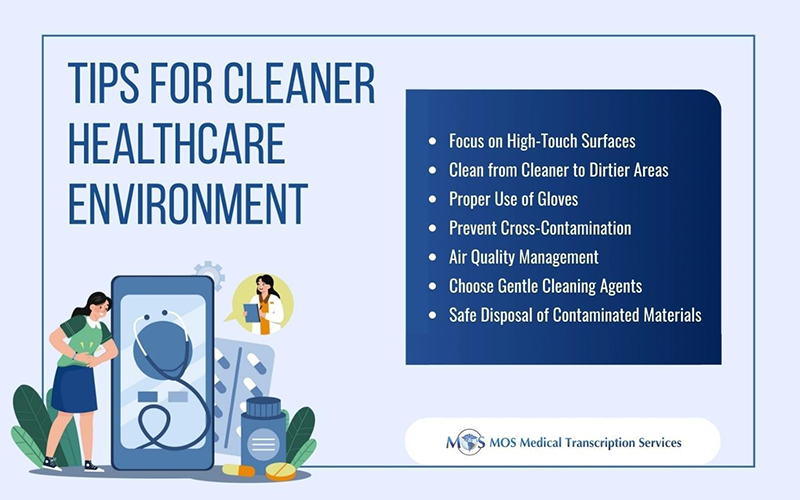
To ensure consistent and effective healthcare environment cleanliness, hospitals and clinics should adhere to established cleaning standards and procedures. Here are some essential practices:
- Focus on High-Touch Surfaces
Surfaces such as doorknobs, bed rails, telephones, and remote controls are hotspots for harmful bacteria. Cleaning these high-touch points frequently with approved disinfectants can significantly reduce the risk of cross-contamination.
- Clean from Cleaner to Dirtier Areas
One common mistake in cleaning procedures is starting with the dirtiest areas, like restrooms, before cleaning patient rooms. This practice can spread contaminants. Instead, cleaning staff should begin with the rooms of healthier patients and progress toward areas with higher contamination risks.
- Proper Use of Gloves
Improper glove use is a frequent source of bacterial transmission. Different gloves should be designated for different cleaning tasks. Gloves must be changed between patient rooms, and cleaning staff should always wash their hands after removing them.
- Prevent Cross-Contamination
Mops, cloths, and other cleaning tools can harbor and spread bacteria if not handled properly. Modern cleaning technologies, such as spray-vacuum systems and touch-free disinfection devices, help minimize contamination and ensure thorough cleaning while strengthening overall cross-contamination control measures.
- Air Quality Management
Airborne bacteria and particles can compromise the cleanliness of healthcare spaces. To prevent this, cleaning staff should carefully handle linens and waste materials, ensuring trash bags are sealed without releasing contaminated air. Adequate ventilation and regular air filter maintenance also play a vital role here.
- Choose Gentle Cleaning Agents
Cleaning solutions should be effective yet non-irritating. Harsh chemicals can harm patients with respiratory sensitivities or skin conditions. Opt for eco-friendly or hospital-grade disinfectants that maintain hygiene without introducing toxic residues.
- Safe Disposal of Contaminated Materials
Proper disposal of soiled linens, biological materials, and cleaning fluids is essential. Waste management protocols must be followed to prevent recontamination and ensure compliance with healthcare regulations.
Daily Cleaning Checklist for Healthcare Settings
Here are the key areas administrators should focus on to ensure a safe and efficient healthcare environment:
- Safety: Safety is critical in a healthcare set up. There are various measures to promote employee and patient safety. For example, staff should be provided with comfortable attire and shoes so that they can work for longer hours without any discomfort. The shoes should provide protection from slips and falls, and from sharp objects. Make sure that the exam rooms and waiting rooms do not have sharp edges or objects that could harm patients. Have a clear and open space for walking freely between rooms.
- Records management: Ensure that all your files are well organized and that you have easy access to the medical records of your patients. Advanced technology like ERP software allows you to provide information faster and also helps your employees work more efficiently.
- Separate areas for patients: When entering a medical facility, multiple patients are often seen occupying the same space, which is a dangerous practice. A good way to avoid the spread of a virus or airborne disease is to keep sick patients separate from those who have just come for a regular check-up or for a follow-up visit.
- Qualified and experienced staff: To ensure efficient patient care, it is important to have skilled doctors and nurses. Due to the high demand for doctors and nurses, there are chances of higher turnover rates. One way to reduce the turnover rate in your practice is to keep your employees happy by offering a good salary, proper treatment of personnel on the job, and benefits that extend beyond what they would find elsewhere. However, make sure to employ skilled and experienced nurses and doctors for optimal results.
AI-Integrated Medical Transcription and Its Role in a Clean Healthcare Environment
Cleanliness isn’t just about physical hygiene, it extends to data integrity and workflow management. AI-integrated medical transcription services play a pivotal role in maintaining an organized, paper-free healthcare environment. By converting physician dictations into accurate digital records, these services reduce the need for physical paperwork and storage, minimizing clutter and contamination risks associated with printed documents.
Moreover, AI-driven transcription solutions can automatically integrate data into Electronic Medical Records (EMR) systems, ensuring instant access and easy retrieval of patient information. This streamlined process eliminates manual errors, enhances administrative efficiency, and supports a cleaner, more sustainable workplace.
When combined with reliable cleaning practices, AI medical transcription contributes to a holistic form of healthcare cleanliness, where both the environment and the data are pristine and secure.
Maintaining healthcare environment cleanliness requires a comprehensive strategy that combines human diligence, modern technology, and digital accuracy. From disinfecting high-touch surfaces to adopting AI-integrated medical transcription services, every detail contributes to a safer and more efficient healthcare system. Clean surroundings inspire trust, reduce infection risks, and promote patient wellbeing — the ultimate goal of every healthcare organization.