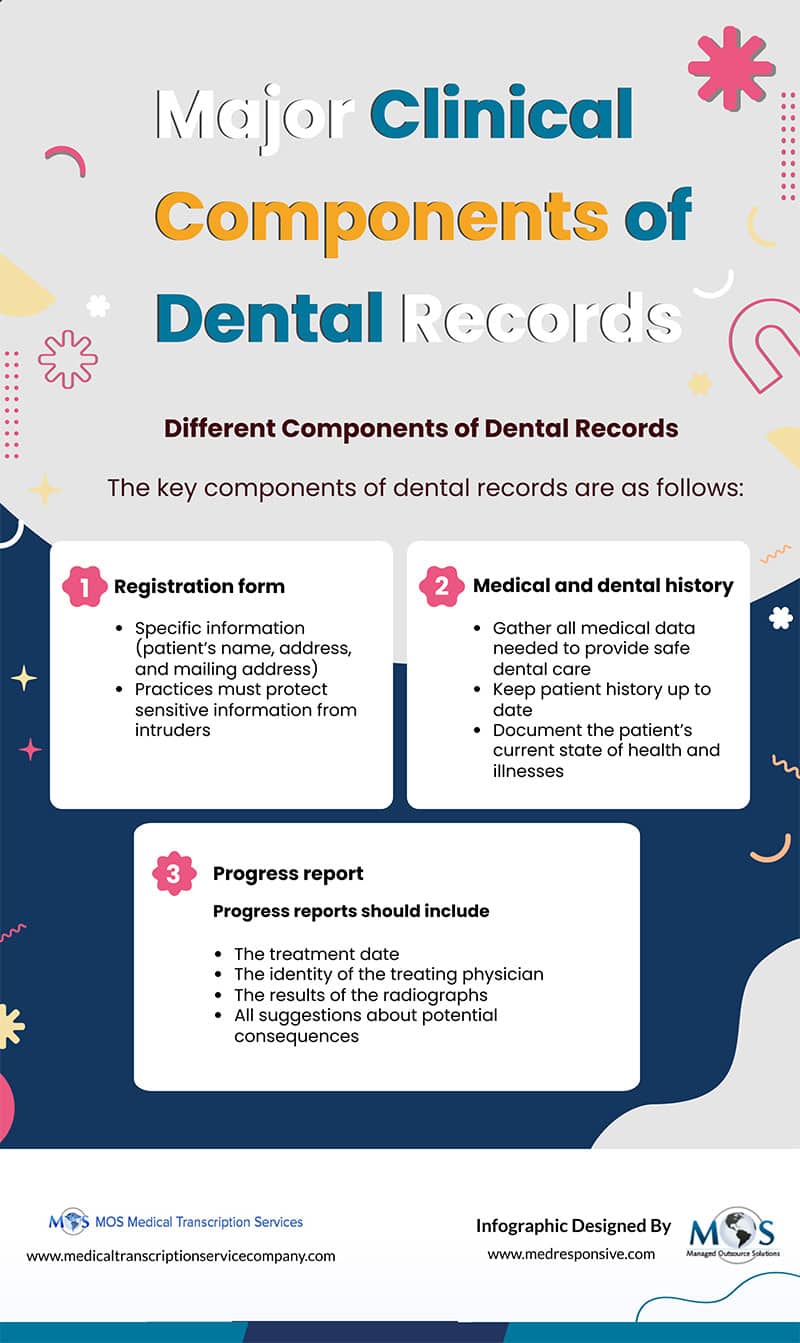
A busy dental clinic rarely slows down. One patient needs a filling, another a crown. Between procedures, dentists must record every detail, including tooth numbers, surfaces, materials, and follow-ups. This process often becomes time-consuming and error-prone.
This is where medical transcription for dentists makes a difference. Dentists can dictate notes instead of typing and save valuable time.
Today, AI-powered solutions make this even faster. They convert speech into structured records within minutes and maintain consistency. Combined with expert human review, medical transcription services ensure dental records remain accurate, clear, and reliable.
Why Dentists Need Medical Transcription Services
Dentists manage detailed records every day. These records support patient care, billing, and compliance. Medical transcription helps keep this process simple and accurate.
- Improves Patient Care and Coordination
Dental teams rely on accurate records during treatment. Nurses and assistants check notes for symptoms, warnings, and next steps. Reliable documentation helps them act quickly and avoid mistakes.
- Saves Time and Reduces Workload
Dentists often spend long hours typing reports. This reduces time for patient care. Transcription allows dentists to dictate notes and move efficiently from one patient to the next, improving productivity.
- Ensures Accurate Documentation
Dental procedures include specific details like tooth numbers and surfaces. Even small errors can create confusion. Transcription captures these details clearly and keeps records consistent.
- Supports Billing and Insurance Claims
Billing teams depend on complete and clear documentation. Missing or unclear information can delay payments. Accurate transcription helps ensure smooth and faster claim approvals.
- Helps Meet Legal and Compliance Needs
Maintaining accurate patient records is often a legal requirement. Clear documentation protects dentists during audits or disputes. Transcription helps create well-structured and reliable records.
These five benefits show how transcription supports both clinical and administrative tasks. It helps dentists save time, improve accuracy, and focus more on patient care.
Benefits of Dental Medical Transcription for Clinics
As patient volumes rise, documentation may slow down workflows and affect efficiency. Transcription helps reduce this burden and keeps records organized.
For example, in a crown procedure, the preparation and placement happen across visits. Notes must align clearly. Accurate transcription ensures smooth continuity and avoids confusion.
Here’s how it benefits clinics:
- Better workflow efficiency
Dentists dictate notes instead of typing. This keeps appointments on schedule and reduces delays.
- Improved dental documentation accuracy
Each detail, like tooth number and surface, stays precise. This reduces errors in treatment records.
- Accurate billing support
Clear and complete notes help billing teams process claims faster and avoid denials.
- Improved team coordination
Assistants and hygienists can review structured records and prepare for procedures easily.
- Quick access to patient history
Dentists can review past treatments during visits and make faster decisions.
These benefits show how dental transcription supports both clinical care and daily operations. It helps clinics stay efficient while maintaining accurate and reliable records.
How AI Helps Dental Transcription
AI has changed how dental transcription works. Dentists can dictate notes after each procedure. AI converts speech into structured text within minutes. This makes medical transcription for dentists faster and more efficient.
For example, after a scaling procedure, a dentist may dictate gum condition and bleeding points. AI captures this input and organizes it into a clear, readable format. This removes the need for manual typing.
- Makes documentation faster and simpler
AI converts dictated notes into structured records within minutes. This reduces manual typing and helps dentists focus more on patient care.
- Handles large volumes efficiently
AI processes multiple records without delay. Notes are ready quickly, even during busy clinic hours.
- Keeps workflow smooth
Dentists do not need to revisit documentation later. This helps maintain a steady and efficient workflow.
- Ensures consistent and structured records
AI organizes notes in a clear format. This makes records easy to read and use during patient visits.
- Supports better team coordination
Staff can review clear records and understand treatment plans without confusion.
- Improves quality and accuracy
AI captures key details like tooth numbers, surfaces, and procedures consistently. This strengthens dental documentation accuracy and reduces errors over time.
- Works best with human review
Experts ensure context, clarity, and accuracy in final records. Together, AI and human input improve efficiency and maintain high-quality documentation.
Importance of Human Touch in Transcription
AI works fast, but it may miss context. Dental notes typically include subtle differences.
For example, “temporary crown” and “permanent crown” change treatment steps. AI may confuse such terms in fast dictation. A trained expert can correct this.
Human review ensures:
- Context clarity
- Error correction
- Accurate terminology
- Quality assurance
This human layer strengthens clinical transcription services. It ensures records are reliable for treatment and audits.
Accurate documentation is essential for every dental practice. It supports patient care, smooth workflows, and timely billing. AI has made transcription faster and more efficient, but human expertise ensures clarity and accuracy in every record. By combining both, medical transcription services help dentists reduce workload and maintain high-quality documentation.
Choosing reliable dental transcription services enables clinics to stay organized, improve efficiency, and focus more on delivering better patient care.
FAQs
- Is dental transcription suitable for small clinics?
Yes, it reduces documentation time and helps maintain clear patient records without adding extra staff workload.
- How secure is dental transcription data?
Reputable providers follow strict data security standards. They use encryption and secure systems to protect patient information at every stage.
- Can dental transcription handle different accents and speaking styles?
Yes, AI tools can process various accents, and human reviewers ensure accuracy. This combination helps maintain clear and reliable records.
- How quickly are reports delivered?
Turnaround time is usually fast. AI processes notes within minutes, and final reviewed reports are delivered shortly after.
- Can transcription services integrate with dental software systems?
Yes, most services integrate with existing dental software and EHR systems. This makes it easy to update and access patient records without disruption.