Running a dental practice means juggling a lot at once-treating patients, managing appointments, handling staff, and making sure every detail is recorded accurately. But let’s be honest, keeping up with documentation after a long day can feel overwhelming. That’s where medical transcription services assist dentists by converting dictated notes into clear, structured patient records. With transcriptionists experienced in dental terminology, every diagnosis, treatment, and follow-up detail is captured quickly and accurately, allowing you to focus on delivering the best care. Outsourcing transcription offers a smarter, more efficient way to manage your practice and improve workflow, while keeping your records professional and compliant.
The Importance of Accurate Medical Transcription for Dentists
Accurate medical records are the foundation of every successful dental practice. These records include a patient’s medical and dental history, treatment plans, progress notes, prescriptions, and post-treatment outcomes. For dentists, these records are more than just documentation, they serve as a roadmap for patient care.
Comprehensive records enable dentists to track oral health over time, detect emerging issues, and make informed decisions regarding future treatments. They also play a key role in ensuring legal protection, streamlining insurance claims, and maintaining transparency in communication with patients.
For instance, when a patient visits for a follow-up appointment, having detailed and up-to-date records ensures that the dentist can easily review past treatments and recommend the best course of action. Without accurate records, there’s a higher risk of misdiagnosis, repeated procedures, and reduced continuity of care. This highlights the growing importance of effective patient record management in dentistry for long-term clinical success.
Challenges Dentists Face in Record-Keeping
Maintaining accurate records is not easy in a busy dental environment. Several challenges make performing documentation in-house a time-consuming and complex task:
- Complex Dental Terminology – Dentistry involves specialized terms, codes, and abbreviations that must be accurately transcribed. Errors or inconsistencies can lead to miscommunication or billing issues.
- Limited Time for Documentation – Between patient appointments, administrative tasks, and treatment procedures, dentists often struggle to find time for detailed record-keeping.
- Regulatory Compliance – Dental practices must adhere to strict data privacy and security standards, including HIPAA compliance. Inadequate documentation can lead to compliance breaches or legal complications.
- Technological Barriers – Managing and updating digital records through electronic health systems requires both accuracy and speed, which can be difficult without proper transcription support.
These challenges highlight the need for specialized support systems like professional transcription services that streamline record creation and ensure accuracy. Many practices now opt to outsource transcription to reduce administrative stress while maintaining precision and compliance.
The Role of Medical Transcriptionists in Dentistry
Medical transcriptionists are trained professionals who convert dictated notes and recordings from dentists into accurate written reports. They understand medical and dental terminology, ensuring every treatment note, diagnosis, and observation is documented correctly.
In dental practices, transcriptionists handle a wide range of documents, such as:
- Patient history reports
- Periodontal and orthodontic notes
- Radiology reports
- Surgical and post-operative summaries
- Referral letters and insurance documents
Their expertise ensures that no critical information is missed, helping dentists maintain comprehensive, consistent, and legible patient records. This specialized dental transcription support enhances both practice productivity and patient care quality.
Key Benefits of Medical Transcription Services for Dentists
- Improved Documentation Accuracy
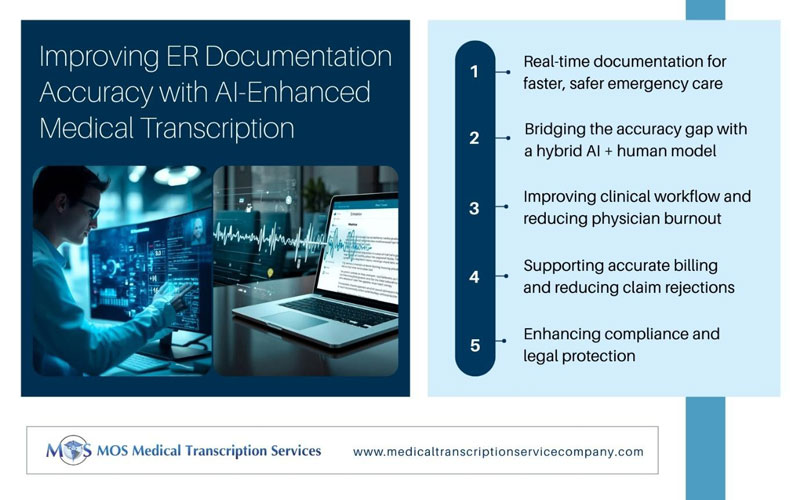
Medical transcription services guarantee detailed and precise documentation, which minimizes errors in treatment notes and ensures all critical patient information is properly recorded.
- Time Efficiency and Reduced Workload
By outsourcing transcription tasks, dentists can dedicate more time to patient care rather than administrative duties. This improves productivity and reduces stress related to record-keeping.
- HIPAA-Compliant Data Handling
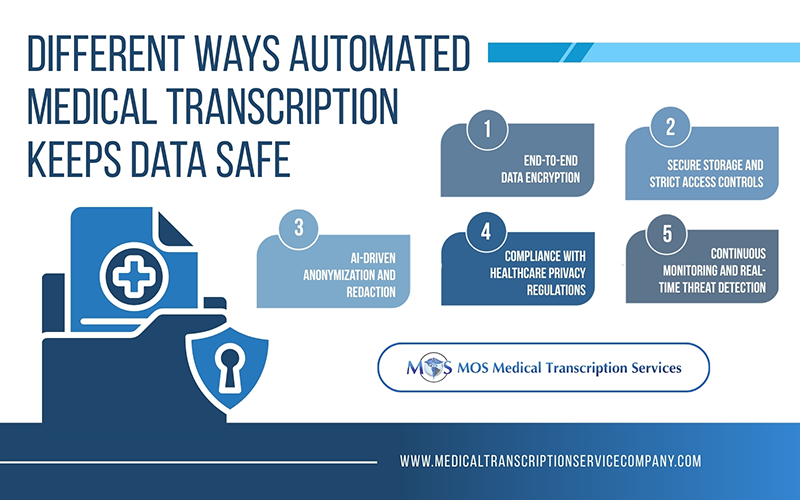
Transcription providers follow strict security protocols to maintain confidentiality and ensure compliance with healthcare privacy laws, protecting sensitive patient data.
- Fast Turnaround and Accessibility
Quick turnaround times mean that dentists have access to updated patient records whenever needed, which supports timely decision-making and enhances clinical efficiency.
- Integration with Dental Practice Software
Many transcription services are compatible with electronic dental record (EDR) systems, allowing seamless integration and easy access to digitized documentation.
- Cost–Effective Solution
Outsourcing transcription is often more economical than hiring in-house staff, helping dental practices reduce overhead costs without compromising quality.
How Accurate Transcription Enhances Patient Care
When dental records are transcribed accurately, patient care significantly improves. Clear and consistent documentation helps dentists monitor long-term oral health trends, plan treatments based on complete information, and collaborate effectively with other healthcare professionals.
Accurate transcription also reduces the risk of miscommunication between dental teams, hygienists, and specialists. It ensures that every member of the care team has access to the same, updated information, leading to better coordination and improved patient outcomes.
Moreover, detailed transcription supports preventive dentistry. By keeping comprehensive notes on previous diagnoses, medications, and responses to treatment, dentists can identify early signs of potential issues and provide timely interventions.
Integration with Electronic Health Records (EHRs)
The integration of transcription into EHRs has transformed dental documentation. Transcribed reports are now seamlessly uploaded into EHR systems, ensuring that data is centralized, searchable, and easily accessible during patient visits.
This digital transformation eliminates the errors that often accompany handwritten notes, such as misinterpretation or illegibility. It also enhances collaboration between different healthcare providers, essential for patients who may require interdisciplinary care involving oral surgeons, orthodontists, or general physicians.
Ultimately, the combination of medical transcription and EHR integration enhances efficiency, ensures data accuracy, and improves the overall quality of patient care.
Efficient Clinical Documentation improves Dental Practice Workflow
Efficient documentation leads to smoother workflows and better time management within a dental practice. When transcription is handled by experts, dentists can streamline administrative operations, reduce backlogs, and focus more on patient interactions.
In addition, having organized and updated patient records simplifies communication with insurance companies and ensures faster processing of claims. With fewer errors in documentation, practices can also minimize the risk of claim rejections and audits. Thus, professional transcription support not only enhances the quality of documentation but also contributes to overall operational efficiency.
For today’s dental professionals, maintaining accurate and organized records doesn’t have to be a challenge. Affordable transcription services for dental clinics simplify documentation, improve compliance, and support better patient care by reducing dentists’ administrative burdens. Whether it’s tracking treatment progress, preparing detailed reports, or integrating with digital health systems, medical transcription services for dentists ensure precision, elevated the quality of care, and helps build a smoother, smarter dental practice.